National Coffee Cake Day
April 7, 2026

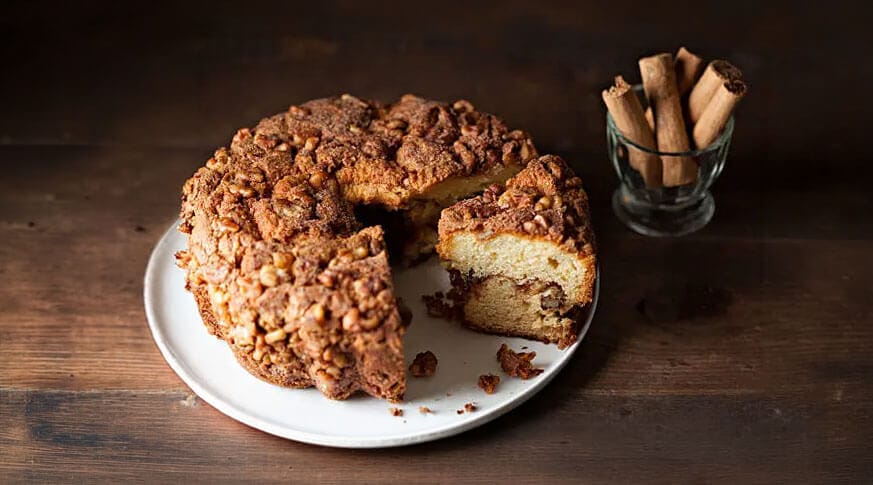
National Coffee Cake Day, observed annually on April 7th throughout the United States, celebrates the sweet, crumbly cake specifically designed to accompany coffee rather than contain coffee as ingredient, honoring a breakfast and snack tradition that combines simple cake bases with streusel toppings, fruit fillings, and glazes perfect for morning gatherings or afternoon breaks. This food holiday recognizes a cake category that occupies unique position between elaborate desserts and simple quick breads, suitable for casual entertaining without requiring professional baking skills or expensive ingredients. Unlike celebrations focused on layer cakes or frosted confections, National Coffee Cake Day honors unpretentious baked goods that prioritize ease and approachability over showmanship. The observance falls within the broader category of baked goods holidays that celebrate specific preparations and their roles in American food culture. The timing on April 7th coincides with National Beer Day, creating interesting pairing of morning cake and evening beverage on single calendar date. Whether featuring cinnamon streusel, fruit fillings, nuts, or simple glazes, coffee cakes represent comfort baking traditions that sustained communities through generations of breakfast gatherings, coffee klatches, and welcoming neighbors with homemade treats that required minimal fuss but delivered maximum hospitality.
Coffee cake traditions trace to Northern and Central European baking customs where sweet yeasted breads and cakes were served with coffee during afternoon gatherings. German kaffeekuchen, Dutch koffiekoek, and Scandinavian coffee breads established patterns of moderately sweet baked goods designed to complement coffee’s bitter flavors without overwhelming palates or requiring elaborate preparation. These European traditions emphasized yeasted doughs enriched with butter, eggs, and sometimes sour cream, creating tender crumbs suitable for dunking in coffee.
European immigrants brought these coffee cake traditions to America in the 19th century, where they evolved to incorporate American ingredients and preferences. The shift from yeasted doughs to quicker chemical leavening using baking powder and baking soda made coffee cakes faster and easier to prepare, aligning with American emphasis on convenience and efficiency. This technical evolution transformed coffee cake from occasional special preparation requiring rising time and skilled handling into everyday possibility achievable in morning hours before guests arrived.
The development of streusel toppings, featuring butter, flour, sugar, and often cinnamon or nuts combined into crumbly mixture, became defining characteristic of American coffee cakes. While European breads featured various toppings and fillings, the American streusel tradition created distinctive texture contrast between tender cake and crunchy topping that defined the category. Regional variations developed including sour cream coffee cakes, fruit-filled versions, and chocolate or almond flavored options, but streusel-topped cinnamon cakes emerged as iconic American coffee cake archetype.
The coffee klatch culture of mid-20th century America elevated coffee cake from simple baked good to social institution. Suburban women hosted morning coffee gatherings for neighbors, club meetings, and social visits where coffee cake served as centerpiece of modest hospitality that demonstrated homemaking skills without ostentation. These gatherings created demand for reliable, crowd-pleasing recipes that home bakers could execute consistently, driving coffee cake recipe standardization and popularization through community cookbooks and women’s magazines.
National Coffee Cake Day’s specific establishment date and founding organization remain unclear, following patterns of many contemporary food holidays that emerge through grassroots enthusiasm rather than formal initiatives. The observance likely gained recognition in the early 21st century as food bloggers and baking enthusiasts sought to celebrate overlooked classics. The April 7th date appears arbitrary beyond coincidental pairing with National Beer Day, with no apparent connection to baking history or significant coffee cake milestones.
The convenience baking revolution of the 1950s and 1960s transformed coffee cake preparation through packaged mixes and ready-made dough products. Companies like Duncan Hines and Pillsbury introduced coffee cake mixes requiring only addition of water or eggs, further simplifying preparation and standardizing results. Refrigerated dough products enabled even less experienced bakers to produce acceptable coffee cakes with minimal effort. While purists criticized these convenience products for inferior flavor and texture compared to scratch baking, they democratized coffee cake access and maintained the tradition among households lacking time or confidence for from-scratch preparation.
The 1980s and 1990s brought renewed interest in scratch baking as food culture shifted toward valuing authenticity and traditional skills. Cooking shows, food magazines, and cookbook authors championed from-scratch coffee cakes using quality ingredients and proper technique, positioning convenience mixes as inferior shortcuts for special occasions warranting better treatment. This artisan baking movement encouraged home bakers to reclaim traditional recipes and techniques their grandmothers knew but that convenience culture had displaced.
The specialty coffee movement that accelerated in the 2000s created interesting parallel development to craft baking renaissance. As Americans developed sophisticated coffee palates appreciating single-origin beans and precise brewing methods, interest grew in baked goods worthy of accompanying quality coffee. Artisan bakeries began producing elevated coffee cakes featuring premium ingredients like Madagascar vanilla, European butter, and seasonal fruits, repositioning coffee cake from everyday staple to special indulgence.
Social media’s influence on food culture in the 2010s brought visual focus to coffee cakes through Instagram-worthy presentations emphasizing photogenic streusel, artistic glaze drizzles, and abundant fruit toppings. Food bloggers shared recipes with step-by-step photography that demystified techniques and encouraged home baking attempts. This digital infrastructure built communities around coffee cake enthusiasm that transcended geographic boundaries while sharing regional variations and family recipes.
National Coffee Cake Day matters because it celebrates accessible baking that builds confidence and skills without intimidating novices with excessive difficulty or expense. Coffee cakes forgive minor technique flaws, require no special equipment, and use pantry staple ingredients available in any grocery store. This accessibility makes coffee cake ideal entry point for developing bakers who might feel overwhelmed by elaborate layer cakes or finicky pastries. The observance encourages baking attempts that build competence transferable to other preparations while delivering satisfying results even from imperfect execution.
The holiday preserves intergenerational knowledge transmission as families share coffee cake recipes passed through generations. Many people possess handwritten recipe cards in grandmothers’ handwriting for coffee cakes that marked countless family gatherings. National Coffee Cake Day provides occasions to retrieve these recipes, bake them with younger family members, and continue traditions that connect contemporary bakers to family history. These baking sessions create opportunities for storytelling about family members, historical context, and the occasions when particular coffee cakes were served, maintaining family narratives alongside culinary techniques.
From a social perspective, National Coffee Cake Day celebrates hospitality traditions around welcoming neighbors, hosting casual gatherings, and creating community through food sharing. The coffee klatch culture that elevated coffee cake represented important social infrastructure for suburban women whose domestic responsibilities isolated them without workplace colleagues or extended family nearby. These gatherings provided emotional support, friendship networks, and community connection that modern social media and digital communication imperfectly replicate. The observance acknowledges these social functions while encouraging contemporary versions adapted to current lifestyles and social patterns.
The celebration also addresses food waste through creative use of slightly overripe fruit, leftover sour cream or yogurt, and pantry odds and ends that might otherwise be discarded. Coffee cake recipes accommodate ingredient substitutions and variations more readily than precise pastries, making them excellent vehicles for using what’s available rather than requiring specific products. This resourcefulness models sustainable cooking practices while demonstrating that excellent results don’t require perfect ingredient lists or rigid adherence to recipes.
National Coffee Cake Day matters economically by supporting small bakeries that maintain traditional coffee cake preparation alongside trendier products. Local bakeries producing quality coffee cakes anchor communities, employ neighbors, and keep profits circulating locally rather than flowing to distant corporations. These businesses preserve baking expertise and traditional recipes that mass production would eliminate in favor of standardized industrial formulations prioritizing shelf stability over flavor and texture. By encouraging both home baking and support for quality bakeries, National Coffee Cake Day advocates for food culture valuing craftsmanship, tradition, and community connection over pure convenience, demonstrating that even simple morning cakes carry significance beyond basic sustenance when they facilitate gathering, preserve heritage, and express care through homemade hospitality.

