National Crunchy Taco Day
March 21, 2029

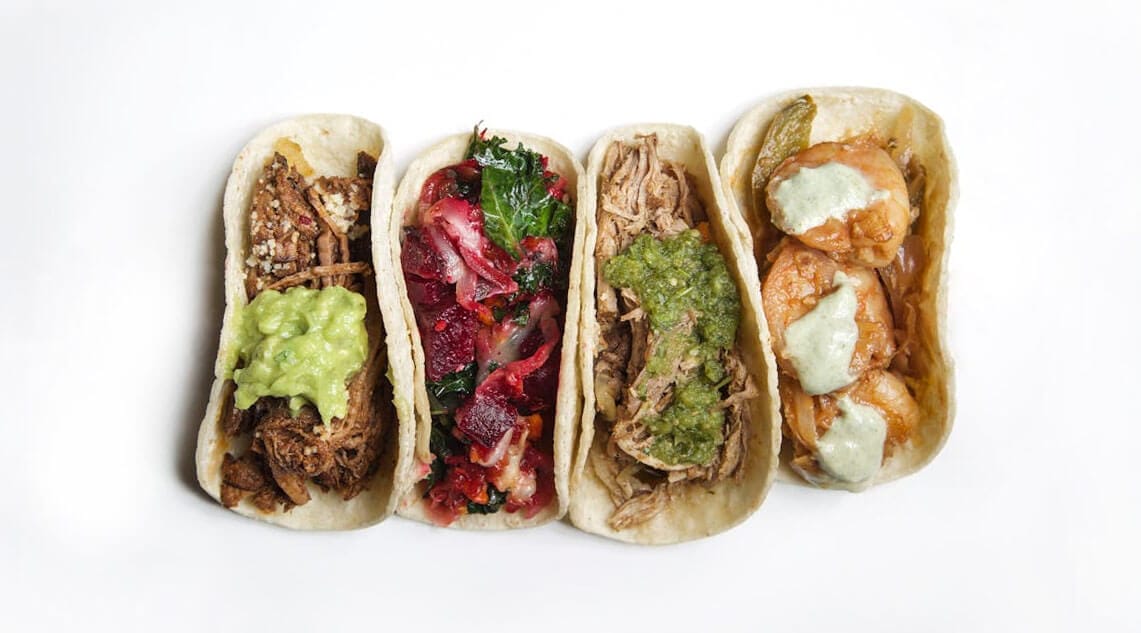
National Crunchy Taco Day celebrates a specific and highly recognizable variation of the taco: the crisp folded shell filled with seasoned ingredients, lettuce, cheese, and sauces. National Crunchy Taco Day highlights not only a popular food item, but also a story of adaptation, migration, and the transformation of a traditional format into a mass-market icon of Mexican-American cuisine.
The deeper history begins with corn. Long before the crunchy taco shell existed as a commercial product, Indigenous civilizations in Mesoamerica domesticated maize and developed nixtamalization, the process that transforms corn into masa. This technique was revolutionary because it improved both flavor and nutrition while creating dough suitable for tortillas.
The tortilla is the true ancestral structure behind the taco. Traditional tacos rely on soft tortillas that can be folded around meats, beans, vegetables, or seafood. The taco’s earliest logic was practical and portable: a hand-held meal built from staple grain and filling, easy to eat and easy to vary by region.
The crunchy shell is a later development. It emerged more clearly in the United States through Mexican-American restaurant culture, where frying tortillas into rigid U-shapes created a product that could be pre-formed, filled easily, and marketed with visual consistency. That consistency mattered in commercial settings.
The ingredient microhistory most important to National Crunchy Taco Day is the tortilla itself, and more specifically the transformation from soft masa-based tortilla to fried shell. Frying changes the taco from a flexible wrapper into a structural vessel. That single shift dramatically alters texture, shelf life, and commercial potential.
National Crunchy Taco Day therefore marks more than a fun food holiday. It marks the evolution of a deeply rooted corn-based tradition into a modern, industrially scalable format that helped tacos spread even more broadly through American food culture.
National Crunchy Taco Day highlights the cultural distinction between tacos as traditional foods and crunchy tacos as a specific Mexican-American adaptation. This distinction matters because authenticity arguments often flatten the story. Crunchy tacos are not fake tacos. They are a real regional adaptation shaped by restaurant efficiency, consumer preference, and the economics of scale.
Agriculturally, the taco is rooted in corn, livestock, produce, and chile systems. Corn remains the foundational crop because tortillas, whether soft or fried, depend on masa traditions tied to Mesoamerican agriculture. Beef, chicken, pork, cheese, lettuce, and tomatoes reflect the wider agricultural blending that shaped taco fillings in the United States.
Technological inflection points made the crunchy taco especially scalable. Once taco shells could be manufactured in advance, boxed, shipped, and sold in supermarkets, the taco moved beyond restaurant culture and into home preparation at national scale. This is a major reason the crunchy taco became so visible in the United States.
Sensory anthropology explains the format’s popularity. The crunchy shell provides immediate textural drama. There is snap, then collapse, then the contrast of warm filling and cool toppings. The crunchy taco feels engineered for sensory impact in a way that differs from the softer, more seamless eating experience of traditional street tacos.
Regional comparisons matter here. In Mexico, tacos remain highly regional, with tortilla style, meat cut, salsa profile, and garnishes varying by place. In the United States, the crunchy taco became a kind of standardized taco shorthand. National Crunchy Taco Day reflects that specific shorthand, not the totality of taco culture.
A misconception worth correcting is that crunchy tacos are the original form of tacos. They are not. Another misconception is that they should be dismissed because they are adapted. Food history is full of adapted forms. National Crunchy Taco Day is stronger when it acknowledges both roots and reinvention honestly.
Ancient Mesoamerican agricultural systems established maize as a foundational crop and developed nixtamalization, making tortilla production possible. This is the deepest structural origin behind all taco forms.
Over centuries, soft tortilla-based tacos became embedded in regional Mexican food cultures, adapting to local meats, seafood, vegetables, and chile traditions. The taco format remained flexible, portable, and regionally specific.
In the nineteenth and early twentieth centuries, Mexican migration carried taco traditions into the United States, where they entered urban food markets and restaurant settings. Tacos became more visible outside Mexico through these community networks.
By the mid twentieth century, fried taco shells gained traction in Mexican-American restaurant culture. Their rigid form allowed easier handling, visual consistency, and compatibility with assembly-line service models.
Mass production of packaged taco shells in the later twentieth century moved the crunchy taco into grocery stores and home kitchens. This was the major commercial turning point that made the crunchy taco nationally familiar.
Fast-food expansion further standardized the crunchy taco, turning it into a recognizable category for millions of consumers who may have had little exposure to regional taco diversity.
Today, the crunchy taco exists alongside soft tacos, street tacos, and countless hybrid forms. National Crunchy Taco Day reflects one branch of a much larger and older taco tradition.
National Crunchy Taco Day matters today because it offers a useful example of how migration and commerce reshape food. The crunchy taco is not ancient, but it is meaningful. It shows how a traditional structure can be reformulated for convenience, retail sale, and broad consumer familiarity without losing its connection to earlier foodways.
The holiday also matters because tacos remain one of the clearest examples of agricultural layering. Corn, meat, dairy, lettuce, tomato, and chile each carry different production systems, and the crunchy taco brings them together in a compact, highly legible form. That makes it a useful food for understanding culinary hybridity.
Sensory appeal remains central to the crunchy taco’s endurance. The shell’s fragility, the contrast between warm and cool components, and the quick burst of fat, salt, and acidity create an immediate eating experience that is difficult to confuse with other hand-held foods.
National Crunchy Taco Day also creates space to correct simplified narratives. It can acknowledge that tacos did not begin as crunchy shells while still affirming that the crunchy taco has become part of a legitimate Mexican-American culinary story. Those two truths are not in conflict.
Economically, the crunchy taco remains important because it is highly scalable. It works in fast food, frozen meal kits, home dinners, and party platters. That flexibility helps explain why it persists even as food trends change and “authenticity” debates come and go.
National Crunchy Taco Day matters because it honors a food that sits at the intersection of Indigenous corn traditions, immigrant adaptation, and industrial food marketing. It is a simple shell with a surprisingly complex history.
