National Daisy Day
January 28, 2026

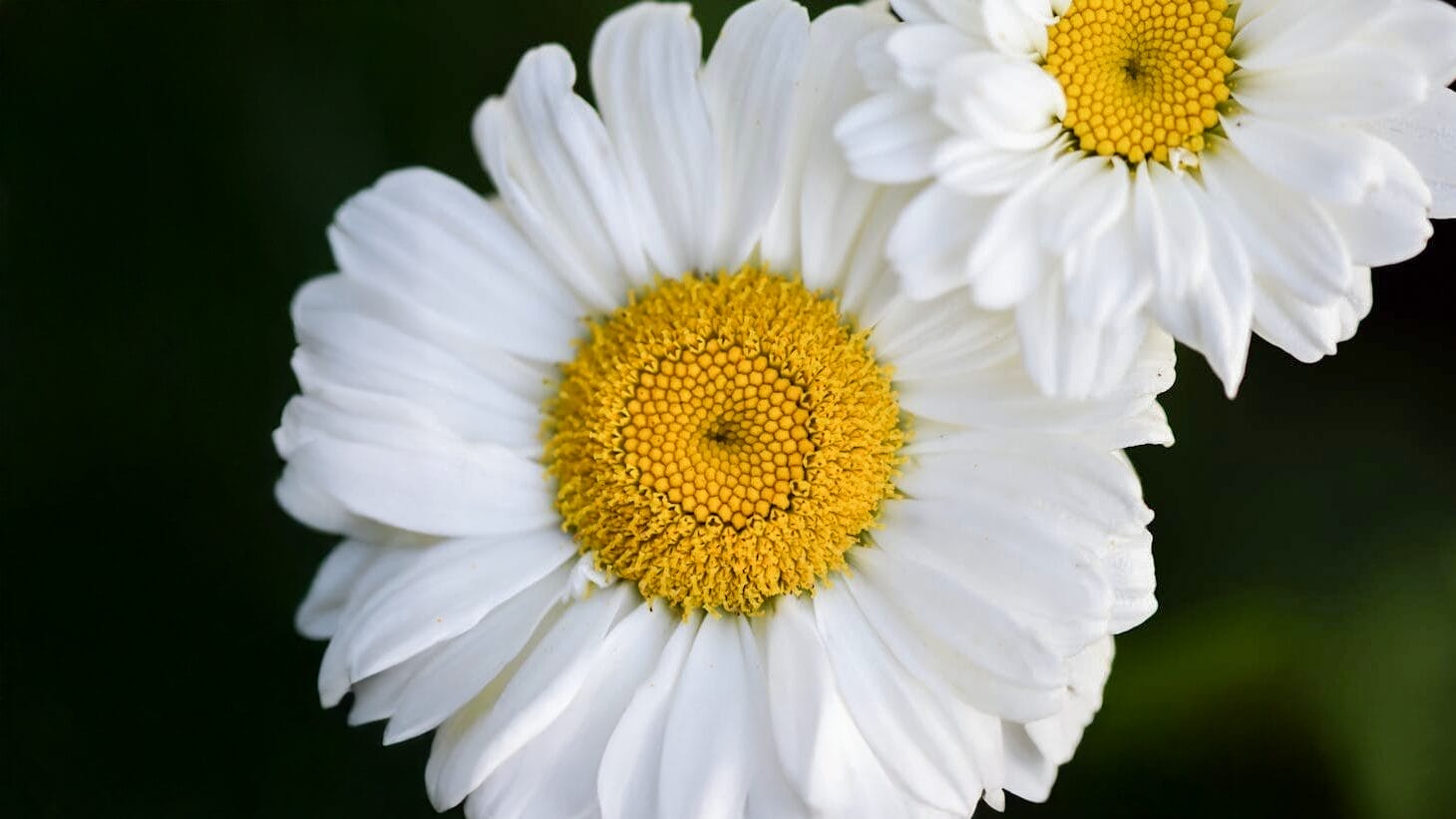
National Daisy Day is observed annually on January 28 and celebrates the daisy as a botanical symbol with deep historical and cultural roots. The observance does not originate from a single proclamation or institution, but rather from longstanding recognition of the daisy’s prominence in art, folklore, and everyday life.
Daisies belong to one of the largest plant families in the world and have appeared in human records for centuries. Their name is commonly linked to the Old English phrase meaning “day’s eye,” a reference to the flower’s tendency to open in the morning and close at night. This daily rhythm contributed to early symbolic associations with renewal and constancy.
Throughout European history, daisies were woven into agricultural lore, medicinal traditions, and seasonal observances. They were valued not for rarity, but for reliability, thriving in diverse environments and reappearing year after year.
National Daisy Day reflects this long familiarity, recognizing a flower that has remained present across centuries without requiring reinvention.
Daisies have carried varied symbolic meanings across cultures, often representing innocence, clarity, and resilience. Their simple structure and bright appearance made them accessible symbols in poetry, visual art, and domestic decoration.
Unlike ornamental flowers cultivated primarily for prestige, daisies have often been associated with everyday landscapes. They appear in fields, gardens, and roadside spaces, reinforcing their connection to common experience rather than exclusivity.
The daisy’s symbolism also reflects endurance. Its ability to grow in modest conditions has made it a quiet emblem of persistence and adaptability.
National Daisy Day emphasizes how cultural meaning can arise from repetition and presence rather than spectacle.
National Daisy Day remains relevant because it draws attention to ordinary beauty in a culture often focused on novelty and excess. The observance encourages appreciation of familiar elements that shape daily environments.
The day also supports broader awareness of plant life and ecological balance. Common species like daisies contribute to pollination and biodiversity, even when they are not formally protected or celebrated.
National Daisy Day offers a moment to reflect on continuity, reminding people that some aspects of nature endure through simplicity rather than change.
The observance matters because it affirms that significance does not require rarity, and that lasting presence can carry its own form of meaning.