National Deep Dish Pizza Day
March 28, 2026

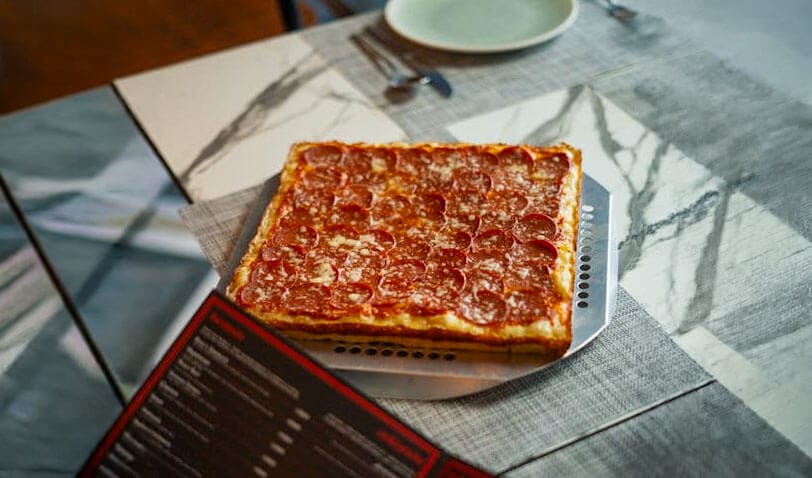
National Deep Dish Pizza Day, observed annually on April 5th throughout the United States, celebrates Chicago’s most iconic culinary contribution and a pizza style that sparked decades of passionate debate about what constitutes authentic pizza. This food holiday honors deep dish pizza’s distinctive construction with thick, buttery crust lining a deep pan, layers of cheese directly on dough, toppings piled high, and chunky tomato sauce spread on top in reversal of traditional pizza architecture. Unlike celebrations of Italian pizza or New York-style thin crust, National Deep Dish Pizza Day specifically recognizes this American innovation that transformed pizza from flatbread into substantial casserole-like dish requiring forks and generating fierce regional loyalties. The timing in early April positions the observance during spring when pizza consumption traditionally increases, though deep dish pizza’s hearty character suits any season. This celebration falls within the broader category of regional American food observances that honor local culinary traditions and the immigrant influences that shaped them. Whether enjoyed at legendary Chicago pizzerias like Pizzeria Uno, Lou Malnati’s, or Gino’s East, or attempted by ambitious home cooks wielding cast iron pans, deep dish pizza represents American food innovation’s willingness to radically reimagine traditional dishes while creating new traditions that inspire fierce devotion and equally fierce criticism from pizza purists who reject the entire concept.
Deep dish pizza’s creation story centers on Pizzeria Uno in Chicago, where Ike Sewell and Ric Riccardo opened their restaurant in 1943 with ambitions to create pizza that could serve as full meal rather than snack. The standard thin-crust pizzas common in Italian-American communities provided satisfying quick bites but lacked the substance Sewell envisioned for a sit-down restaurant centerpiece. Working with chef Rudy Malnati, the team developed a dramatically different pizza style utilizing deep round pans similar to cake pans, creating vessel for substantially more toppings than thin crusts could support. The innovation required complete rethinking of pizza construction to prevent soggy crusts under heavy toppings.
The solution involved inverting traditional pizza architecture. Instead of sauce, then cheese, then toppings, deep dish pizza placed cheese directly on dough to create barrier preventing moisture from toppings and sauce from making the crust soggy. Toppings went next, piled high without restraint typical of thin-crust pizzas where too many toppings caused structural failure. Chunky, uncooked tomato sauce spread on top provided final layer, its position allowing moisture to cook off rather than steam the crust. This construction required longer baking times at lower temperatures than thin pizzas, typically 30 to 45 minutes at 425°F compared to thin pizzas’ 12 to 15 minutes at higher heat. The result resembled savory pie more than traditional pizza, earning deep dish the occasional disparaging label “pizza casserole” from critics.
The crust itself represented crucial innovation distinguishing deep dish from other pizza styles. Traditional pizza dough uses relatively lean formulas with flour, water, yeast, salt, and modest olive oil. Deep dish crust incorporated significantly more fat, often butter rather than olive oil, creating dough more similar to pie crust in richness and texture. Some recipes added cornmeal for subtle sweetness and textural interest. The dough was pressed up the pan sides rather than remaining flat, creating tall edges that contained generous fillings. When properly executed, the crust emerged golden and crispy on outside while remaining tender within, providing structural support and flavor contribution beyond mere vehicle for toppings.
Other Chicago pizzerias quickly adopted and adapted the deep dish concept, creating variations that sparked fierce loyalties among Chicago residents. Lou Malnati, son of the original Pizzeria Uno chef, opened his own restaurant in 1971 emphasizing his father’s original recipe with buttery crust and distinctive chunky tomato sauce. Gino’s East, founded in 1966, developed loyal following for its cornmeal crust and wall-covered-with-graffiti atmosphere. Pequod’s Pizza created “caramelized crust” deep dish where cheese extends to pan edges and caramelizes during baking. These variations demonstrate how basic deep dish concept allows creative interpretation while maintaining fundamental construction principles.
National Deep Dish Pizza Day emerged organically within the landscape of food-specific observances proliferating in late 20th and early 21st century America. While exact origins remain unclear, the holiday likely developed through combination of Chicago restaurant marketing, pizza enthusiast communities, and social media promotion celebrating regional food pride. The selection of April 5th appears arbitrary, following patterns where dates are claimed without particular historical significance. The observance now provides annual opportunity to celebrate Chicago’s signature pizza style while inevitably reigniting debates about whether deep dish qualifies as legitimate pizza.
The 1970s and 1980s saw deep dish pizza spread beyond Chicago as transplanted Chicagoans opened restaurants in other cities and chains like Pizzeria Uno began national expansion. This geographic spread introduced deep dish to broader American audiences while creating opportunities for comparison with regional pizza styles from New York’s foldable slices to California’s innovative toppings. The exposure generated both converts who embraced deep dish’s substantial character and critics who considered it excessive departure from pizza’s essential nature. These debates played out in newspapers, magazines, and eventually online forums as partisans defended their preferred styles with passionate intensity.
Television and media attention amplified deep dish pizza’s profile beginning in the 1990s as food programming increased and regional specialties became content focus. Shows like “The Best Thing I Ever Ate” and “Man v. Food” featured Chicago deep dish prominently, often framing it as extreme eating challenge given the portions’ size and richness. This coverage positioned deep dish as destination food worthy of pilgrimage, contributing to food tourism focused on trying iconic regional dishes. Chicago tourism boards and restaurants capitalized on this attention, marketing deep dish as essential Chicago experience alongside architecture tours and sports teams.
The 2010s brought intensified pizza debates as social media enabled instant global conversations and provocateurs like Jon Stewart used platforms to attack deep dish pizza as “casserole” unworthy of pizza designation. Chicago defenders responded with equal passion, creating viral moments that generated enormous publicity for all parties while entrenching positions on both sides. These manufactured controversies served marketing purposes for restaurants and media personalities while revealing how food preferences can become identity markers and regional pride expressions. National Deep Dish Pizza Day exists within these debates, simultaneously celebrating deep dish and acknowledging the controversy surrounding it.
Contemporary Chicago pizzerias have adapted deep dish for health-conscious and dietary-restricted consumers while maintaining traditional options. Some restaurants offer whole wheat crusts, vegetables-only versions, or smaller individual portions addressing concerns about deep dish’s caloric density. Others have added stuffed pizza variations where additional dough layer sits between cheese and sauce, creating even more substantial preparations. These innovations demonstrate deep dish’s continuing evolution while the original Pizzeria Uno recipe maintains devoted following, illustrating how culinary traditions simultaneously preserve heritage and adapt to changing preferences.
National Deep Dish Pizza Day matters because it celebrates regional food identity and the distinctive culinary traditions that make American food culture diverse and interesting beyond national chains offering identical menus coast-to-coast. Deep dish pizza belongs uniquely to Chicago despite occasional appearances elsewhere, creating strong association between city and dish that contributes to Chicago’s cultural identity. This regional specificity encourages food tourism that supports local businesses while giving people reasons to experience places beyond generic commercial districts. The observance reinforces these connections while celebrating the creativity and risk-taking that produced deep dish innovation in the first place.
From a culinary perspective, deep dish pizza demonstrates how immigrant food traditions evolve when transplanted to new contexts and encounter different ingredients, customer bases, and competitive landscapes. Italian pizza provided inspiration, but deep dish represents fundamentally American creation responsive to American preferences for abundance, innovation, and making traditional foods more substantial. Understanding this evolution illuminates how American cuisine develops through continuous adaptation rather than faithful preservation, creating new traditions that eventually inspire their own passionate defenders and merit protection from homogenizing forces.
The celebration also highlights how food debates reveal deeper cultural values and identity investments beyond mere taste preferences. The intensity of pizza arguments between Chicago and New York partisans exceeds what different dough thickness alone could justify, suggesting these debates function as proxies for broader regional pride and cultural differentiation. Deep dish represents Midwestern heartiness and willingness to challenge East Coast cultural dominance, while thin-crust advocates defend connections to Italian authenticity and metropolitan sophistication. National Deep Dish Pizza Day provides occasion to examine these cultural dimensions while enjoying delicious food regardless of one’s position in eternal pizza debates.
Economically, National Deep Dish Pizza Day supports Chicago pizzerias that maintain traditional techniques and recipes despite competitive pressures from fast-casual chains and delivery services. Family-owned establishments like Lou Malnati’s and Pequod’s employ hundreds while preserving recipes passed through generations. These businesses anchor neighborhoods, contribute to Chicago’s tourism economy, and demonstrate that regional specialties can thrive when quality and authenticity are maintained. The observance creates awareness about these establishments while encouraging patronage that helps them continue serving communities that value tradition and quality over convenience and low prices.
Perhaps most importantly, National Deep Dish Pizza Day celebrates the pleasure of sharing memorable meals with friends and family over food that sparks conversation and creates lasting memories. Deep dish pizza’s size and richness make it inherently social food, nearly impossible to eat alone and designed for group dining where people linger over slices, debate toppings, and enjoy extended meals. The preparation time, 30 to 45 minutes, encourages patience and anticipation rather than immediate gratification. These characteristics counter fast food culture’s dominance while creating occasions for human connection around tables where food serves as medium for building relationships and celebrating being together, purposes that transcend nutrition or flavor debates and deserve recognition as fundamental human needs that good food culture should support and sustain.
