National DJ Day
January 20, 2027

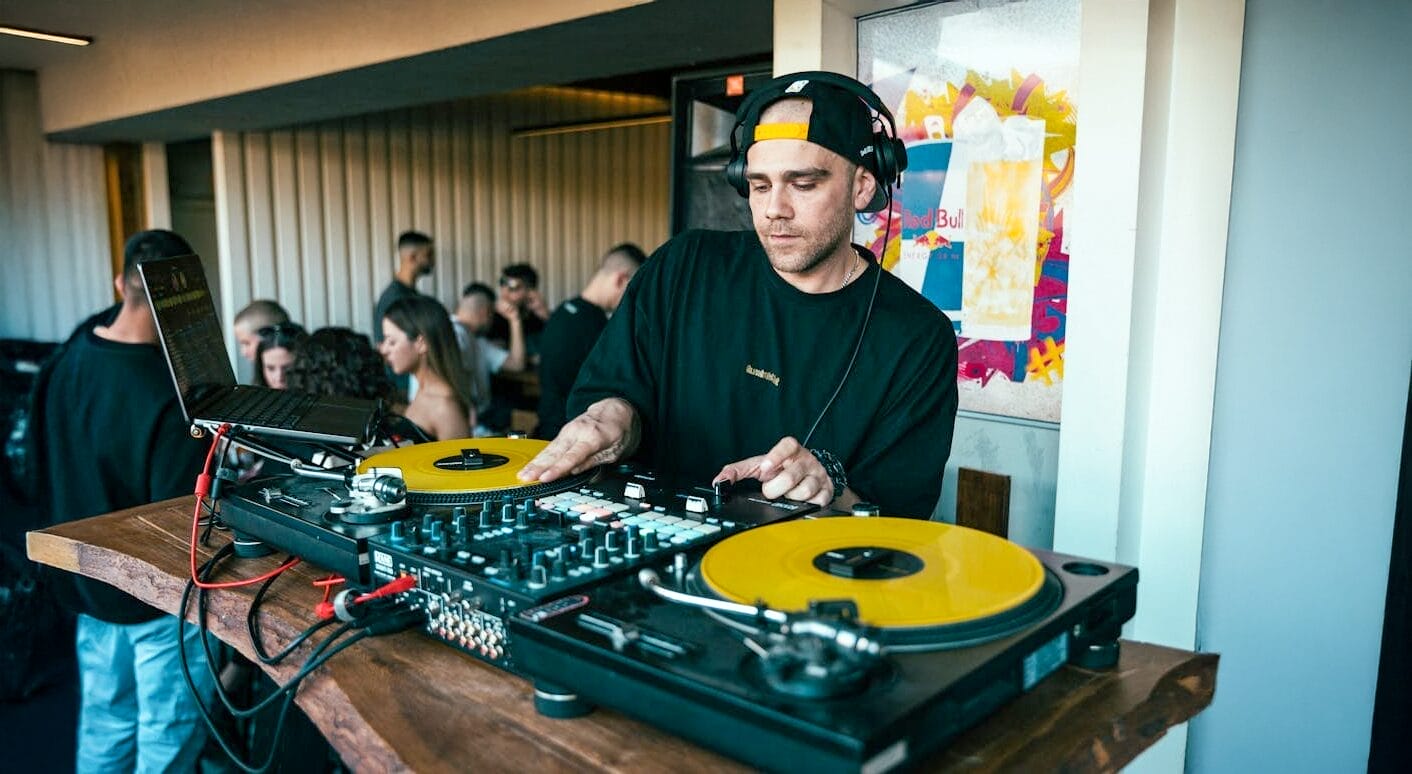
National DJ Day is observed annually on January 20 and recognizes the cultural role of disc jockeys in radio, nightlife, and music distribution. The observance developed through popular culture and industry recognition rather than formal proclamation, reflecting how DJs became essential intermediaries between music and audiences.
The role of the DJ began with radio. In the early twentieth century, radio broadcasters introduced recorded music to large audiences, and the personality of the presenter became part of the experience. The term disc jockey emerged as recorded discs became central to broadcasting. DJs were not simply announcers. They curated taste, introduced new sounds, and shaped public listening habits.
During the mid twentieth century, DJs influenced popular music by controlling exposure. Radio play could elevate unknown artists into national attention, making DJs powerful cultural gatekeepers. As music industries expanded, DJs became entwined with marketing, regional identity, and youth culture.
By the late twentieth century, DJ culture expanded beyond radio into clubs and live performance. Turntablism, remixing, and beat-matching transformed DJing into a creative discipline rather than pure selection. National DJ Day reflects this evolution, recognizing DJs as both curators and artists.
DJs shape how communities experience music. They operate at the intersection of sound and social gathering, influencing mood, movement, and collective memory. In clubs, parties, and festivals, the DJ becomes an architect of shared experience, using sequencing and timing to create emotional arcs.
In radio and broadcasting, DJs historically served as cultural translators. They introduced new genres, connected local scenes to national audiences, and amplified voices that might otherwise remain unheard. Many musical movements spread through DJ networks long before mainstream institutions recognized them.
National DJ Day also highlights the ethical and economic dimensions of gatekeeping. Because DJs influence exposure, they shape opportunity. This power can be used to widen access, diversify sounds, and elevate underrepresented artists, or it can reinforce narrow commercial priorities. The observance provides space to recognize both influence and responsibility.
By acknowledging DJs as cultural workers rather than background figures, the holiday reframes music culture as something actively built through selection, interpretation, and community.
National DJ Day remains relevant because the function of DJs continues to evolve. Streaming platforms and algorithms now influence listening habits, but DJs still provide something automated systems cannot fully replicate: contextual taste shaped by human judgment, local knowledge, and live responsiveness.
The observance also recognizes that DJing is a form of creative labor. Mixing, programming, and crowd reading involve skill, preparation, and artistic sensibility. In many contexts, DJs serve as cultural archivists, preserving genres and histories through performance and curation.
National DJ Day encourages reflection on how music reaches people. It highlights that cultural discovery is not only driven by technology, but by individuals and communities who take risks on new sounds and sustain scenes over time.
The day matters because DJs remain essential to how music lives socially. They connect songs to moments, and moments to memory, shaping how communities hear themselves.