National Egg McMuffin Day
March 2, 2028

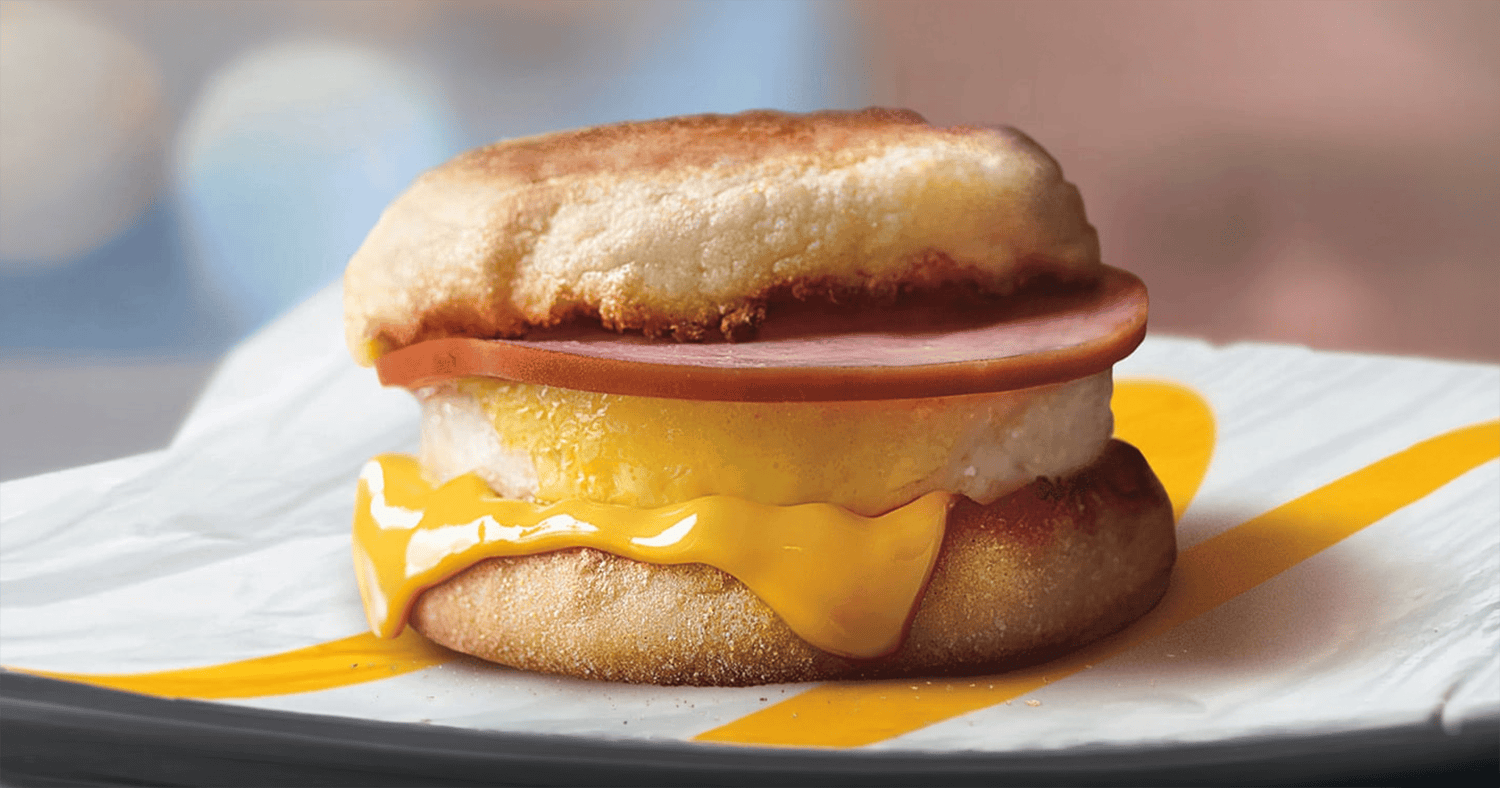
National Egg McMuffin Day is observed annually on March 2 and celebrates a breakfast sandwich that helped define modern fast-food morning culture. National Egg McMuffin Day is not merely a brand-oriented observance. It recognizes a product that influenced how Americans understand breakfast portability, convenience, and standardized taste.
The Egg McMuffin was introduced in the early 1970s and is closely associated with the expansion of breakfast as a fast-food category. Historically, breakfast in the United States centered on home preparation or sit-down diners. The idea of a standardized breakfast sandwich sold quickly and consistently at scale represented a significant shift in consumer behavior.
The ingredient microhistory at the core of the Egg McMuffin is the egg, and specifically the industrial management of eggs as a safe, consistent protein. Egg production became increasingly standardized in the twentieth century through refrigeration, grading, and large-scale distribution. Those systems made it feasible to serve eggs nationwide with consistent quality and safety protocols.
Another key ingredient is the English muffin, a bread product that requires specific texture to hold fillings without collapsing. The stability of the muffin reflects modern baking consistency, made possible by industrial milling and standardized yeast fermentation, allowing predictable structure across locations.
Migration and labor patterns shaped demand. As suburban commuting increased and work schedules tightened, breakfast shifted toward mobility. Fast-food breakfast succeeded by meeting the needs of people who wanted a hot meal without sitting down. This is a cultural story about time, not just taste.
National Egg McMuffin Day reflects the evolution of breakfast from a meal associated with home kitchens into a category shaped by corporate logistics, food engineering, and the modern rhythm of commuting life.
National Egg McMuffin Day highlights how a single menu item can reshape a market. Fast-food breakfast required ingredients that could be prepared quickly, held safely, and delivered with predictable results. Eggs, cheese, and cured meat fit that model when paired with controlled cooking systems and standardized portions.
Technological inflection points were essential. Commercial griddles, egg rings, and temperature-controlled holding systems allowed consistent cooking at scale. Refrigeration and supply chain coordination ensured ingredients arrived within safe timelines. This engineering transformed breakfast into an assembly process designed for speed and repeatability.
Agriculturally, the product ties into egg farming, dairy production, and grain agriculture. Cheese depends on dairy supply chains. Muffins depend on wheat flour markets and milling consistency. Meat components reflect pork or other livestock systems. A simple sandwich reflects large commodity networks.
Regional comparisons show how breakfast sandwiches adapt. In some regions, fast-food breakfast competes with diner culture and home-style plates. In others, drive-through systems dominate because commuting patterns and car infrastructure shape eating behavior. The Egg McMuffin became successful partly because it suited car-oriented routines.
A misconception worth clarifying is that fast-food breakfast is purely modern and detached from tradition. The Egg McMuffin is essentially a compact version of familiar breakfast elements: egg, bread, meat, and dairy. It is not a new flavor profile. It is a new delivery system that changes when and how people eat those flavors.
Economic resilience is a key layer. During recessions or time-compressed periods, value-oriented breakfast items remain in demand because they offer predictable cost and calories. National Egg McMuffin Day highlights how standardized breakfast became a dependable consumer habit under shifting economic conditions.
Mid 20th century: Refrigeration and standardized food distribution expand national consistency for eggs, dairy, and bread products.
Early 1970s: The Egg McMuffin is introduced, demonstrating demand for portable breakfast sandwiches.
1970s to 1980s: Fast-food breakfast expands as chains add morning menus and develop standardized prep systems.
1990s: Drive-through culture intensifies and breakfast becomes a major revenue category in fast food.
2000s: Competition expands with coffee chains and convenience stores offering breakfast sandwiches and portable meals.
2010s: Nutrition awareness shifts ingredient offerings, leading to variations and customization across the breakfast sandwich category.
Present day: Breakfast sandwiches remain central to quick-service markets, shaped by labor costs, supply chain efficiency, and consumer routines.
National Egg McMuffin Day matters today because it highlights how modern eating is shaped by time constraints and infrastructure. The sandwich’s success reflects the reality that many people need breakfast that fits into commuting, childcare schedules, and early work hours.
Sensory anthropology helps explain its appeal. The sandwich offers a compact balance of salt, fat, and warmth. The egg provides soft richness, cheese adds melt and umami, and the muffin delivers chew and structure. These textures create a complete breakfast experience without utensils.
Technological and logistical systems remain central. Ingredient availability, food safety standards, and labor efficiency determine whether breakfast menus stay profitable. National Egg McMuffin Day can be framed as recognition of how food engineering and supply chains shape daily habits.
Misconceptions that the Egg McMuffin is purely a novelty ignore its role as a category pioneer. It helped normalize the breakfast sandwich as a standard option across fast food, convenience stores, and cafes, influencing how breakfast is sold.
Economic resilience remains part of the story. Portable breakfast remains stable even when dining patterns shift, because it meets basic needs with predictable cost and speed. That stability helps explain why breakfast sandwiches persist through trend cycles.
National Egg McMuffin Day matters because it honors a product that changed how breakfast is structured in modern life, turning a sit-down meal into a portable ritual shaped by logistics, technology, and the daily need for speed.