National Fettuccine Alfredo Day
February 7, 2027

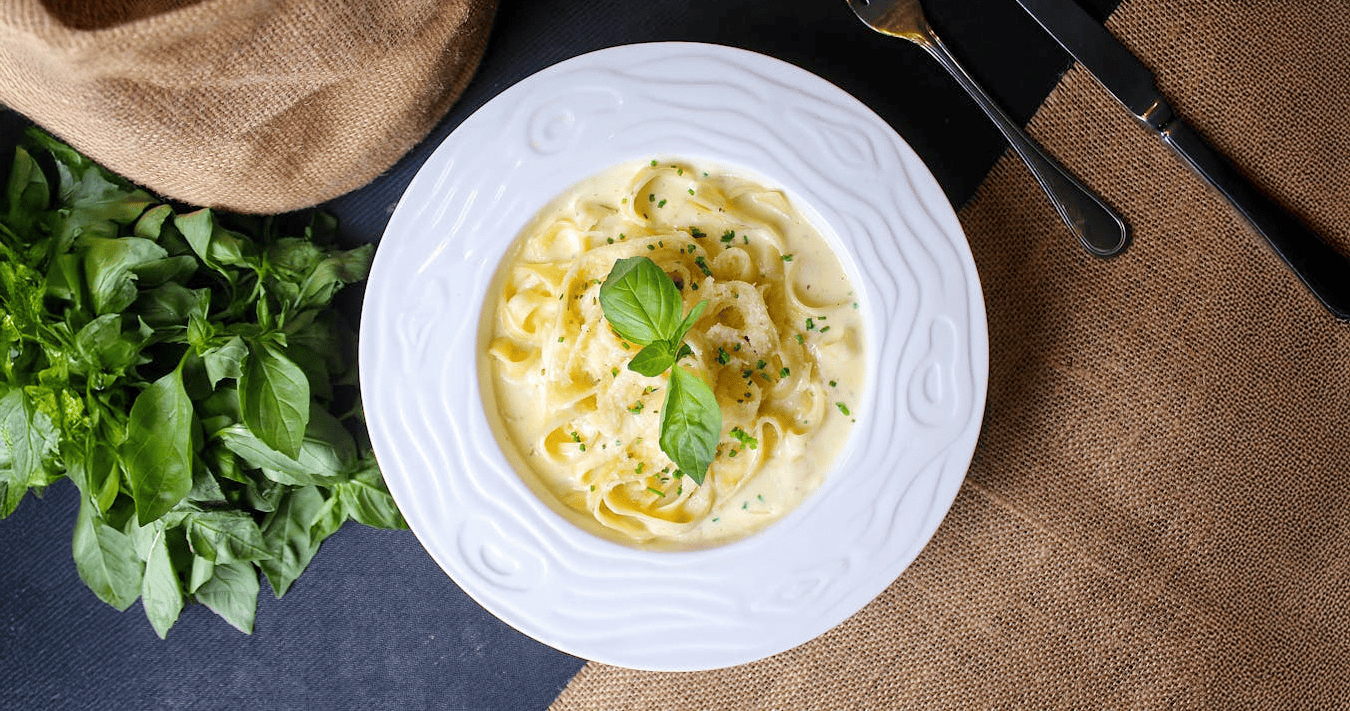
National Fettuccine Alfredo Day is observed annually in early February and celebrates a pasta dish whose global reputation far exceeds its modest origins. Fettuccine Alfredo traces back to early twentieth century Rome, where it emerged not as an elaborate culinary invention, but as a simple expression of comfort, balance, and technique.
The dish is commonly attributed to Alfredo di Lelio, a Roman restaurateur who prepared fettuccine tossed with butter and Parmigiano-Reggiano for his wife during her recovery from childbirth. The simplicity of the preparation relied on timing and emulsification rather than additional ingredients. When properly executed, the heat of the pasta melts the cheese and butter into a cohesive, creamy coating without the use of cream.
This original Roman version differed significantly from what later became known internationally as Alfredo sauce. In Italy, the dish remained straightforward, emphasizing pasta quality and precise handling. It was served tableside, reinforcing the importance of technique and immediacy.
Fettuccine Alfredo gained international recognition in the 1920s when American visitors encountered the dish in Rome and brought the idea back to the United States. As it crossed borders, the dish evolved to accommodate local tastes, ingredient availability, and dining expectations.
National Fettuccine Alfredo Day reflects this transformation from a personal, situational dish into a global comfort food, shaped as much by migration and adaptation as by its original conception.
Fettuccine Alfredo holds a unique position in culinary culture because it illustrates how dishes change meaning as they move across contexts. In Italy, it remains a restrained pasta preparation centered on balance and restraint. In the United States, it evolved into a richer, cream-based sauce that aligns with broader preferences for indulgence and abundance.
This divergence highlights how food traditions are not static. Ingredients such as heavy cream, garlic, and additional proteins were introduced as the dish became embedded in American restaurant culture. While these additions altered the original form, they also ensured the dish’s longevity and popularity.
Culturally, Fettuccine Alfredo became associated with comfort, familiarity, and accessibility. It appears in casual dining establishments, home kitchens, and celebratory meals, often serving as an entry point into Italian-inspired cooking.
The dish also reflects broader themes of culinary translation. Rather than being a faithful reproduction, American-style Alfredo represents reinterpretation, where memory, expectation, and local preference shape outcome.
National Fettuccine Alfredo Day highlights how authenticity in food can coexist with adaptation, showing that cultural significance often lies in use and repetition rather than strict origin.
National Fettuccine Alfredo Day remains relevant because it provides a lens for understanding how global food culture functions. The dish demonstrates how simple preparations can take on new identities without losing their core appeal.
The observance also encourages reflection on technique and restraint. Even in its richer variations, Fettuccine Alfredo relies on balance between fat, starch, and heat, reminding cooks that execution matters as much as ingredients.
In contemporary dining, where trends often favor novelty, the continued popularity of Fettuccine Alfredo underscores the power of familiarity. It persists because it delivers comfort and reliability across generations.
The day matters because it honors a dish that bridges personal history, cultural exchange, and everyday enjoyment. Fettuccine Alfredo stands as an example of how food traditions evolve while remaining deeply rooted in human experience.