National Food Faces Day
April 6, 2028

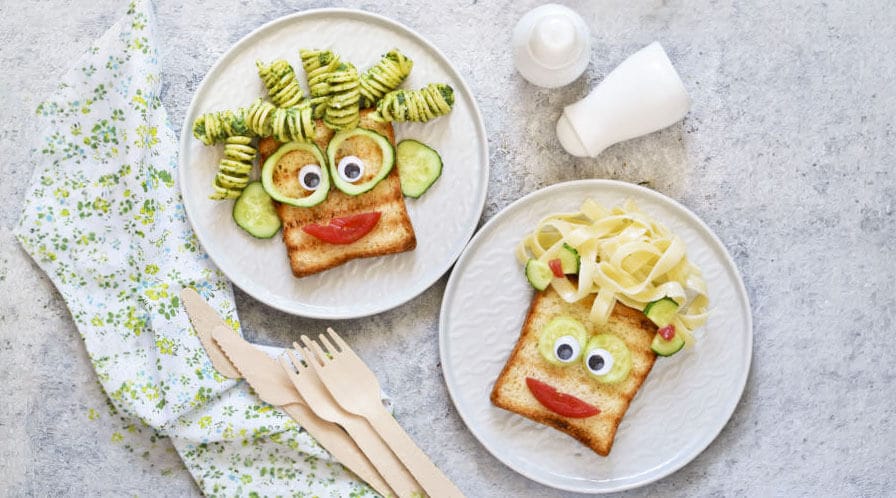
National Food Faces Day, observed annually on May 7th, celebrates the playful practice of arranging food items into facial features and creative designs on plates, encouraging both children and adults to engage with food through artistic expression and visual creativity. This whimsical food holiday honors a presentation technique that transforms ordinary meals into interactive experiences, making eating more engaging for picky eaters while fostering creativity and positive food relationships. Unlike celebrations focused on specific dishes or ingredients, National Food Faces Day emphasizes food as medium for artistic play rather than mere nutrition or sustenance. The observance falls within the broader category of food-related activities that use eating occasions as opportunities for education, creativity, and family bonding. The timing in early May positions it during spring when fresh produce variety enables colorful, diverse creations using seasonal ingredients. Whether parents creating smiley pancakes to encourage breakfast consumption, teachers using food faces for nutrition education, or adults posting elaborate food art on social media, National Food Faces Day recognizes that food presentation significantly influences eating experiences and that playfulness belongs at the table alongside nutrition and taste considerations.
The practice of arranging food into decorative patterns and recognizable shapes has ancient roots across cultures, though the specific tradition of creating faces from food emerged more recently as childhood nutrition strategy. Historical food presentation emphasized elaborate displays demonstrating wealth and sophistication, from medieval subtleties (elaborate sugar sculptures) to French haute cuisine’s architectural plating. These traditions focused on impressing guests and displaying culinary skill rather than engaging children with food.
The shift toward using food arrangement specifically to encourage children’s eating developed alongside modern childhood nutrition concerns in the mid-20th century. As processed foods became prevalent and nutritional quality declined, parents and educators sought strategies to make healthful foods appealing to children whose palates adapted to sweet, salty manufactured products. Creating faces and designs from vegetables, fruits, and whole grains offered psychological approach to nutrition, making unfamiliar foods less threatening through playful presentation.
The Italian tradition of playing with food presentation through pasta shapes designed specifically for children represents early commercialization of this concept. Alphabet pasta, star shapes, and character-themed pasta encouraged children to engage with meals as interactive experiences rather than nutritional obligations. This tradition expanded to include character-shaped fruit snacks, animal crackers, and countless products leveraging playful shapes to drive children’s food preferences and parental purchases.
The rise of parenting magazines and television shows in the 1970s through 1990s popularized specific food face techniques through recipes and presentation guides. Publications like Parents Magazine and television programs featuring child nutrition segments demonstrated creating smiley face pancakes using fruit for eyes and mouths, salad faces using vegetable components, and sandwich faces with creative garnishing. These media platforms standardized certain food face conventions while inspiring home variations adapted to family preferences and available ingredients.
National Food Faces Day’s specific establishment date and organizing entity remain unclear, following patterns of many contemporary playful food holidays that emerge through grassroots enthusiasm and social media spread rather than formal organizational initiatives. The observance likely gained recognition in the early 2010s as food photography exploded on social media platforms, creating audiences eager to share and celebrate creative food presentations including but not limited to faces.
Instagram’s launch in 2010 and subsequent explosive growth fundamentally transformed food photography culture, making visually striking presentations valuable as social content beyond immediate meal appreciation. Food bloggers and parents began sharing elaborate food face creations online, competing for attention through increasingly creative arrangements. This social media integration elevated food faces from simple child engagement strategy to full-fledged art form warranting serious attention and impressive execution.
The bento box movement, inspired by Japanese lunch presentation traditions, gained Western momentum in the 2010s and significantly influenced food face culture. Japanese mothers’ tradition of creating elaborate character bento for children inspired global adoption of similar techniques using locally available foods and cultural references. Bento inspiration books, online communities, and specialty tools enabled increasingly sophisticated food faces incorporating multiple components and complex techniques borrowed from Japanese presentation traditions.
Celebrity chefs and food personalities began embracing food face techniques around 2012-2015, validating the practice beyond pure children’s engagement to legitimate culinary creativity. Television cooking shows featured segments on creative food presentation for children, cookbook authors included sections on playful plating, and food bloggers built followings around food art content. This mainstream validation transformed food faces from elementary nutrition trick to recognized culinary subset deserving appreciation and skill development.
The COVID-19 pandemic of 2020 brought renewed attention to food faces as quarantined families sought engaging home activities and ways to make meals special during restaurant closures. Social media filled with parents’ food face creations as home cooking intensified and screen time boundaries relaxed. This surge introduced the practice to families previously unfamiliar with food face techniques while encouraging experienced practitioners to attempt more elaborate creations with abundant time and motivation to experiment.
National Food Faces Day matters because it addresses serious childhood nutrition challenges through playful, positive strategies that encourage vegetable and fruit consumption without coercion or conflict. Research suggests that food presentation significantly influences children’s willingness to try unfamiliar foods, with playful arrangements reducing neophobia and increasing acceptance. Creating faces from vegetables transforms potentially threatening foods into friendly characters, leveraging children’s natural anthropomorphizing tendencies to build positive associations with nutritious ingredients.
The observance promotes family bonding through collaborative meal preparation rather than isolated eating of individually prepared foods. Parents and children creating food faces together engage in shared creative activity that builds kitchen skills while strengthening relationships. These collaborative cooking experiences teach children about food origins, ingredient properties, and basic nutrition through hands-on engagement more effective than passive nutrition lectures. The memories created through food face preparation often persist into adulthood, influencing lifelong food attitudes and family traditions.
From a developmental perspective, National Food Faces Day celebrates activities that support fine motor skill development, creativity, spatial reasoning, and artistic expression. Arranging small food items into patterns requires dexterity and hand-eye coordination that develops through practice. Deciding which foods create which features exercises creative thinking and problem-solving. These developmental benefits make food faces valuable beyond nutrition, contributing to broader childhood skill acquisition through enjoyable, low-pressure activities.
The holiday encourages mindful eating and present-moment engagement with meals rather than distracted consumption while watching screens or rushing through meals. Creating and appreciating food faces requires attention to visual details, slowing the eating process and increasing awareness of food components. This mindfulness practice establishes patterns of conscious eating that may persist beyond individual food face meals, supporting healthier relationships with food throughout life.
National Food Faces Day also matters for combating food waste through creative use of imperfect produce and leftover ingredients that might otherwise be discarded. Creating faces provides purpose for misshapen vegetables, small fruit portions, and odds and ends that don’t constitute full servings alone. This resourcefulness models sustainable cooking practices for children while demonstrating that perfection isn’t required for food to be useful, beautiful, and delicious. By celebrating food faces’ playfulness alongside practical benefits around nutrition, family bonding, skill development, and waste reduction, National Food Faces Day advocates for food culture that recognizes eating as holistic experience encompassing physical nutrition, emotional satisfaction, social connection, creative expression, and environmental responsibility rather than purely biological fuel consumption.

