National Fresh Florida Tomato Month
April 1, 2026

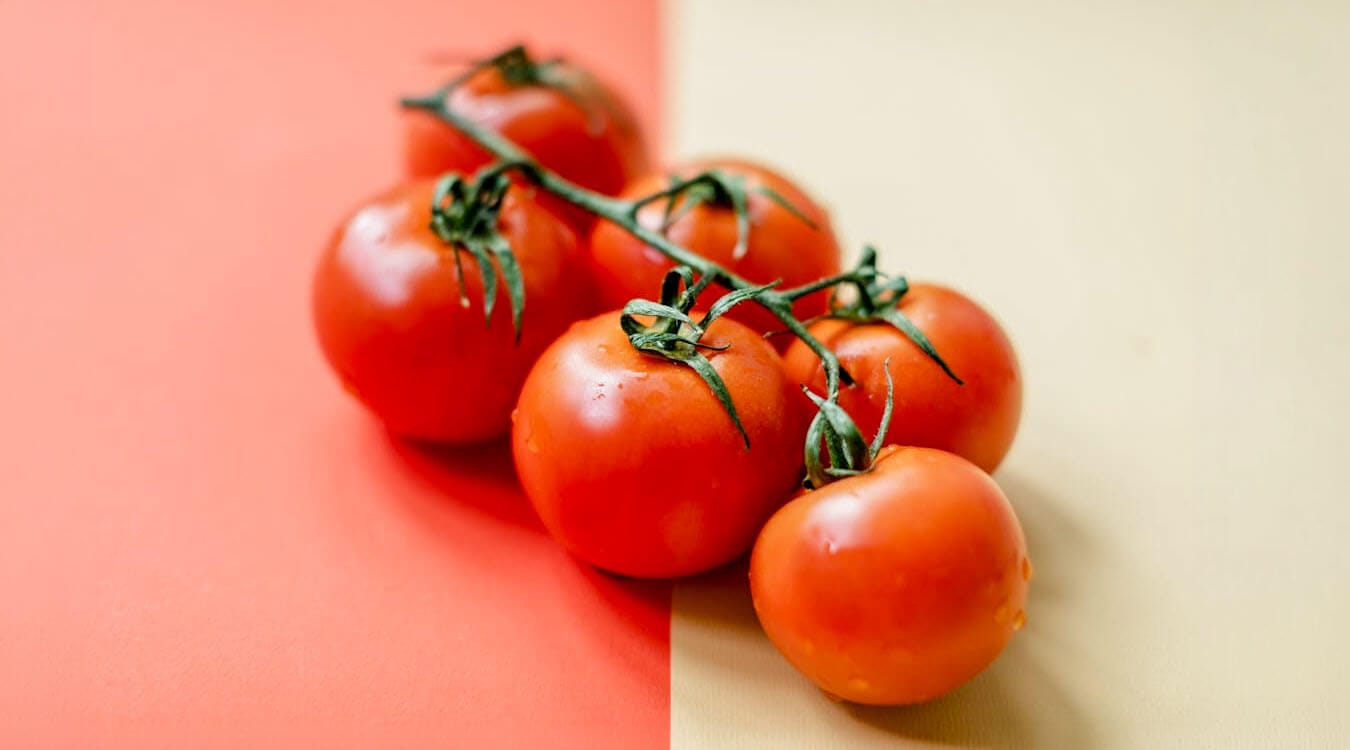
Fresh Florida Tomato Month, observed throughout April in Florida and increasingly recognized across the United States, celebrates the Sunshine State’s vital role in supplying fresh tomatoes to American markets during winter and spring months when northern production remains impossible. This agricultural observance honors Florida’s tomato farmers who navigate complex challenges including weather uncertainty, international competition, pest pressure, and labor availability to deliver approximately one billion pounds of tomatoes annually. Unlike tomato celebrations focused on heirloom varieties or specific cultivars, Fresh Florida Tomato Month emphasizes commercial production systems that keep grocery stores stocked year-round. The timing in April coincides with peak Florida tomato harvest when fields across south and central Florida reach maximum productivity before heat and humidity create conditions favoring diseases and reducing fruit quality. This month falls within the broader category of state agricultural promotion campaigns that build consumer awareness about local farming while supporting rural economies. Whether sliced onto sandwiches, diced into salads, or simply enjoyed with salt, fresh Florida tomatoes represent modern commercial agriculture’s ability to extend seasonal availability beyond traditional limits while maintaining the economic viability of family farms facing increasing production costs and market pressures.
Florida’s tomato industry emerged in the late 19th century when railroad expansion enabled shipping perishable produce from warm southern regions to northern cities during winter months. Early tomato farming concentrated around Fort Myers, Ruskin, and Homestead, areas where sandy soils, warm winters, and water availability created favorable growing conditions. These pioneering farmers recognized that northern consumers would pay premium prices for fresh vegetables during months when local production was impossible due to freezing temperatures. The 1895 freeze that devastated Florida’s citrus industry actually accelerated vegetable farming as growers sought alternative crops less vulnerable to occasional hard freezes.
The industry faced immediate challenges balancing productivity with fruit quality and disease resistance. Early Florida tomato varieties produced soft fruits that bruised easily during handling and shipping, resulting in significant losses between field and market. The University of Florida’s agricultural research programs began developing varieties specifically for commercial production, emphasizing firm fruits that could withstand mechanical harvesting and long-distance transportation. These breeding efforts created tomatoes quite different from traditional garden varieties, prioritizing durability and shelf life over flavor complexity that couldn’t survive the supply chain intact regardless of taste.
Labor has always been central to Florida tomato production despite ongoing mechanization efforts. Tomatoes for fresh market require hand harvesting because mechanical harvesters damage fruit quality. This labor intensity made Florida tomatoes dependent on seasonal workers, initially domestic migrants following harvest cycles northward each spring, later primarily immigrants from Mexico, Central America, and Caribbean nations. Labor conditions in Florida tomato fields became focus of advocacy efforts in the 1990s and 2000s, with organizations like the Coalition of Immokalee Workers documenting exploitation and pressing for reforms. The Fair Food Program, launched in 2011, established unprecedented worker protections and monitoring in agricultural supply chains, transforming labor practices industrywide.
International competition, particularly from Mexico, reshaped Florida’s tomato industry beginning in the 1990s as trade agreements reduced tariffs and improved transportation infrastructure enabled year-round Mexican tomato imports. Mexican growers enjoyed lower labor costs and in some regions could produce tomatoes during months when Florida’s climate became too hot and humid for optimal production. Florida growers responded by improving production efficiency, adopting protected agriculture techniques like high tunnels and shade houses, and emphasizing quality and food safety standards as competitive advantages. These adaptations helped Florida maintain market share despite intense competition.
The formal designation of Fresh Florida Tomato Month emerged through collaboration between the Florida Tomato Grower’s Exchange and state agricultural promotion agencies seeking to build consumer awareness about Florida’s agricultural contributions. While exact establishment dates remain unclear, the observance gained traction in the 2000s as part of broader efforts to connect consumers with agricultural production and support farming communities facing economic pressures. April’s selection reflected industry realities, coinciding with peak harvest when Florida tomatoes dominate market supplies before summer heat reduces production.
The 1980s and 1990s brought significant consolidation in Florida tomato farming as small operations struggled to compete with larger farms that could invest in advanced technology and absorb market volatility. Family farms that survived did so by forming cooperatives, specializing in particular market segments like organic or specialty tomatoes, or diversifying into other crops to spread risk. This consolidation trend continued into the 21st century, concentrating production among fewer but larger operations while reducing the total number of farmers and farmland dedicated to tomatoes.
Food safety incidents in the 2000s, including a 2008 salmonella outbreak initially but incorrectly attributed to tomatoes, forced industrywide changes in handling and traceability practices. Florida tomato growers invested heavily in food safety programs, implementing strict protocols for water quality, worker hygiene, and harvest practices. These investments differentiated Florida tomatoes in markets where food safety concerns influenced purchasing decisions, particularly in institutional and foodservice sectors requiring rigorous safety documentation.
The growth of farmers markets and farm-to-table dining in the 2000s and 2010s created new opportunities for Florida tomato growers willing to diversify beyond conventional varieties. Some farms began growing heirloom and specialty tomatoes for direct marketing channels where consumers valued flavor over durability and accepted higher prices for superior taste. This niche production complemented rather than replaced commodity production, allowing farmers to capture different market segments while maintaining economic scale in conventional tomatoes.
Climate variability and extreme weather events increasingly challenged Florida tomato production in recent decades. Hurricanes, unexpected freezes, excessive rainfall, and drought events created unpredictable growing conditions that stressed plants and reduced yields. Growers responded by adopting protected agriculture structures, improving drainage systems, and investing in weather monitoring technology that helps optimize management decisions. These adaptations demonstrate the industry’s resilience while highlighting vulnerability to climate change impacts expected to intensify in coming decades.
Fresh Florida Tomato Month matters because it recognizes an agricultural sector that maintains year-round produce availability Americans increasingly take for granted. Without Florida’s winter and spring tomato production, fresh tomato access would be severely limited for months each year in much of the United States, or consumers would depend entirely on imports from regions with less stringent food safety standards and labor protections. This observance highlights the value of domestic agricultural capacity and the farmers who maintain it despite economic challenges and intense competition from lower-cost production regions.
The month celebrates the resilience of family farms that anchor rural Florida communities despite consolidation pressures affecting American agriculture broadly. Towns like Ruskin, Immokalee, and Plant City depend economically on tomato farming and related agricultural businesses including packing houses, equipment suppliers, and transportation companies. When tomato farming thrives, these communities prosper; when economic pressures squeeze farm profits, entire regions suffer. Fresh Florida Tomato Month builds awareness about these connections between agriculture and community wellbeing, encouraging consumer choices that support domestic farmers.
From a labor rights perspective, Fresh Florida Tomato Month offers opportunities to educate consumers about Fair Food Program achievements that transformed working conditions in Florida tomato fields. This program demonstrates that improved labor standards and living wages are achievable in agricultural supply chains when buyers commit to enforcement and modest price increases. The Florida tomato industry’s transformation from labor exploitation to protected working conditions provides a model for reforming agricultural labor practices in other crops and regions where exploitation persists.
Nutritionally, fresh tomatoes provide lycopene, vitamin C, potassium, and other nutrients important for cardiovascular health and disease prevention. Research suggests that regular tomato consumption may reduce certain cancer risks and support heart health through multiple mechanisms. Maintaining accessible fresh tomato supplies year-round supports dietary patterns that emphasize vegetable consumption, contributing to public health goals around nutrition improvement and chronic disease prevention. Fresh Florida Tomato Month reinforces these nutritional messages while connecting health benefits to specific agricultural production systems.
The observance also matters for understanding trade-offs in modern food systems between flavor, durability, affordability, and year-round availability. Critics rightfully note that commercially grown Florida tomatoes often lack the flavor complexity of garden-grown heirlooms picked at peak ripeness. However, breeding for shipping durability and mechanical harvest tolerance while maintaining disease resistance creates constraints that make compromises inevitable. Fresh Florida Tomato Month invites honest conversations about these trade-offs rather than simplistic narratives vilifying commercial agriculture, encouraging consumers to make informed choices that balance their priorities around flavor, price, convenience, and supporting domestic farmers who navigate complex challenges to keep fresh tomatoes available throughout the year.
