National Frozen Yogurt Day
February 2, 2029

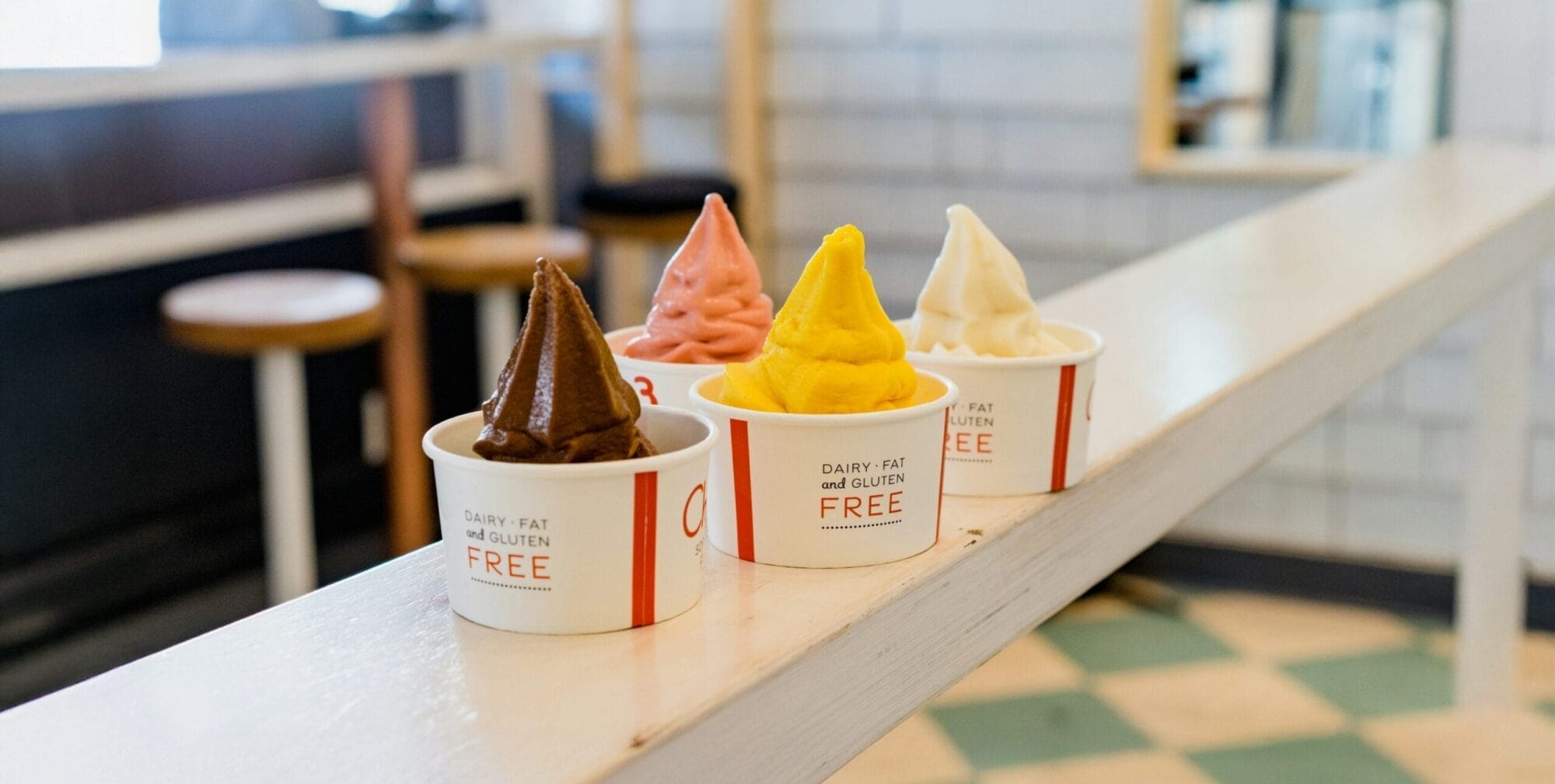
National Frozen Yogurt Day is observed annually in early February and centers on a dessert that emerged from twentieth-century experimentation at the intersection of dairy science, consumer health trends, and commercial innovation. Frozen yogurt did not arise from traditional dessert lineage but from modern efforts to reframe indulgence.
Yogurt itself has ancient origins, produced through fermentation in regions spanning the Middle East, Central Asia, and parts of Europe. For centuries, yogurt was consumed primarily as a staple food rather than a dessert, valued for preservation and digestibility.
In Western markets, yogurt gained popularity in the twentieth century as scientific understanding of fermentation expanded and dietary culture shifted. Yogurt began to be associated with health, digestion, and balance, particularly as processed foods became more common.
Frozen yogurt emerged when producers attempted to merge yogurt’s perceived benefits with the sensory appeal of ice cream. Early versions were inconsistent and often lacked the richness consumers expected. However, improvements in processing and flavoring eventually made frozen yogurt commercially viable.
By the late twentieth century, frozen yogurt shops became a recognizable feature of urban and suburban landscapes. National Frozen Yogurt Day reflects this transformation from experimental product to established dessert category.
Frozen yogurt holds cultural significance because it sits between indulgence and restraint. Its identity has often been shaped as much by perception as by ingredients.
The rise of frozen yogurt shops introduced a new style of dessert consumption. Self-serve models emphasized customization, allowing individuals to assemble desserts according to personal preference. This shifted dessert from a fixed product to a participatory experience.
Culturally, frozen yogurt became associated with choice, control, and moderation. Even when toppings and portion sizes mirrored ice cream, the framing allowed consumers to negotiate indulgence differently.
Frozen yogurt also reflects broader trends in how food is marketed and understood. Its popularity demonstrates how narrative can influence taste and habit as much as formulation.
National Frozen Yogurt Day highlights how modern desserts carry layered meanings that extend beyond flavor.
National Frozen Yogurt Day remains relevant because frozen yogurt continues to adapt. Ingredient sourcing, sugar content, and flavor profiles shift in response to evolving consumer priorities.
The observance also provides insight into how food culture negotiates health, pleasure, and identity. Frozen yogurt’s success reveals how consumers seek balance rather than extremes.
Frozen yogurt’s endurance shows that food categories survive when they remain flexible rather than fixed.
The day matters because it captures a moment when dessert culture expanded to include choice, customization, and self-definition.