National Fruit Compote Day
March 1, 2027

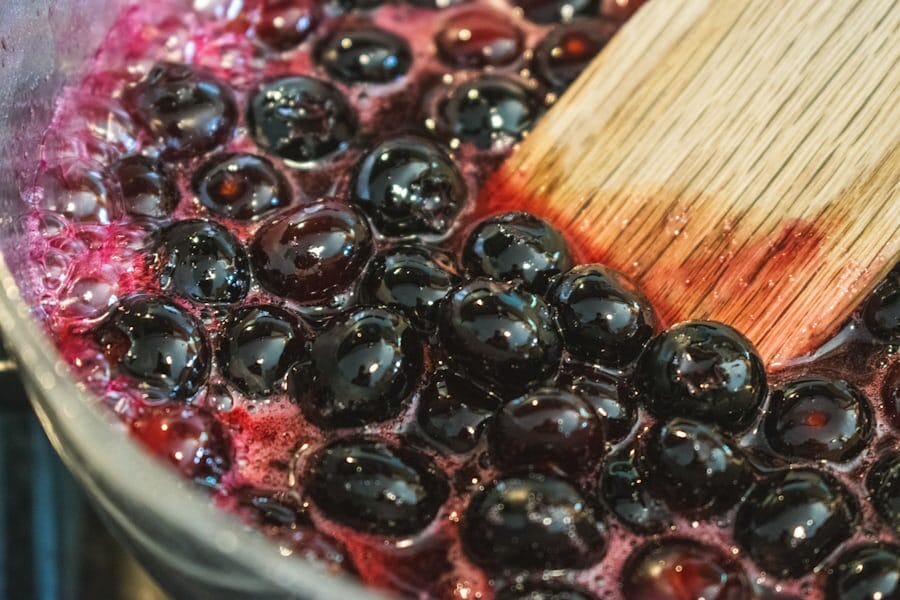
National Fruit Compote Day is observed annually on March 1 and celebrates a preservation technique that predates refrigeration, industrial canning, and modern food storage systems. National Fruit Compote Day recognizes fruit compote not merely as a sweet topping, but as a culinary response to seasonality, surplus harvest, and the need to extend perishable ingredients beyond their natural lifespan.
The word compote derives from the French term meaning mixture. However, the technique of stewing fruit with sweetener extends far beyond France. In medieval Europe, fruits were simmered with honey or cane sugar and often infused with spices introduced through expanding trade routes. Sugar functioned not only as flavoring but as a preservative, drawing out moisture and slowing microbial growth.
The primary ingredient in fruit compote, sugar, carries a complex agricultural history. Sugarcane cultivation expanded dramatically during the colonial period, reshaping Caribbean and Latin American economies. Later, sugar beet refinement in Europe diversified supply chains. The increased availability of granulated sugar in the nineteenth century made fruit preservation accessible to broader populations.
Compote also reflects migration patterns. As trade routes introduced citrus, stone fruits, and dried spices into European kitchens, compote recipes diversified. In Eastern Europe, lightly sweetened fruit beverages known as kompot became common household staples. In France, thicker fruit compotes accompanied rich roasted meats to provide acidity and balance.
The technique required minimal equipment. A pot, heat source, fruit, and sweetener were sufficient. This simplicity made compote adaptable across economic classes. Whether prepared in rural cottages or urban kitchens, the method remained structurally consistent.
National Fruit Compote Day reflects this long continuum of preservation practice, linking medieval sugar trade, agricultural surplus management, and domestic ingenuity into a single culinary form.
National Fruit Compote Day highlights the relationship between fruit cultivation cycles and preservation strategy. Fruit harvests are inherently seasonal and often abundant for short windows. Without preservation methods, much of this surplus would spoil quickly.
From an agricultural standpoint, compote represents value stabilization. By transforming fresh fruit into preserved form, growers and households extended usability beyond harvest season. This practice helped buffer communities against winter scarcity.
Technological inflection points further expanded compote production. The nineteenth century introduction of improved glass jar manufacturing and heat processing techniques enabled more reliable storage. While compote predates formal canning, these developments increased safety and shelf stability.
Regionally, compote varies in thickness and purpose. French compotes are often reduced into thick spoonable forms. Eastern European kompot remains lighter and beverage-like. In parts of the Middle East, stewed fruit is flavored with floral waters. These variations reflect local climate, fruit availability, and culinary preference.
A common misconception equates compote with jam. Jam relies on pectin and higher sugar concentration for gel structure. Compote, by contrast, maintains fruit integrity and looser texture. This structural distinction reflects different preservation goals.
National Fruit Compote Day also intersects with economic resilience. During times of limited refrigeration access, compote allowed households to avoid waste. Even in modern kitchens, simmering overripe fruit into compote remains a practical sustainability practice.
Ancient Period: Honey used to preserve fruit in early Mediterranean civilizations.
Medieval Era: Expansion of cane sugar trade increases fruit stewing practices across Europe.
17th–18th Centuries: Global trade routes diversify fruit availability, influencing compote variations.
19th Century: Glass jar manufacturing and heat processing improve storage reliability.
Early 20th Century: Home preservation guides standardize fruit stewing techniques.
Late 20th Century: Refrigeration reduces necessity but preserves compote as culinary tradition.
21st Century: Sustainability movements renew interest in low waste fruit preservation.
National Fruit Compote Day remains relevant because preservation knowledge remains foundational even in an era of refrigeration. Climate variability and supply chain disruptions continue to highlight the value of simple preservation techniques.
Compote’s sensory qualities also reinforce its endurance. The gentle breakdown of fruit releases natural sugars while retaining structural pieces, creating textural contrast between syrup and softened flesh.
Modern adaptations often reduce added sugar, emphasizing natural fruit sweetness. This shift aligns compote with contemporary health awareness while preserving its historical function.
National Fruit Compote Day also invites reconsideration of seasonality. In a globalized food system where strawberries and peaches appear year-round, compote reconnects cooking to harvest timing.
The holiday further acknowledges the invisible labor of fruit cultivation, including orchard maintenance and berry harvesting.
National Fruit Compote Day matters because it honors a preservation method shaped by trade, agriculture, and domestic adaptation across centuries.

