National Fruitcake Day
December 27, 2026

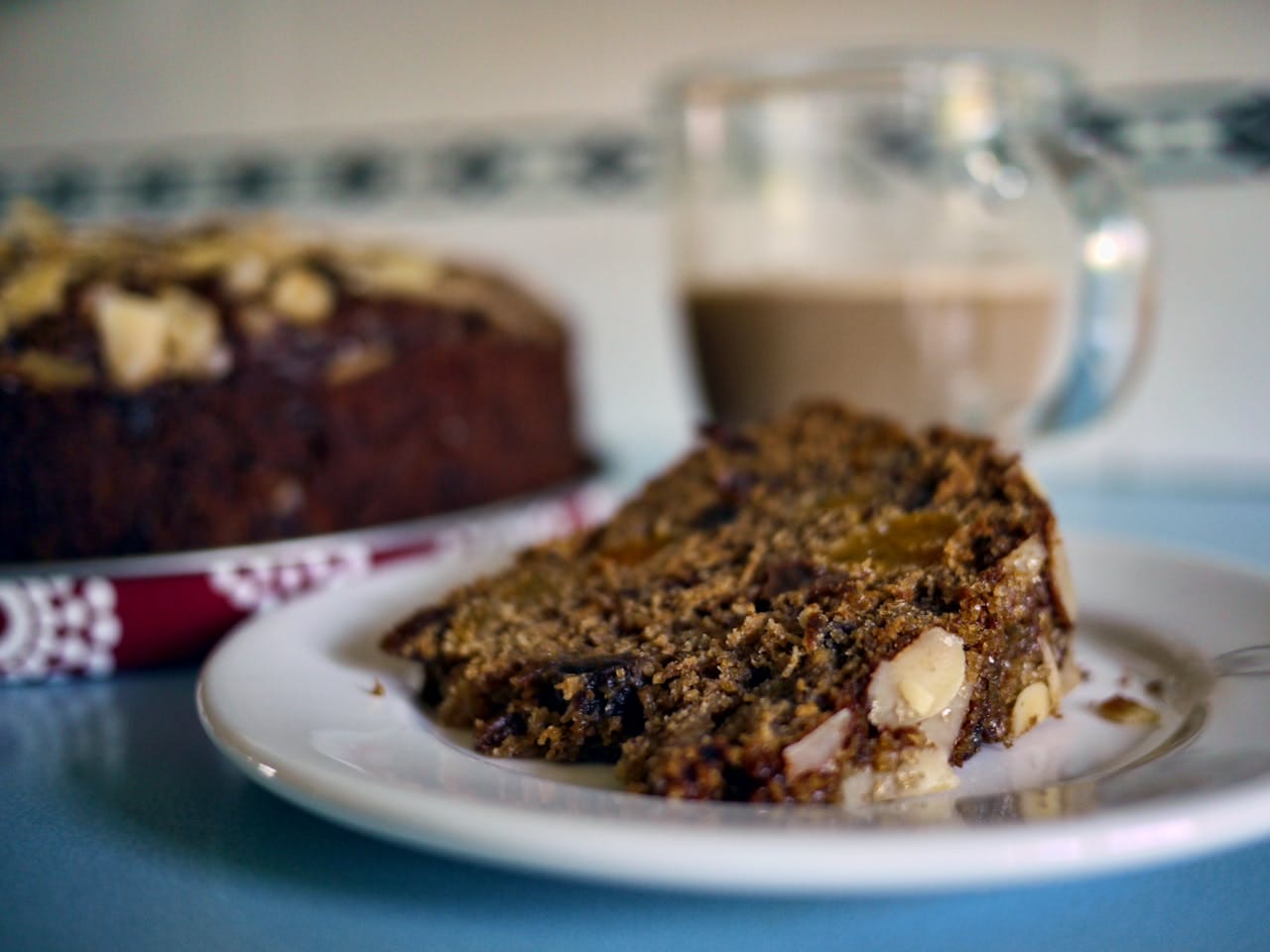
Fruitcake may be the punchline of many holiday jokes, but its history reaches back thousands of years and across multiple civilizations. Long before it was wrapped in foil and passed around as a novelty gift, fruitcake served a practical and symbolic purpose. In ancient Rome, soldiers carried dense mixtures of barley mash, honey, pine nuts, pomegranates, and raisins—early energy bars designed to sustain them on long campaigns. These compact, nutrient-rich cakes laid the groundwork for what would eventually become fruitcake.
During the Middle Ages, fruit-laden cakes took on ceremonial meaning. Dried fruits, spices, and honey were costly ingredients, so cakes packed with them became symbols of wealth and celebration. As global trade expanded in the 16th century and sugar from the Caribbean became more accessible, fruitcake recipes flourished. Sugar acted as a natural preservative, allowing cakes to be baked well in advance and stored for months.
Alcohol further enhanced this preservation. Cakes were brushed or soaked with rum, brandy, or sherry, deepening flavor while preventing spoilage. Aging fruitcake became part of the ritual, with bakers periodically “feeding” their cakes with liquor as the weeks passed. What emerged was not a light dessert, but a rich, complex confection meant to be sliced thin and savored slowly.
Fruitcake traditions vary widely by region. In the United Kingdom, Christmas cakes are dark, dense, and heavily fruited, often wrapped in marzipan and royal icing. In the Caribbean, black rum cake reigns supreme, made with fruit soaked for months—sometimes years—in dark rum and wine, producing a cake that is moist, boozy, and intensely flavored. Italian panforte, German stollen, and Sri Lankan love cake all share fruitcake DNA, blending preserved fruit with nuts and spice.
In the United States, fruitcake took on a different identity in the 20th century. Mail-order companies turned it into a shelf-stable novelty, leading to its reputation as indestructible and endlessly regifted. The humor stuck, but it obscured the craft and care that defined traditional fruitcake.
National Fruitcake Day, observed on December 27, arrives just after Christmas, when desserts linger and reflection sets in. The holiday encourages a reassessment of fruitcake—not as a joke, but as a culinary artifact shaped by preservation, patience, and celebration. A well-made fruitcake relies on quality ingredients: plump dried fruit, toasted nuts, balanced spice, and enough time for flavors to meld.
Fruitcake was never meant to be flashy or fleeting. It is a dessert built on endurance—of ingredients, of technique, and of tradition. When made with care, it offers layered flavors that unfold slowly, telling a story of trade routes, preservation, and celebration across centuries. National Fruitcake Day is an invitation to look past the jokes, take a small slice, and appreciate a holiday food that has survived precisely because it was designed to last.