National Granola Bar Day
January 21, 2030

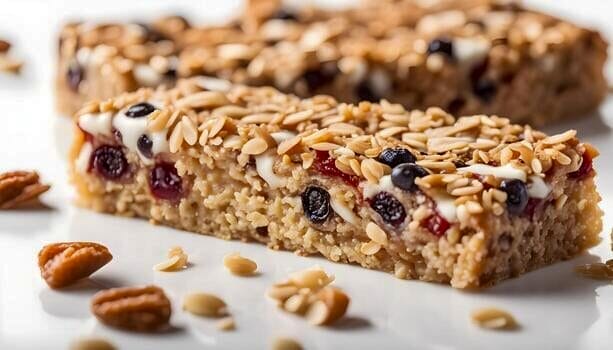
National Granola Bar Day celebrates a food that sits quietly at the intersection of convenience, nutrition and modern eating habits. The granola bar may feel like a product of contemporary life, but its roots stretch back more than a century. Granola itself emerged in the late 19th century during a wave of health reform movements in the United States. Doctors and nutrition advocates promoted whole grains as a remedy for digestive problems and as a foundation for moral and physical discipline.
One of the earliest forms of granola was developed by Dr. James Caleb Jackson at a health spa in New York in the 1860s. His version consisted of baked graham flour dough that was broken into pieces and eaten with milk. John Harvey Kellogg later created his own version, coining the term granola after legal disputes forced him to rename his product. These early grain foods emphasized fiber, simplicity and restraint, values that reflected the era’s belief that diet influenced character.
The granola bar as we know it did not appear until the mid 20th century. During World War II, portable, shelf stable foods became a priority. Oats, nuts and sweeteners could be compressed into compact forms that delivered calories and energy. By the 1960s and 1970s, the rise of outdoor recreation and jogging culture created demand for foods that were easy to carry and quick to eat. Early granola bars were marketed as natural fuel for hikers and athletes, often sold in health food stores rather than supermarkets.
The product entered the mainstream in the 1980s, when major food companies refined the formula for mass appeal. Chocolate coatings, yogurt drizzles and sweeter binders transformed the granola bar from a niche health item into a lunchbox staple. Today, granola bars come in hundreds of variations, from high protein and low sugar options to indulgent dessert like versions. National Granola Bar Day recognizes this evolution from austere health food to everyday snack.
The enduring popularity of granola bars lies in their adaptability. At their core, they combine grains, sweeteners and fats into a compact form that satisfies hunger quickly. Oats provide complex carbohydrates and fiber, nuts and seeds add protein and healthy fats, and sweeteners like honey or syrup bind everything together. This balance makes granola bars both filling and portable.
For busy households, granola bars offer convenience without preparation. They require no utensils, refrigeration or cleanup. This made them especially popular with parents looking for quick snacks for children and with workers seeking energy between meals. Over time, they became associated with active lifestyles, travel and on the go eating.
The granola bar also reflects changing attitudes toward nutrition. As consumers became more interested in ingredient lists, bars began highlighting whole grains, minimal processing and functional benefits. Some focus on protein for satiety, others on fiber for digestion or low sugar for blood sugar control. The same format supports vastly different dietary goals.
However, the granola bar also illustrates the tension between health perception and reality. Some bars marketed as wholesome contain high levels of added sugar and saturated fat. National Granola Bar Day offers an opportunity to look more closely at labels and understand how different ingredients affect nutrition. Not all granola bars are created equal, and choosing one that aligns with personal needs requires attention.
Culturally, granola bars represent a shift in how people snack. They are designed for efficiency rather than ceremony. Yet they also carry emotional associations. Many people remember specific brands from childhood, packed into backpacks or eaten before sports practice. These memories give granola bars a quiet nostalgia, even as the category continues to evolve.
National Granola Bar Day invites reflection as much as consumption. One way to celebrate is to explore the wide range of granola bars available and notice how ingredients change flavor, texture and nutrition. Compare a classic oat and honey bar to a nut heavy version or one made with puffed grains and dried fruit. Paying attention transforms a routine snack into a learning experience.
Making granola bars at home is another meaningful way to observe the day. Homemade bars allow full control over ingredients and sweetness. Oats can be toasted for deeper flavor, nuts and seeds can be customized, and natural binders like dates or nut butter can replace refined sugars. Baking or chilling the mixture creates different textures, from chewy to crisp.
Sharing granola bars can also be part of the celebration. Because they are portable and durable, they are easy to donate to food drives, shelters or community pantries. In this way, National Granola Bar Day can highlight food access and the role simple foods play in meeting basic needs.
For families, the day offers a chance to talk about nutrition in practical terms. Reading labels together and discussing ingredients helps build food literacy. Children can learn how oats become bars and why certain foods provide longer lasting energy than others.
Ultimately, National Granola Bar Day recognizes a food that fits into modern life with quiet efficiency. It is not glamorous or ceremonial, but it is reliable. The granola bar reflects changing values around health, convenience and balance. Taking a moment to appreciate it is also a reminder that everyday foods shape daily routines. Whether you unwrap one between meetings, after a workout or on a long drive, the granola bar continues to do what it was designed to do: provide steady fuel in a fast moving world.