National Gyro Day
September 1, 2027

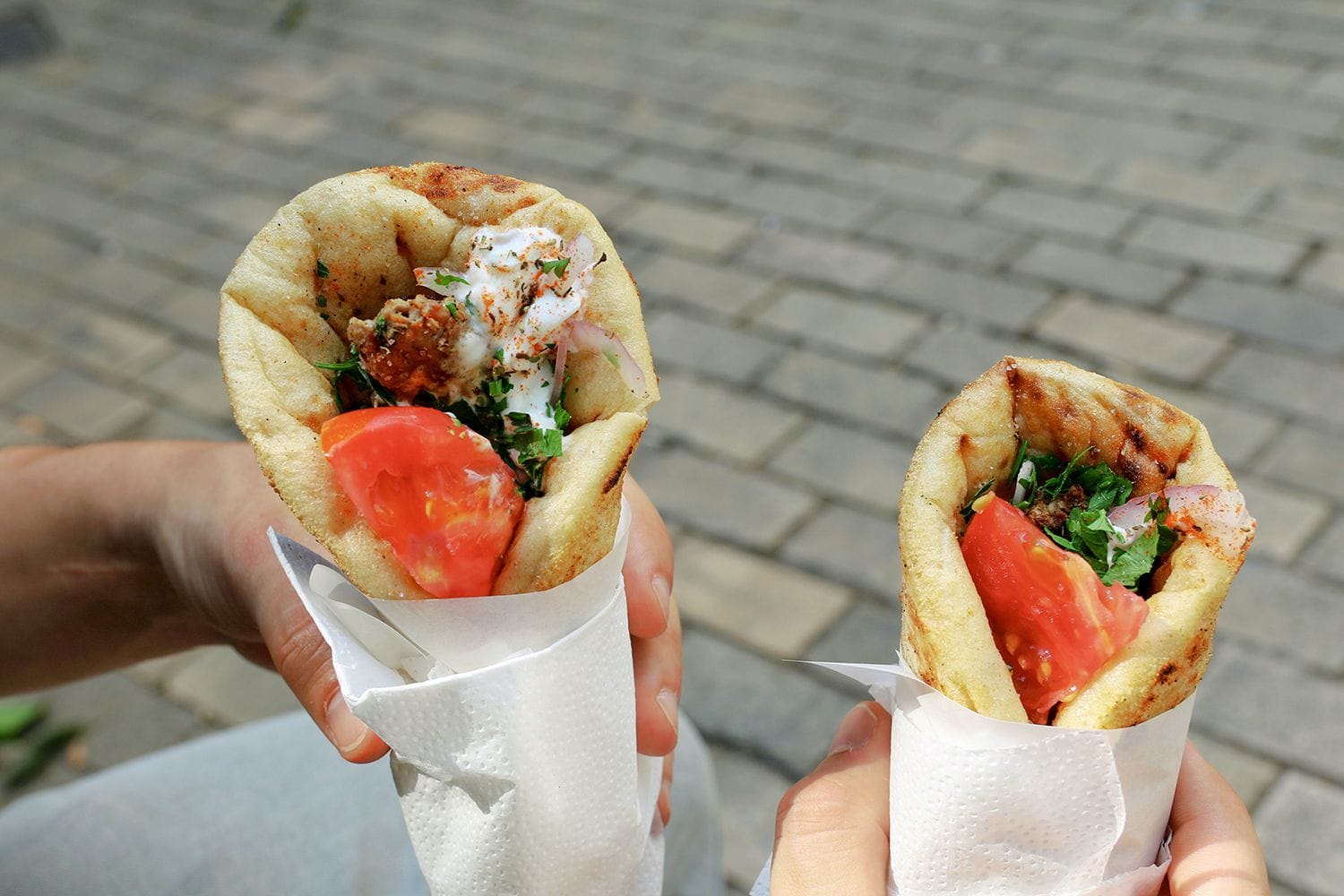
You know it’s early September in Chicago when the scent of roasting meat and warm pita wafts down Halsted Street, luring people toward a tiny shop with a spinning column of marinated goodness. National Gyro Day falls on September 1st every year, but the celebration is less about a single date and more about the journey of a beloved street food that wound its way from the Mediterranean to American cities. Say the word “gyro” and someone will correct your pronunciation – “yee-roh,” they’ll insist – before reminiscing about their favorite spot to grab one. The name itself comes from the Greek word gyros, meaning “turn” or “rotation,” a nod to the vertical rotisserie that slowly spins the meat as it cooks. That detail hints at a lineage that stretches back far beyond Instagram food trends. Some romantics trace gyros to the time of Alexander the Great, when soldiers purportedly skewered meat on their swords and cooked it over open flames, while others point to the 19th century Ottoman Empire’s döner kebab as the more direct ancestor. What’s certain is that modern gyros as we know them wouldn’t exist without waves of Greek immigrants who carried recipes, spices, and culinary pride across the Aegean and the Atlantic.
In the 1920s and ’30s, Greeks displaced from Asia Minor brought their food traditions to mainland Greece. Street vendors in Athens began stacking seasoned slices of pork or beef onto vertical spits, slicing off tender pieces as the outer layer crisped and serving them with tomatoes, onions, and a dollop of creamy tzatziki sauce. Fast, flavorful, and filling, the gyro became a staple of Greek city life. When those same immigrants crossed the ocean seeking opportunity, they brought the gyro along. By the 1960s, you could find gyros in the Greek neighborhoods of New York and Chicago, and by 1970 a humble Chicago restaurant popularized what many consider the first American gyro. Entrepreneur Peter Parthenis of Grecian Delight (later Kronos Foods) saw potential beyond a neighborhood treat; he industrialized gyro production and convinced diners, sports stadiums, and grocery stores that Americans needed this sandwich in their lives. His vision ushered in an era when students grabbed gyros on the way home from class, late-night revelers lined up for a handheld feast, and home cooks experimented with their own versions. Each adaptation – using lamb instead of pork, swapping in chicken, adding french fries or pickled vegetables – testifies to the gyro’s flexibility.
If you’ve never assembled a gyro yourself, the process is both simple and sensual. First, choose your protein: maybe thin shavings of lamb and beef seasoned with garlic, oregano, and lemon; maybe juicy strips of chicken rubbed with paprika; or perhaps a plant-based seitan marinated in olive oil and herbs. The meat is traditionally layered onto a spit and roasted slowly, juices basting the layers as they turn. As the exterior browns, you shave off ribbons of meat that are crispy on the edges and tender within. To build the sandwich, warm a round of soft pita until it’s pliable and fragrant. Smear on tzatziki, that cool concoction of thick yogurt, cucumber, garlic, and dill. Add your meat, then tuck in ripe tomatoes, slivers of red onion, and, if you’re in Greece, a handful of golden french fries. The first bite is a study in contrasts: hot meat against cool sauce, the chew of bread yielding to the crunch of vegetables, and a chorus of herbs that evoke mountainsides and seaside tavernas. Even the sound of tearing foil as you unwrap a to-go gyro can trigger a flood of memories for those who grew up with the dish.
My own introduction to gyros happened far from any Athenian market. It was in a Chicago suburb, in a fluorescent-lit diner where my father would take me after Little League games. The cook behind the counter moved like a dancer, shaving meat from a spit, flicking his wrist to toss vegetables onto pita, and sprinkling oregano with a flourish. I remember watching the rotisserie’s hypnotic spin, the juices hissing as they hit the hot metal, and feeling like I was being let in on a secret. That sandwich, wrapped in wax paper and still steaming by the time we sat down, tasted like nothing I’d had before. It was salty and tangy and messy, the yogurt sauce dripping down my chin as my father laughed and passed me a napkin. Years later, walking through the labyrinthine streets of Athens, I hunted down a gyro in the very place where the dish gained its cultural footing. The pita was softer, the meat marinated in a way that hinted at history, and the tzatziki carried the freshness of just-picked cucumbers. In that moment, I realized how food can travel and adapt while still anchoring you to a place.
Today, National Gyro Day invites us to celebrate that journey. Food trucks might offer fusion versions stuffed with kimchi or barbecue sauce, upscale restaurants might plate deconstructed gyros with artisanal pita and microgreens, and home cook