National Hot Buttered Rum Day
January 17, 2026

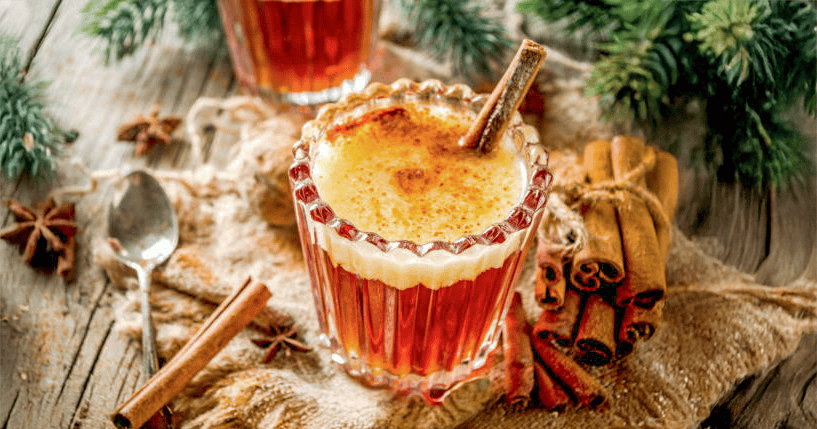
National Hot Buttered Rum Day, observed on January 17, celebrates a drink born from necessity, trade, and the realities of early American life. Rum became deeply embedded in colonial culture during the 17th century, when New England distillers began converting surplus molasses imported from Caribbean sugar plantations into spirits. Molasses was cheap, abundant, and easier to ship than finished sugar, making it an ideal base for fermentation and distillation. By the early 1700s, rum was more common in the colonies than beer or wine, consumed by sailors, farmers, merchants, and politicians alike.
Hot buttered rum emerged as a practical solution to harsh winters and limited heating. Colonists were already familiar with hot toddies made from spirits and water, and adding butter and sugar increased calories and richness. Butter was widely available on farms, while brown sugar and spices like cinnamon, nutmeg, and cloves arrived via global trade routes. The result was a drink that provided warmth, energy, and comfort during long, cold nights. It was served in homes, taverns, and military encampments, especially in northern and coastal regions where winter was most severe.
The drink also reflected the interconnectedness of the Atlantic world. Each ingredient told a story of trade and labor: rum from molasses, sugar from plantations, spices from Asia, and dairy from local farms. Hot buttered rum was not a luxury beverage but a reflection of how early Americans adapted available resources into something sustaining and communal.
By the time of the American Revolution, hot buttered rum was firmly established in tavern culture. Taverns served as gathering places for political debate, business dealings, and social life, and warm alcoholic drinks were especially popular during winter months. Early American cookbooks and household manuals recorded variations of buttered rum, often listing flexible proportions rather than strict measurements. This allowed families to adjust sweetness, strength, and spice depending on availability and taste.
The drink’s endurance can be attributed to its sensory appeal. The melted butter creates a silky texture that softens the sharpness of rum, while brown sugar adds depth and caramel notes. Spices contribute aroma as much as flavor, filling a room with warmth before the mug even reaches the lips. Unlike many cold cocktails, hot buttered rum encourages slow sipping, making it as much about pause and presence as intoxication.
As American drinking habits evolved in the 19th and 20th centuries, rum lost some ground to whiskey and later to lighter spirits. Even so, hot buttered rum survived as a seasonal tradition, especially in New England and along the Pacific Northwest. It became associated with fireplaces, snowfall, and holiday gatherings rather than everyday tavern life. Families passed down personal recipes, sometimes preparing a large batch of spiced butter known as batter, which could be stored and used throughout the winter.
Today, National Hot Buttered Rum Day invites people to revisit a piece of early American culinary history while adapting it to modern tastes. The classic method begins by creaming softened butter with brown sugar, cinnamon, nutmeg, and sometimes cloves or allspice. A small spoonful of this mixture is placed into a mug, followed by dark or aged rum, then topped with boiling water. Stirring melts the butter into a frothy layer that floats on the surface and releases the drink’s aroma.
Contemporary variations reflect regional preferences and creativity. Some cooks replace water with hot apple cider for a fruit-forward version. Others add a splash of vanilla extract or orange zest for brightness. Spiced or blackstrap rums introduce molasses depth, while aged rums contribute notes of oak and caramel. Nonalcoholic versions substitute rum with spiced tea or cider, allowing the flavors and ritual to remain accessible.
Celebrating this holiday does not require elaborate preparation. It can be as simple as warming a mug on a cold evening and taking a moment to slow down. Hot buttered rum represents more than a drink; it reflects how people have long used food and drink to cope with climate, scarcity, and community needs. Each sip connects the present to generations who relied on ingenuity and shared comfort to get through winter.
National Hot Buttered Rum Day serves as a reminder that traditions often begin as practical solutions. What started as a way to stay warm and nourished has become a symbol of seasonal comfort. Whether enjoyed alone or with others, it offers a taste of history and a reason to pause during the coldest part of the year.