National Indian Pudding Day
February 17, 2026

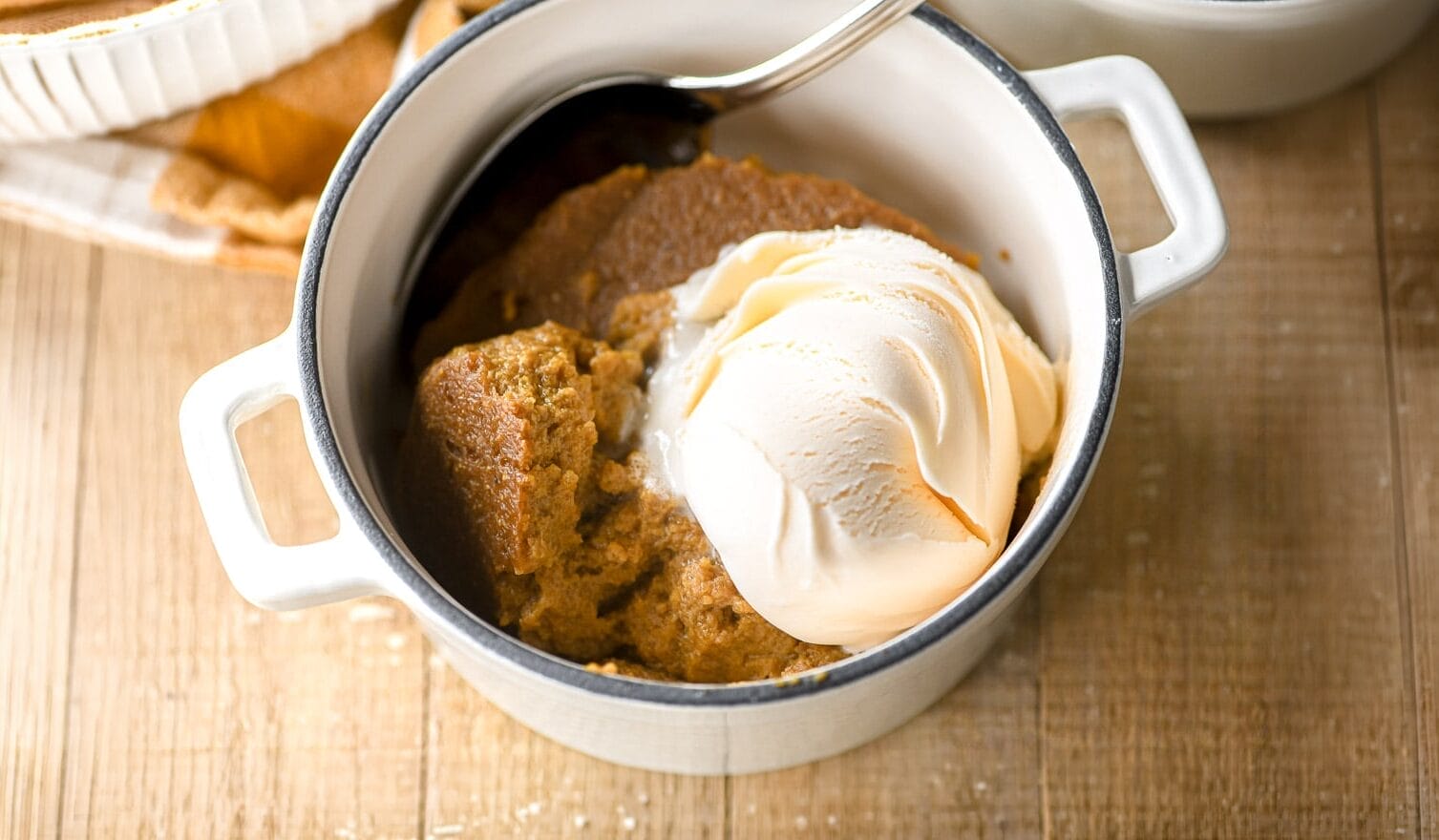
National Indian Pudding Day is observed annually in early February and recognizes a dessert rooted in early American colonial cooking. National Indian Pudding Day highlights a dish that developed from necessity, adaptation, and the blending of European and Indigenous food traditions. Indian pudding is traditionally made from cornmeal, milk, molasses, and spices, slowly baked into a dense custard-like consistency. While it is considered a New England classic today, its origins reach back to the seventeenth century.
The term “Indian” in Indian pudding refers to “Indian meal,” an early colonial phrase for cornmeal. When English settlers arrived in North America, they attempted to recreate familiar wheat-based porridges and puddings. However, wheat did not initially thrive in New England’s climate. Indigenous communities cultivated maize successfully, and colonists adopted cornmeal as a staple ingredient. This substitution marked one of the earliest examples of culinary adaptation in colonial America.
Indian pudding evolved from English “hasty pudding,” a porridge traditionally made from wheat or oats. When wheat was scarce, colonists replaced it with cornmeal and incorporated locally available sweeteners such as molasses. Molasses became widely accessible through Atlantic trade networks, particularly in New England ports. Over time, the pudding transitioned from stovetop porridge to baked custard, enriched with milk and sometimes eggs, and flavored with cinnamon, nutmeg, or ginger.
By the eighteenth and nineteenth centuries, Indian pudding was firmly embedded in New England domestic life. It was often prepared in large batches and baked slowly for several hours, developing deep caramelized flavors. National Indian Pudding Day reflects this layered culinary history, acknowledging a dessert shaped by geography, trade, adaptation, and cultural exchange.
Indian pudding carries cultural significance because it represents one of the earliest distinctly American desserts. Unlike imported European pastries, Indian pudding developed from available ingredients and local conditions. Its reliance on cornmeal reflects the influence of Indigenous agricultural knowledge, while its sweetness and spice profile reveal English culinary preferences.
The dessert also illustrates how food traditions evolve under constraint. Early colonial cooks were not seeking innovation for its own sake. They were adapting to new environments. Cornmeal replaced wheat out of necessity, and molasses provided sweetness when refined sugar was less accessible. These substitutions created a flavor profile that diverged from its European predecessor and gradually formed its own identity.
In New England, Indian pudding became associated with winter meals and communal gatherings. Its long baking time suited the rhythm of wood-fired ovens, which were often heated once and used for multiple dishes. The pudding’s dense texture and warming spices made it particularly appropriate during colder months.
Indian pudding also reflects broader themes of cultural exchange. While the dish is rooted in colonial kitchens, it depends on maize, a crop cultivated by Indigenous peoples long before European arrival. National Indian Pudding Day therefore highlights a complex culinary lineage that includes adaptation, borrowing, and transformation.
Today, Indian pudding is often viewed as a heritage dish rather than an everyday dessert. It appears on historical menus, in regional cookbooks, and at heritage-focused restaurants seeking to preserve early American food traditions. Its endurance speaks to the power of continuity in shaping regional identity.
National Indian Pudding Day remains relevant because it draws attention to foundational American food history. In a culinary landscape often defined by novelty and global fusion, Indian pudding serves as a reminder that American cuisine developed through gradual adaptation rather than instant invention.
The observance also encourages deeper awareness of ingredient history. Cornmeal, molasses, and dairy were not merely pantry items but products of agricultural systems, trade routes, and regional economies. Understanding Indian pudding provides insight into how early American communities organized food production and consumption.
From an SEO perspective, National Indian Pudding Day continues to attract interest each February as readers search for the history of Indian pudding, traditional Indian pudding recipes, and the meaning behind the holiday. The day offers an opportunity to connect regional culinary heritage with broader American food narratives.
National Indian Pudding Day matters because it preserves a dessert that reflects adaptation, resilience, and cultural blending. It honors a dish that emerged from necessity and became a defining element of New England tradition. By revisiting Indian pudding each year, communities maintain a connection to early American kitchens and the layered history embedded in everyday ingredients.
