National Lemon Chiffon Cake Day
March 29, 2026

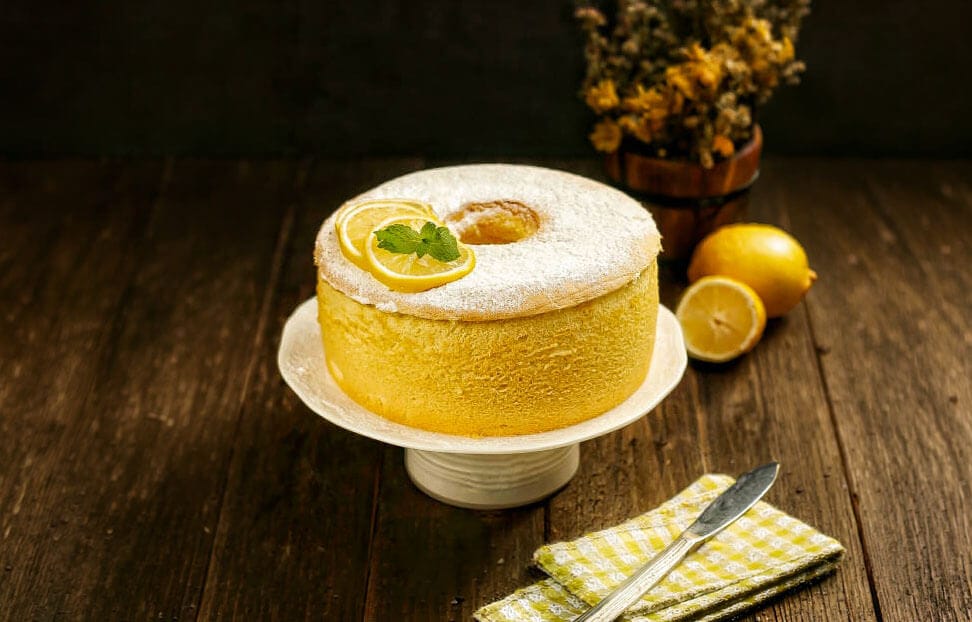
National Lemon Chiffon Cake Day celebrates a relatively modern dessert that represents a shift in baking technique and texture preference. National Lemon Chiffon Cake Day highlights the chiffon cake as a hybrid between sponge cakes and butter cakes, combining light structure with moist richness. This balance is achieved through the use of vegetable oil and whipped egg whites, which together create a distinctive crumb that differs from traditional cakes.
The ingredient microhistory behind chiffon cake begins with its core components: flour, eggs, sugar, oil, and citrus. Unlike butter-based cakes, chiffon cakes rely on oil for fat content, which remains liquid at room temperature. This characteristic contributes to a softer and more tender texture. The use of whipped egg whites introduces air into the batter, allowing the cake to rise without becoming dense.
Lemon plays a central role in flavor development. Citrus fruits have been cultivated for centuries and are valued for their acidity and aromatic oils. Lemon juice and zest provide brightness that balances the sweetness of the cake, creating a flavor profile that feels both light and structured.
The invention of chiffon cake in the early twentieth century reflects changing culinary preferences. Bakers began experimenting with lighter desserts that contrasted with heavier, butter-rich cakes. The chiffon cake represented a technical innovation, requiring careful folding of egg whites into batter to maintain structure.
Technological inflection points made chiffon cake more accessible. Electric mixers allowed for consistent whipping of egg whites, which is essential for achieving the correct texture. Without this technology, producing chiffon cakes at scale would have been more difficult.
National Lemon Chiffon Cake Day reflects how baking evolves through both ingredient choices and technological advancement.
National Lemon Chiffon Cake Day highlights how modern baking depends on interconnected agricultural systems. Wheat farming provides flour, citrus agriculture supplies lemons, and poultry and dairy systems contribute eggs and additional ingredients. These systems operate together to support the production of baked goods.
Sensory anthropology explains the appeal of chiffon cake through its texture. The cake is light but not dry, with a soft crumb that retains moisture due to the presence of oil. The citrus flavor adds brightness, making the dessert feel less heavy than traditional cakes.
Regional comparisons show how chiffon cakes have been adapted globally. Variations include different citrus fruits, flavor infusions, and presentation styles, reflecting local ingredient availability and taste preferences.
A misconception worth correcting is that chiffon cakes are traditional or ancient. In reality, they are a relatively recent development in baking history, representing innovation rather than long-standing tradition.
Technological advancements in baking equipment and ingredient processing contributed to the cake’s spread. Standardized ovens and mixing tools allowed for consistent results, which helped chiffon cakes gain popularity in both home kitchens and commercial bakeries.
Economic resilience is also evident. Chiffon cakes can be produced with widely available ingredients, making them accessible across different markets.
Early 20th century: Chiffon cake is developed as a new baking technique.
Mid 20th century: Recipes become widely distributed through cookbooks and media.
Late 20th century: Variations expand across different cuisines and regions.
21st century: Chiffon cakes remain popular in both traditional and modern baking.
National Lemon Chiffon Cake Day matters because it highlights innovation in baking and the role of technique in shaping food identity. The chiffon cake represents a departure from older methods, demonstrating how new approaches can redefine texture and flavor.
The holiday also emphasizes the importance of ingredient interaction. The combination of oil, egg whites, and citrus creates a structure that cannot be replicated by traditional butter-based recipes.
Sensory anthropology reinforces its appeal through its light texture and balanced flavor.
National Lemon Chiffon Cake Day also reflects broader trends toward lighter desserts and evolving consumer preferences.
Economic resilience ensures that chiffon cakes remain widely accessible due to their reliance on common ingredients.
National Lemon Chiffon Cake Day matters because it celebrates a modern dessert that continues to influence baking practices.
