National Macaron Day
March 20, 2026

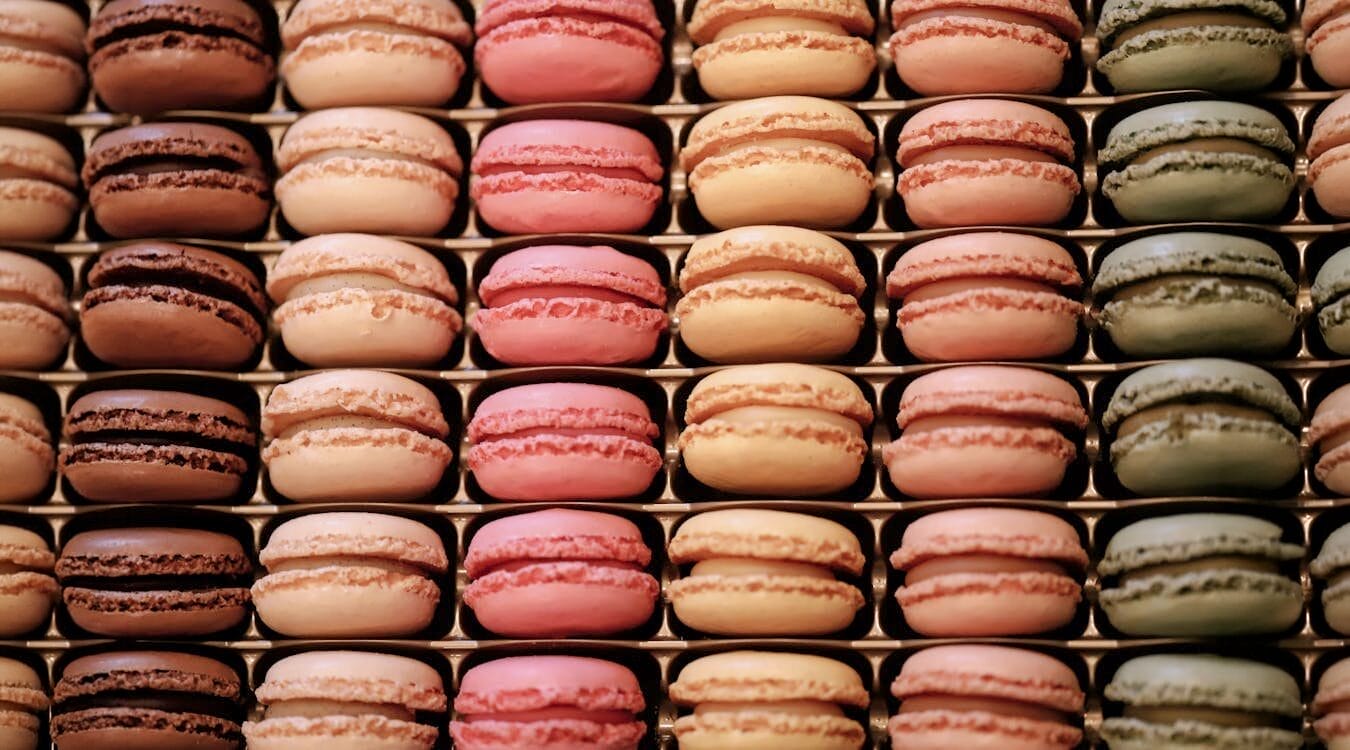
National Macaron Day is observed annually in March and celebrates a delicate confection that represents precision baking, ingredient chemistry, and the influence of French pastry tradition. National Macaron Day highlights the macaron not only as a colorful dessert but also as a product of careful technique that transforms simple ingredients into a refined pastry.
The macaron consists of two almond meringue shells filled with ganache, buttercream, or fruit jam. While often associated with modern French patisserie, the dessert’s roots trace back several centuries. Early forms of almond-based cookies appeared in Europe as sugar and almond imports increased through Mediterranean trade networks.
The ingredient microhistory central to macarons is almond flour. Almond cultivation expanded across Mediterranean climates where the trees thrive in warm, dry conditions. Ground almonds became an essential ingredient in European baking because they contributed moisture, flavor, and texture without relying entirely on wheat flour.
Migration and cultural exchange influenced macaron development significantly. Italian almond cookies are often cited as precursors to the modern French macaron. When these traditions reached France, pastry chefs refined the recipe into the smooth, sandwich-style dessert recognized today.
Technological inflection points shaped macaron baking as well. Precise temperature control in modern ovens allows bakers to produce the characteristic “feet,” the ruffled base that forms when the batter expands during baking. Electric mixers also improved the consistency of meringue, a critical component of the macaron shell.
National Macaron Day reflects the intersection of agricultural ingredients, pastry technique, and the artistry of modern confectionery.
National Macaron Day highlights the agricultural importance of almonds as a global crop. Almond orchards require specific climatic conditions and long growing seasons. Regions such as California, Spain, and parts of the Mediterranean dominate almond production today.
Sensory anthropology explains the macaron’s distinctive appeal. The shells provide a crisp exterior that yields to a soft interior, while the filling introduces creamy or fruity flavors. This combination of textures and aromas contributes to the dessert’s reputation for elegance.
Economically, macarons represent value-added baking. Almond flour, sugar, and eggs are transformed into a high-end confection through skilled labor and careful preparation. This process illustrates how pastry craftsmanship can elevate basic ingredients.
Regional comparisons reveal variations in almond confections. Italian amaretti cookies emphasize chewy texture, while French macarons focus on smooth shells and delicate fillings. These differences highlight how culinary traditions evolve from similar ingredient bases.
A misconception worth correcting is that macarons and macaroons are the same dessert. Macaroons typically use shredded coconut, while macarons rely on almond flour and meringue.
Economic resilience appears in the adaptability of macaron flavors, which range from classic vanilla and chocolate to seasonal fruits and spices.
Ancient period: Almond trees are cultivated throughout the Mediterranean region.
Middle Ages: Almond-based sweets become common in European baking.
16th century: Italian almond cookie traditions spread through Europe.
19th century: French pastry chefs refine the macaron into a filled sandwich cookie.
20th century: Macarons become a hallmark of Parisian patisseries.
Late 20th century: Global pastry culture embraces colorful macaron varieties.
21st century: Macarons remain a symbol of refined dessert craftsmanship.
National Macaron Day matters today because it highlights the craftsmanship involved in modern pastry baking. Achieving the macaron’s smooth shell and airy texture requires careful ingredient measurement and baking technique.
Modern supply chains allow almond flour and other pastry ingredients to remain widely available, though crop yields can fluctuate based on climate and agricultural conditions.
Sensory anthropology reinforces the macaron’s appeal through its balance of crisp shells, creamy fillings, and aromatic flavors.
Misconceptions about macarons being purely decorative desserts overlook the technical skill required to produce them successfully.
Economic resilience continues as bakeries and pastry shops innovate with seasonal flavors and regional ingredients.
National Macaron Day matters because it celebrates the union of agricultural ingredients, baking science, and pastry artistry.
