National Maple Syrup Day
December 17, 2029

Maple syrup is quite literally a gift from trees — a concentrated expression of sunlight, soil, and patience. Long before European settlers arrived in North America, Indigenous peoples of the Northeast were tapping sugar maples, collecting sap in birch bark containers, and boiling it down into syrup and sugar cakes. Early colonists adopted these methods, using heavy iron kettles to produce maple sugar when refined cane sugar was scarce or expensive. Over generations, the practice evolved into a regional craft, and today maple syrup production is centered in Québec and the northeastern United States.
Though National Maple Syrup Day falls on December 17, the sugaring season itself occurs in early spring, when freeze–thaw cycles coax sap to flow through the veins of maple trees. It takes roughly forty gallons of sap to produce a single gallon of syrup. The transformation is slow and mesmerizing: clear sap is boiled down until its sugars caramelize into amber syrup. Modern producers often use reverse osmosis and stainless-steel evaporators to improve efficiency, yet many small sugarhouses still rely on wood-fired evaporators that fill the air with steam and the unmistakable aroma of maple.
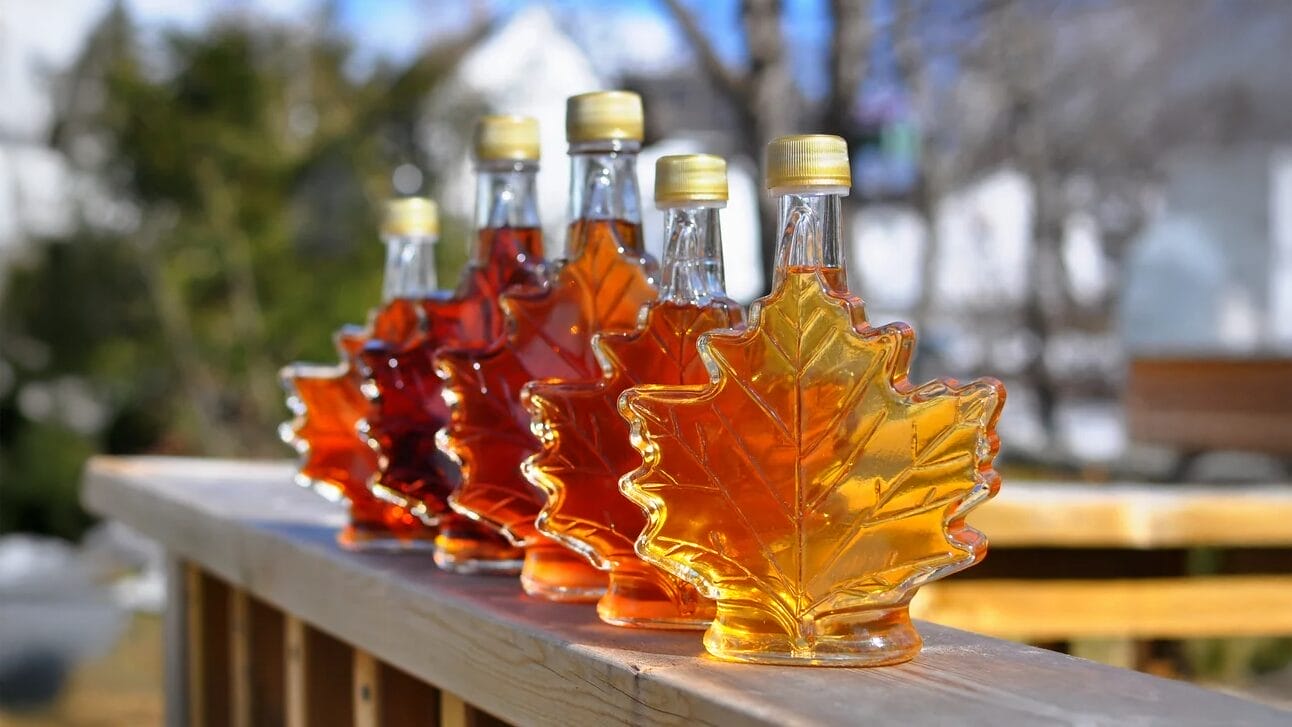
Maple syrup isn’t a one-note sweetener — its flavor changes with the season. Syrup is graded from golden delicate to amber rich to dark robust, each boasting unique aromatics and intensity. Lighter syrups taste buttery and smooth; darker ones lean toward molasses, caramel, and toasted nuts. These differences reflect everything from weather patterns to soil composition.
National Maple Syrup Day invites us to savor more than flavor — it asks us to appreciate the long, careful process behind every bottle. Climate change threatens the freeze–thaw cycles maple trees depend on, making sustainable forestry more important than ever. As you enjoy a spoonful of pure maple syrup, consider the generations who learned to gather sap drop by drop, the families who still tend their sugarbushes, and the trees whose quiet labor makes this golden sweetness possible.