National Mocktail Week
January 11, 2026

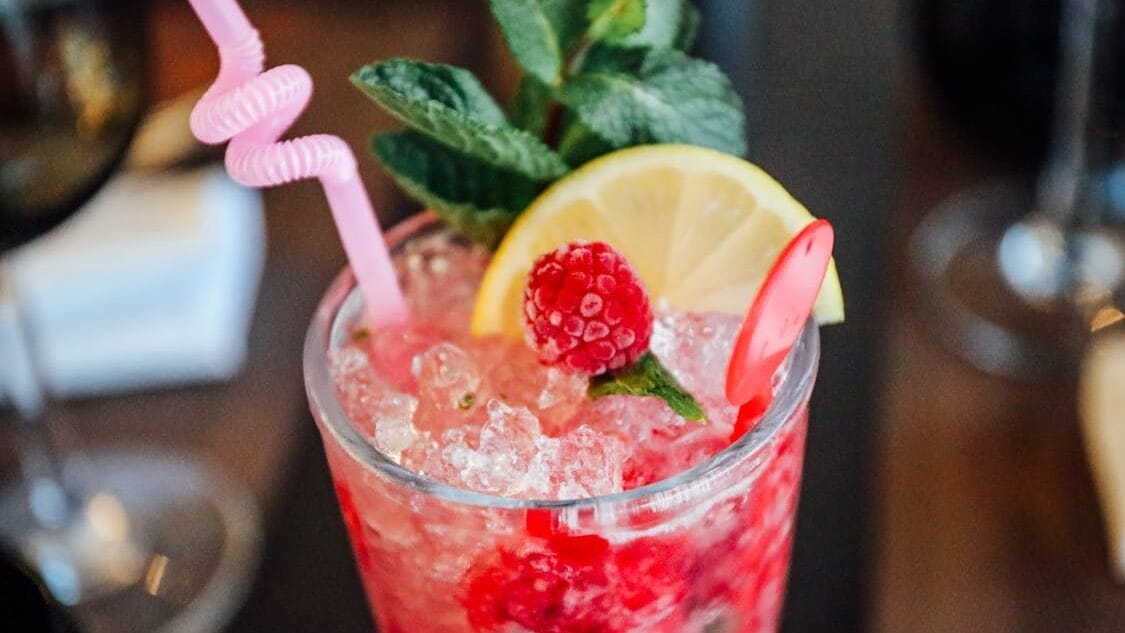
National Mocktail Week celebrates a shift in how people think about drinking, socializing, and hospitality. Mocktails, which are thoughtfully crafted nonalcoholic drinks, are not simply substitutes for cocktails. They represent a growing cultural movement toward inclusivity, wellness, and intention. For much of modern history, social drinking revolved around alcohol, often leaving non-drinkers with limited options such as soda or juice. Mocktails challenge that norm by offering complexity, presentation, and flavor without alcohol.
The roots of nonalcoholic beverages stretch back centuries. Long before distilled spirits became common, people drank shrubs made from vinegar and fruit, herbal tonics, spiced teas, and fermented drinks with little to no alcohol. In the 19th century, temperance movements inspired bartenders to create elaborate alcohol-free drinks that mirrored the structure of cocktails. These early mocktails featured fresh citrus, syrups, egg whites, bitters made without alcohol, and layered presentation. National Mocktail Week builds on this history, reframing it for a modern audience that values choice and balance.
Today, the popularity of mocktails is driven by several overlapping trends. Health awareness has increased, with many people seeking to reduce alcohol consumption for physical, mental, or emotional reasons. Others avoid alcohol due to pregnancy, medication, religious beliefs, or personal preference. Younger generations, in particular, are redefining social norms by prioritizing clarity and well-being over excess. Mocktails make space for all of these choices without sacrificing enjoyment or ritual. National Mocktail Week recognizes that celebration does not require intoxication and that flavor, creativity, and connection can stand on their own.
A well-made mocktail is built with the same care and structure as a cocktail. Balance is key. Instead of relying on alcohol for body and bite, mocktails use acidity, bitterness, sweetness, texture, and aroma to create depth. Citrus juices such as lemon, lime, or grapefruit provide brightness. Herbs like mint, basil, rosemary, and thyme add freshness and complexity. Spices, teas, and botanical infusions contribute warmth and nuance.
Modern mocktails often incorporate ingredients once reserved for high-end bars. Shrubs made from fruit and vinegar add tang and richness. House-made syrups flavored with ginger, honey, lavender, or chili offer layered sweetness. Sparkling water or tonic introduces effervescence and lift. Nonalcoholic bitters and aperitif alternatives provide bitterness that mimics traditional cocktail profiles without alcohol. Texture can be enhanced with ingredients like aquafaba, which creates a silky foam similar to egg white, or muddled fruit that adds body.
Presentation matters just as much as flavor. A mocktail served in a proper glass with ice, garnish, and intention signals that the drink is a feature, not an afterthought. Citrus peels, edible flowers, dehydrated fruit, and fresh herbs engage the senses before the first sip. During National Mocktail Week, bars and home hosts alike are encouraged to elevate nonalcoholic drinks to the same level of care as their alcoholic counterparts. Doing so sends a clear message that everyone at the table deserves a thoughtful experience.
Mocktails also invite creativity in ways cocktails sometimes do not. Without alcohol as a dominant flavor, ingredients can shine more clearly. A cucumber and lime mocktail tastes unmistakably fresh. A hibiscus iced tea spritz carries floral tartness without interference. A smoked rosemary lemonade delivers aroma and drama without heaviness. National Mocktail Week is an ideal time to experiment, refine techniques, and rethink what a celebratory drink can be.
National Mocktail Week offers an opportunity to engage with drinking culture in a more mindful and inclusive way. For individuals, celebration can be as simple as committing to alcohol-free drinks for the week and exploring new flavor combinations. Try building a mocktail the same way a bartender would: choose a base, add acidity, balance with sweetness, introduce a bitter or herbal note, and finish with texture or bubbles. Keeping a few versatile ingredients on hand makes experimentation easy.
At home, hosting a mocktail night can be both social and educational. Set up a mocktail bar with fresh juices, syrups, herbs, sparkling water, and garnishes. Provide recipe cards or encourage guests to invent their own combinations. This format removes pressure around drinking choices and often sparks conversation about taste, creativity, and personal habits. National Mocktail Week is especially well suited for gatherings where people of all ages or backgrounds are present.
Restaurants, cafes, and bars can participate by highlighting nonalcoholic menus rather than relegating them to a single option. Offering mocktail pairings with meals, seasonal specials, or tasting flights reinforces that alcohol-free drinks belong in serious culinary spaces. Many establishments use National Mocktail Week to test new recipes and gather feedback, recognizing the growing demand for sophisticated nonalcoholic options.
Beyond the glass, the week invites reflection on why and how people drink. It encourages a culture where opting out of alcohol requires no explanation and where enjoyment is not measured by intoxication. Mocktails make celebrations more accessible, support healthier habits, and allow people to remain fully present. National Mocktail Week ultimately reframes the idea of indulgence, showing that pleasure can come from flavor, craft, and shared experience rather than alcohol alone.
By the end of the week, many people discover that mocktails are not a compromise but an expansion of choice. They offer a way to celebrate with intention, creativity, and inclusivity. Whether you shake up a citrus spritz, sip a spiced tea cooler, or toast with a sparkling herbal infusion, National Mocktail Week is a reminder that the best drinks are the ones that make everyone feel welcome.