National Moscow Mule Day
March 3, 2027

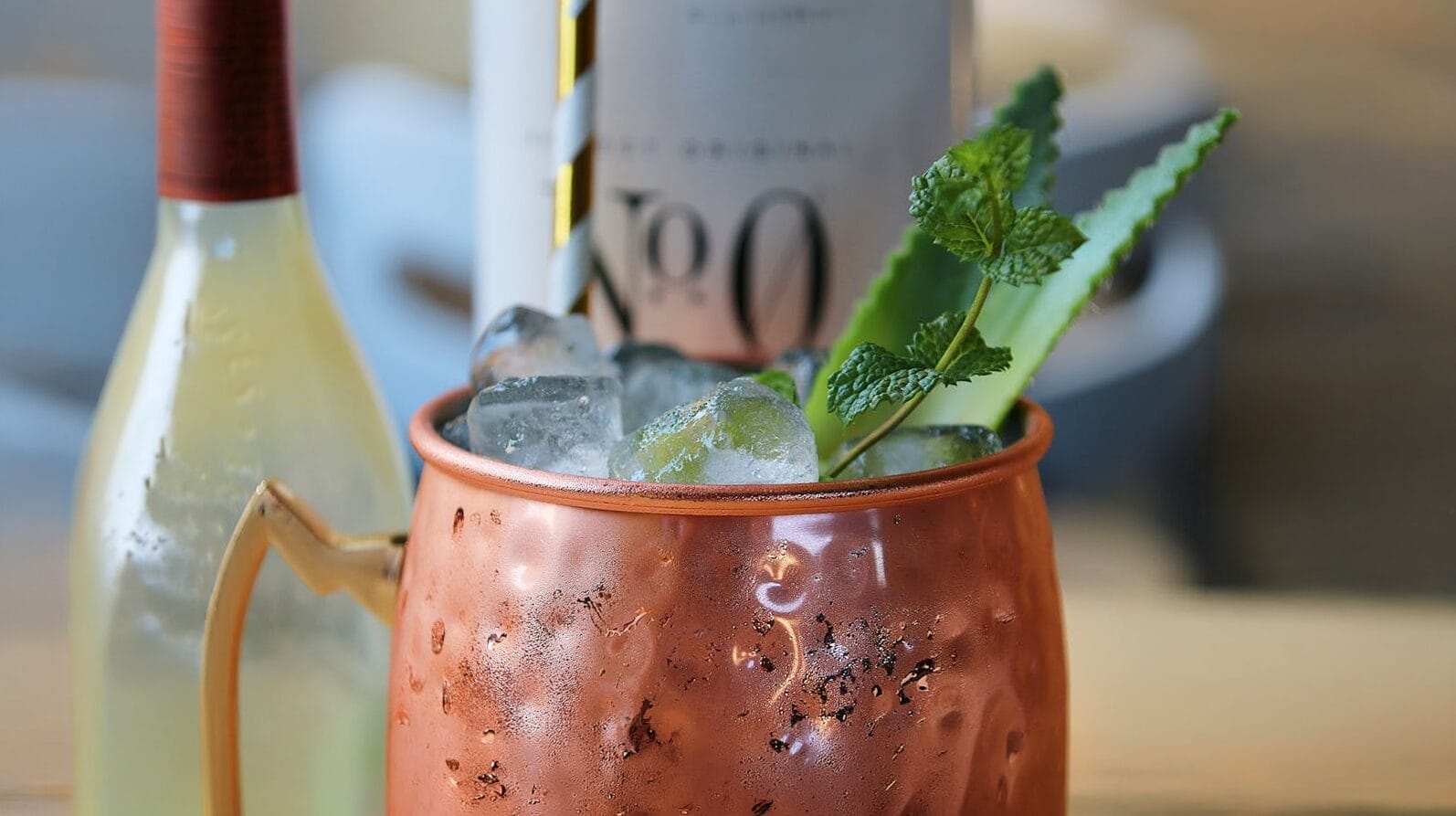
National Moscow Mule Day is observed in March and celebrates a cocktail that helped shape modern American drinking culture through branding, supply chains, and a very specific sensory experience. National Moscow Mule Day highlights a drink built around vodka, ginger beer, and lime, often served in a copper mug that amplifies cold temperature and reinforces the cocktail’s identity.
The Moscow Mule emerged in the United States during the 1940s, a period when vodka was not yet a dominant spirit in American bars. The cocktail is often discussed as a key driver of vodka’s rise in the American market. Its structure follows a simple logic: spirit for base strength, ginger for aromatic heat, lime for acidity, and carbonation for lift.
The ingredient microhistory that matters most here is vodka’s market migration. Vodka’s Eastern European roots are older, but its mainstream American presence expanded later through import and domestic production strategies. A cocktail that made vodka feel approachable, clean, and mixable helped shift consumer behavior from whiskey and gin dominance toward vodka’s neutrality.
Ginger beer adds another historical layer. Ginger as a traded spice moved through colonial routes for centuries, and ginger beverages evolved as both medicinal and recreational drinks. In cocktail form, ginger beer provides a sharp aromatic bite driven by volatile compounds that register as heat and freshness, which pairs well with lime’s acidity and vodka’s restrained profile.
Technological inflection points also shaped the Moscow Mule’s success. Commercial carbonation and bottled mixers made consistent ginger beer available. Mass production of copper mugs created a recognizable serving vessel. Refrigeration and ice distribution ensured the drink could deliver its signature cold shock reliably in bars.
National Moscow Mule Day reflects how a cocktail can be more than a recipe. It can be a cultural product engineered through packaging, distribution, and a sensory experience that feels instantly distinctive.
National Moscow Mule Day highlights a key truth about cocktail culture: consumer adoption often follows ease and repeatability. The Moscow Mule is simple to build and easy to recognize, which makes it ideal for widespread bar replication. Its flavor profile is also broad-appeal: bright, cold, lightly sweet, and sharply aromatic.
From a sensory anthropology standpoint, the copper mug is not a gimmick. Metal conducts temperature quickly, and the cold sensation becomes part of the drink’s identity. The aroma of ginger rises with carbonation, while lime sharpens the edges. The experience is as tactile as it is flavorful, which helps explain why the Moscow Mule became memorable.
Agriculturally and economically, the cocktail sits on global networks. Vodka can be made from grains or other starches, connecting it to commodity agriculture. Ginger and limes depend on tropical and subtropical cultivation, subject to weather volatility and transport timing. The drink is therefore a meeting point of domestic and imported supply chains.
Regional comparisons help clarify why the Moscow Mule found such traction. In markets where whiskey cocktails were heavy and spirit-forward, the Mule offered an alternative that felt lighter and more refreshing. In warmer regions, the cold, carbonated format matched climate-driven drinking habits. The cocktail’s rise aligns with changing social preferences toward high refreshment and lower perceived heaviness.
A misconception worth correcting is that the Moscow Mule is Russian in origin. The name references vodka’s perceived association, but the drink’s origin and early popularity are American. Understanding that distinction matters because it shows how naming and branding can create imagined geography that influences consumer behavior.
Economic resilience shows up in the cocktail’s adaptability. Bars can adjust ginger beer sweetness, lime intensity, and spirit type while preserving the Mule structure. That flexibility allows the drink to persist through ingredient price swings and changing taste trends.
Pre-20th century: Vodka develops as a major spirit category in parts of Eastern Europe, while ginger beverages evolve through global spice trade.
Early 20th century: Carbonated mixers become more standardized and widely distributed, supporting consistent cocktail building.
1940s: The Moscow Mule emerges in the United States and gains popularity as a vodka-forward but approachable drink.
Mid 20th century: Vodka grows in American markets, supported by cocktails that emphasize neutrality and mixability.
Late 20th century: The Mule becomes a recognizable template with variations, supported by widespread availability of ginger beer.
21st century: Craft cocktail revival re-centers fresh lime and quality ginger beer, expanding premium Mule interpretations.
Present day: The Mule remains a staple, with the copper mug serving as a branding and sensory anchor across bars and restaurants.
National Moscow Mule Day matters today because it highlights how modern cocktail classics are often products of distribution and sensory design as much as taste. The Moscow Mule persists because it delivers a predictable experience: cold, bright, aromatic, and easy to drink without requiring specialized knowledge.
Sensory anthropology remains central to its appeal. The cold metal mug, the carbonation bite, and the ginger heat create layered sensations that keep the drink from feeling flat. These cues translate well across settings, which is why the Mule works in casual dining as well as cocktail bars.
Modern supply chains keep the drink stable, but they also create vulnerabilities. Lime price spikes and ginger supply variability can influence how bars adjust recipes. The Mule’s structure allows adaptation, which is one reason it survives economic and logistical shifts.
Misconceptions about the cocktail’s origin and meaning can be corrected through the holiday. The Moscow Mule is not a relic of old-world tradition. It is a mid-century American innovation that helped define the market path for vodka in the United States.
Economic resilience also appears in how the Mule template supports variations. By swapping spirits or adjusting sweetness, the format can align with local preferences and seasonal menus while retaining its recognizable identity.
National Moscow Mule Day matters because it honors a cocktail that demonstrates how branding, infrastructure, and sensory design can transform a simple mix of spirit, citrus, and spice into a lasting cultural staple.

