National Mulled Wine Day
March 3, 2026

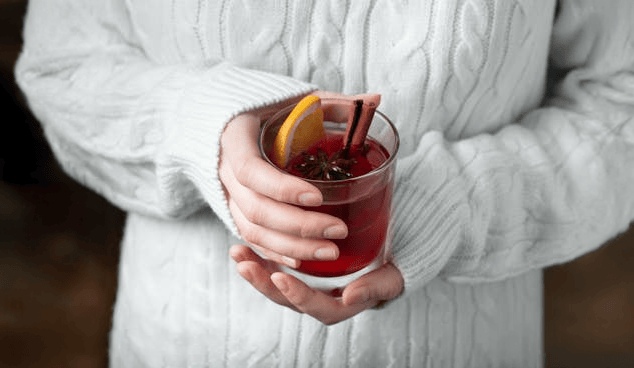
National Mulled Wine Day is observed in March and celebrates a warm spiced beverage that connects preservation, trade, and winter social ritual. National Mulled Wine Day highlights mulled wine as a technique rather than a single recipe. It involves heating wine gently with aromatics, typically spices and citrus, to create a drink that feels both festive and functional in cold weather.
Mulled wine has deep historical roots across Europe, with variations appearing in different regions under different names. The practice aligns with two longstanding realities: wine could be harsh or inconsistent in quality, and spices could transform flavor while also signaling status. Heating wine with additions could soften rough edges, add sweetness and aroma, and create a shared pot for gatherings.
The ingredient microhistory central to mulled wine is spice trade. Spices such as cinnamon, cloves, and nutmeg traveled long distances through complex trade networks for centuries, carrying both economic power and cultural symbolism. These spices were once expensive, and their use in wine signaled access and celebration. Over time, as global trade expanded and spices became more accessible, mulled wine moved from elite novelty toward broader seasonal tradition.
Citrus adds another trade layer. Citrus cultivation and distribution expanded as transport improved, and citrus peel became a valued aromatic element in beverages and desserts. In mulled wine, citrus provides acidity and bright top notes that cut through the wine’s sweetness and warmed alcohol perception.
Technological inflection points changed how mulled wine could be made and shared. Improved glass production, reliable cookware, and later indoor heating culture influenced gathering habits. Modern retail also introduced pre-mixed spice blends and bottled versions, making mulled wine accessible to people without deep spice pantries.
National Mulled Wine Day reflects the cultural logic of warmth and aroma. It celebrates how heating, spicing, and sharing wine became a seasonal ritual shaped by trade routes, ingredient availability, and the human need for comfort during cold months.
National Mulled Wine Day highlights mulled wine as a social beverage. It is rarely served as a solitary drink. It is built for sharing, for holding in cups, and for the aroma that fills a room. Sensory anthropology explains why it works: warm alcohol carries volatile spice compounds upward, creating a fragrant atmosphere that becomes part of the experience rather than a background detail.
Agriculturally, mulled wine depends on grape production and wine economics. Wine quality varies by region, weather, and harvest outcomes. Historically, spicing and sweetening could make rough wine more enjoyable, which is a practical and economic function. That does not mean mulled wine is about hiding bad wine today, but it helps explain why the technique emerged and persisted.
Spices and citrus connect mulled wine to global agriculture. Cinnamon and cloves depend on tropical growing regions. Citrus depends on warmer orchards. Sugar, often included, has its own trade history through cane and beet systems. A pot of mulled wine is therefore a meeting point of vineyards, orchards, and spice routes.
Regional comparisons show how the technique adapts. In parts of Central Europe, mulled wine traditions emphasize specific spice blends and market stalls during winter festivals. In the Nordic region, variations may include stronger spirits or different aromatics. In the United Kingdom, mulled wine is tied to seasonal gatherings and holiday markets. The structure is consistent, but the flavor identity reflects local habits and available ingredients.
A misconception worth correcting is that mulled wine must be boiled. Boiling drives off delicate aromatics and changes alcohol balance. Traditional practice emphasizes gentle heating to preserve aroma and avoid harshness. Another misconception is that mulled wine is an ancient fixed recipe. It is better understood as a method, and methods naturally shift with ingredient access and taste.
Economic resilience appears in mulled wine’s ability to turn modest ingredients into a high-impact experience. A few spices and citrus can make a relatively simple wine feel festive, which is why the technique remains popular during periods when people seek warmth and celebration without high expense.
Ancient and medieval periods: Heated and spiced wine practices appear in various forms as wine is flavored to improve taste and align with seasonal needs.
Medieval to early modern era: Spice trade expands, making aromatic additions both a luxury marker and a flavor tool in elite contexts.
17th to 19th centuries: Spices become more accessible through trade expansion, supporting wider adoption of spiced wine traditions.
19th century: Urban winter markets and public gatherings help formalize seasonal hot beverage culture in European cities.
20th century: Home heating and modern cookware make mulled wine easier to prepare indoors, while commercial products begin to appear.
Late 20th to 21st century: Holiday market culture and travel spread regional mulled wine styles internationally.
Present day: Ingredient transparency and craft beverage trends encourage fresh spice blending and higher-quality base wines.
National Mulled Wine Day matters today because it celebrates a method that turns beverage consumption into atmosphere. Mulled wine is not only a taste. It is warmth in the hands, spice in the air, and a shared pot that invites conversation. This is a cultural function that persists even as drink trends change.
Modern supply chains keep spices and citrus widely available, which allows mulled wine to be reproduced across regions. At the same time, supply disruptions can influence spice pricing and citrus quality, reminding consumers that familiar seasonal traditions depend on global agriculture and transport.
Sensory anthropology remains central. Heating wine changes how aroma is perceived and how sweetness and acidity balance on the palate. The spices provide top notes and lingering warmth that make the drink feel more complex than its ingredient list suggests.
Misconceptions can be clarified through the holiday. Mulled wine is not simply a holiday gimmick, and it is not a single standardized recipe. It is a preservation-era technique adapted into modern celebration. Understanding that history gives the drink more meaning than seasonal novelty.
Economic resilience also keeps it relevant. Mulled wine can create a festive experience from relatively modest materials, which fits moments when communities want warmth and togetherness without high expense.
National Mulled Wine Day matters because it honors a spiced wine tradition shaped by trade routes, vineyard economics, and the social power of shared warmth, showing how a simple method became a lasting seasonal ritual.

