National Mustard Day
August 1, 2026

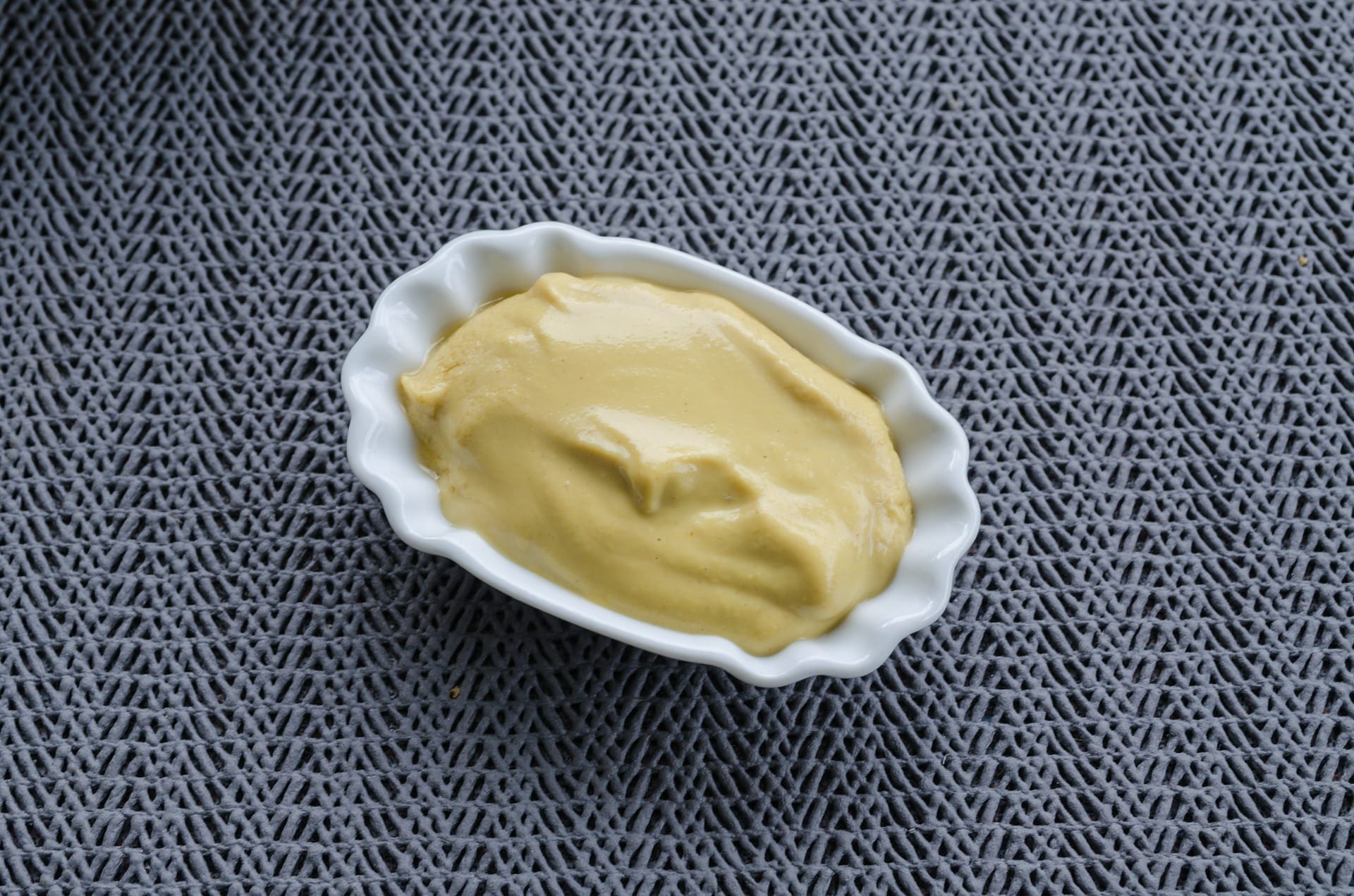
Imagine standing in front of a display of mustard jars at the National Mustard Museum in Middleton, Wisconsin. There are hundreds: smooth Dijons, grainy old‑world blends, bright yellow ballpark mustard, fiery Chinese mustard, even fruit mustards tinged blue. Each jar tells a story that stretches back thousands of years to a tiny seed. Wild mustard seeds have been eaten since at least 10,000 years ago; ancient Egyptians ground them into pastes, Greek physicians prescribed them as medicine, and Roman cooks mixed them with wine and crushed nuts to create pungent sauces. Medieval monks in France discovered that soaking seeds in verjuice — unfermented grape juice — tamed their bitterness; the resulting moutarde got its name from moût, the French word for must. By the thirteenth century the town of Dijon had become so renowned for its mustard that Pope John XXII appointed a relative as Grand Moutardier of France. English mustard evolved along a different path; in the eighteenth century Durham miller Mrs. Clements began milling brown and white mustard seeds into a fine flour, creating a snappier condiment that became a staple of British taverns. Across the world, Chinese cooks stirred mustard powder into oil or soy sauce to make a fiery dipping sauce for dim sum. In India, whole mustard seeds were tempered in hot oil to perfume curries. Mustard seeds are the spice world’s shape‑shifters, transforming into condiments, medicines and even emulsifiers for salad dressings.
The modern prepared mustards we squeeze onto hot dogs owe their bright color to an American innovation. When vendors at the 1904 St. Louis World’s Fair slathered a new yellow mustard onto sausages, the condiment — spiked with turmeric for extra brightness — became an instant hit. Around the same time in Middleton, Wisconsin, advertising executive Barry Levenson fell in love with mustard. After losing his job, he began collecting jars from around the world and eventually opened the National Mustard Museum. In 1991 he launched a street festival to celebrate his favorite condiment and raise funds for charity. That event evolved into National Mustard Day, held on the first Saturday in August, complete with mustard‑tasting booths, live music and games like Mustard Ring Toss. Today the festival attracts thousands of visitors who sample mustards from France, Germany, China, India and beyond. National Mustard Day has become a playful homage to a seed that has crossed continents and cuisines. On this day you might whisk Dijon into a vinaigrette, rub mustard powder onto ribs, stir whole seeds into pickles or simply squeeze a zigzag of yellow onto a grilled bratwurst.
Some may joke that mustard is just a condiment, but it’s a reminder of how food travels and transforms. A single plant from the Brassica family has spawned condiments that define regional cuisines, from the spicy mustard oil that scents Bengali fish curries to the tangy beer mustards of the American Midwest. So celebrate National Mustard Day by exploring the world on your plate. Taste the earthy heat of whole grain mustard with cheese, the silky smoothness of Bavarian sweet mustard with sausages, or the vinegary snap of yellow mustard on a corn dog at a fair. As you savor the sharpness that tingles your nose and lingers on your tongue, think about how a tiny seed can connect ancient civilizations, medieval monasteries, American ballparks and a quirky museum in Wisconsin. Mustard has a way of cutting through richness and waking up our palates — and on its own holiday it invites us to wake up to the history in our kitchen cupboards.