National Noodle Month
March 1, 2031

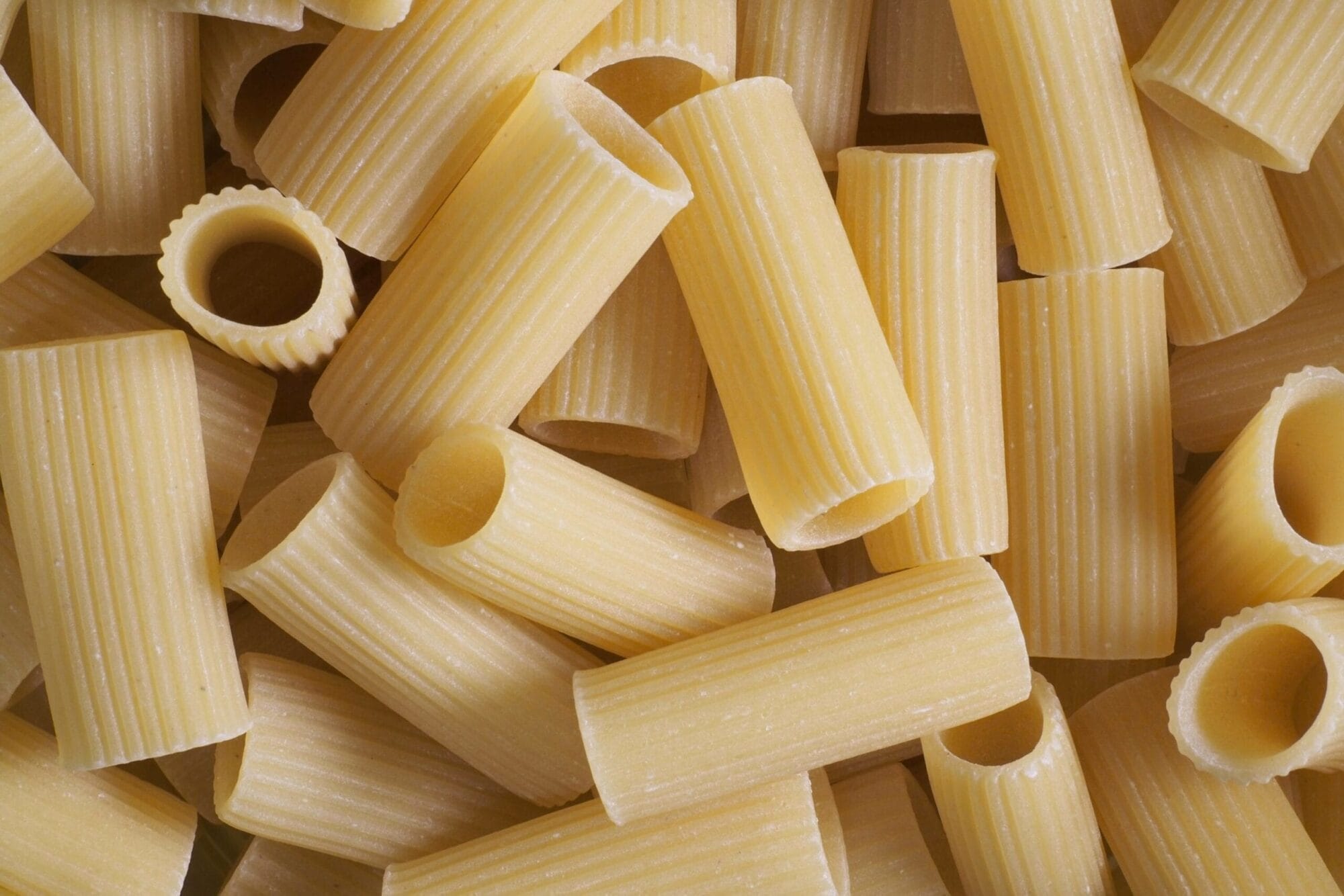
National Noodle Month is observed in March and celebrates noodles as one of the most globally shared food forms, a category that connects ancient grain processing, migration, industrial milling, and modern convenience. National Noodle Month is not just about a single dish. It highlights a technique that turns flour or starch into shelf-stable strands, sheets, or ribbons designed to carry flavor, absorb broth, and provide texture that people recognize across cultures.
Noodles likely developed wherever three conditions overlapped: storable grain or starch, access to water, and a cooking surface capable of boiling or steaming. Wheat-based noodles are strongly associated with China and Central Asia, but the broader noodle idea appears in multiple places as independent solutions to the same problem: how to turn agricultural calories into a portable, repeatable meal structure.
The ingredient microhistory that matters most for noodles is flour. Wheat flour quality is shaped by protein content and milling fineness, both of which determine chew, elasticity, and cooking tolerance. In wheat noodle traditions, gluten formation creates structure. In rice or starch noodle traditions, gelatinized starch provides body instead. This difference is not a minor detail. It is the core of why ramen behaves differently than rice vermicelli.
Migration and trade routes expanded noodle diversity. Wheat moved along ancient trade corridors that linked East Asia, Central Asia, and the Mediterranean. As people moved, they carried techniques rather than exact recipes. A method like pulling, cutting, or extruding dough can cross borders, then adapt to local grains, local fats, and local broths.
Technological inflection points reshaped noodles in the modern era. Industrial roller milling created consistent flour that allowed standardized noodle textures at scale. Later, mechanized extrusion and drying systems created shelf-stable noodles that could be transported globally with predictable cooking times. Instant noodles, introduced in the mid twentieth century, marked another shift by engineering noodles specifically for rapid rehydration.
National Noodle Month reflects this layered evolution from ancient grain processing to global industrial distribution. It celebrates noodles as an agricultural technology, a cultural carrier, and a sensory experience that can be recognized even when the seasoning changes completely.
National Noodle Month highlights noodles as a cultural structure for meals. In many cuisines, noodles act like a neutral framework that makes other ingredients meaningful. Broth, sauce, aromatics, and toppings become more legible when there is a consistent base texture underneath them. That is a sensory anthropology point as much as a culinary one. People remember noodle chew, slipperiness, and stretch even when they cannot name the ingredients.
Agriculturally, noodle systems mirror regional crops. Wheat dominates in many northern climates where it grows well and stores easily. Rice dominates in many humid regions where paddy agriculture is central. Starches from mung bean, sweet potato, and cassava appear where those crops are abundant and where processing traditions developed to turn them into transparent or springy noodles. National Noodle Month is therefore a map of crop geography translated into texture.
Economically, noodles scale efficiently. Dried noodles are stable, lightweight, and transport-friendly. That stability allowed noodles to become trade goods and later mass retail goods. Instant noodles took this further by pairing engineered noodles with seasoning packets, creating a low-cost product that could feed urban populations quickly. The economic resilience layer is obvious in many countries where instant noodles function as emergency food during disruptions or as a budget staple during downturns.
Regional comparisons show how noodle identity forms. Italian pasta emphasizes durum wheat semolina and shaped extrusion, designed to cling to sauce and hold structure al dente. Japanese ramen emphasizes wheat noodles paired with broth systems built on fat emulsions and umami. Chinese noodle traditions include pulled noodles, knife-cut noodles, and delicate wheat strands served in light soups. Southeast Asian rice noodles often highlight aromatics and acidity in broths and stir-fries. These are not interchangeable. Each noodle type encodes local grains, local fuel, and local dining habits.
A misconception worth clarifying is that noodles are basically the same as pasta. Pasta is one noodle tradition with specific flour and drying standards. Many noodles are not wheat-based at all, and their cooking behavior is driven by starch gelatinization rather than gluten. Another misconception is that instant noodles are inherently nutritionally empty. The noodle itself is primarily carbohydrate, but nutritional outcomes depend on preparation, portioning, and what is added. National Noodle Month can acknowledge these realities without moralizing them.
National Noodle Month matters culturally because noodles appear in celebrations and everyday meals, but also because noodles express how societies manage time. Long-simmered broths and handmade noodles signal labor and care. Quick-cook dried noodles signal efficiency. Both are authentic expressions of the same food logic: deliver calories and comfort through repeatable texture.
Ancient era: Grain grinding and simple dough preparations establish the foundation for boiled starch foods in multiple regions.
Early imperial periods: Wheat noodle techniques expand in parts of East Asia and Central Asia, while other regions develop their own starch strand traditions.
Medieval period: Trade routes spread wheat, spices, and cooking methods, allowing noodle styles to diversify and regionalize.
18th to 19th centuries: Improved milling and drying practices increase consistency and shelf stability, supporting wider distribution.
Late 19th to early 20th century: Mechanized extrusion and standardized flour blending enable industrial-scale noodle production.
Mid 20th century: Instant noodle engineering introduces rapid rehydration and seasoning systems designed for speed and portability.
Late 20th to 21st century: Globalization expands cross-cultural noodle fusion, while artisan revival movements re-center handmade methods and regional authenticity.
National Noodle Month remains relevant because noodles sit at the intersection of affordability, convenience, and cultural depth. In a global economy where food prices fluctuate, dried noodles provide predictable calories with minimal spoilage risk. That is a resilience feature, not just a convenience feature.
Modern supply chains also make noodle diversity more accessible. Regional noodle types once limited to local markets now appear in mainstream grocery aisles because of improved logistics and packaging. At the same time, this global access can flatten differences if products are standardized for mass appeal. National Noodle Month provides a reason to notice the distinctions again.
From a sensory perspective, noodles remain one of the clearest examples of texture as identity. Broth and sauce can vary endlessly, but the mouthfeel of a noodle signals tradition instantly. Chewy wheat, slippery rice, springy starch gels, and ridged pasta each carry different expectations of what the meal should feel like.
Technological change continues to reshape noodles through protein enhancement, alternative grains, and new drying techniques. These innovations respond to consumer interest in different nutrition profiles and cooking speeds. The core principle remains unchanged: convert agricultural starch into a repeatable, transportable form that delivers satisfaction.
Misconceptions about noodles often reduce them to empty carbohydrates. That framing ignores the role noodles play as a platform for vegetables, proteins, broths, and fermented seasonings. National Noodle Month can frame noodles as structure rather than endpoint, a foundation that makes balanced meals possible across economic levels.
National Noodle Month matters because it honors a food form that has fed cities, supported trade, and carried cultural memory through migration. Noodles are not just popular. They are infrastructural.

