National Oranges and Lemons Day
March 31, 2029

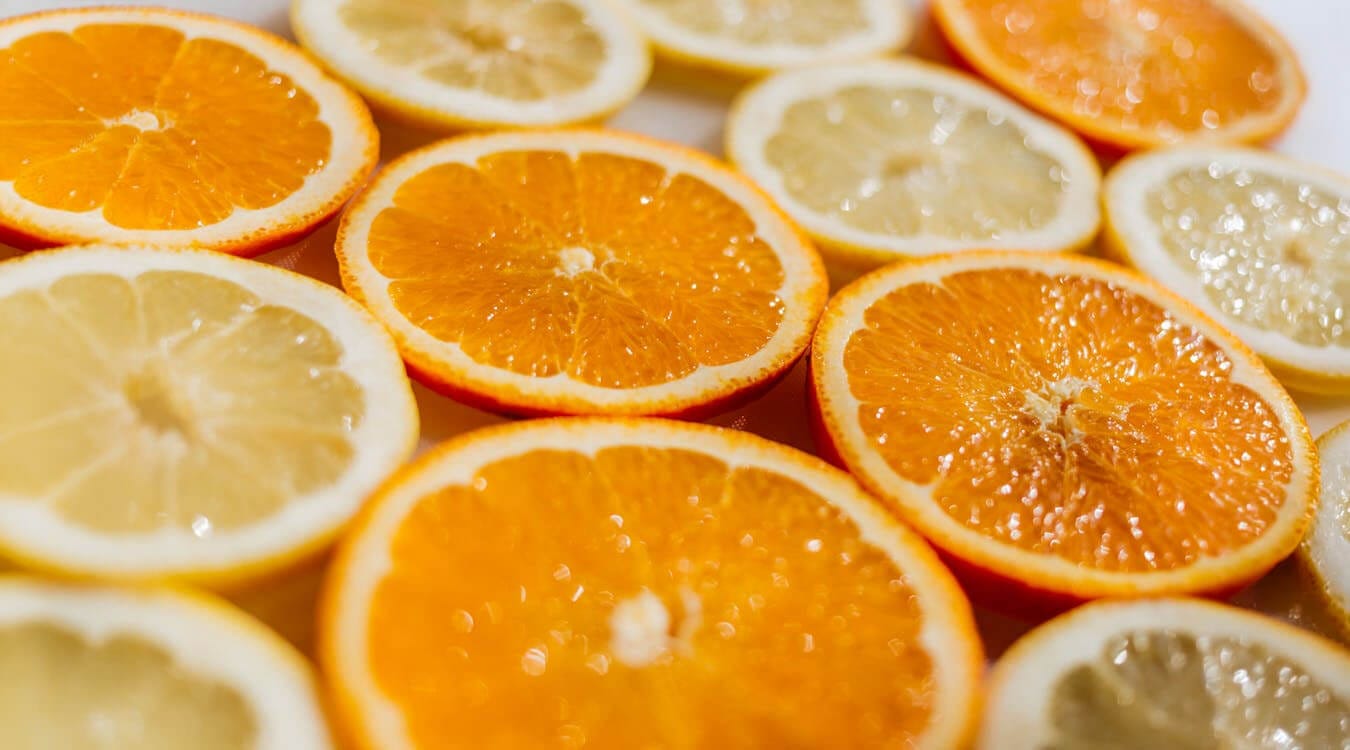
National Oranges and Lemons Day is observed annually on March 31st throughout the United States, celebrating two citrus fruits that have shaped global cuisine, supported maritime exploration, and sustained human health for centuries. This dual food holiday honors both the sweet, vitamin-rich orange and the tart, versatile lemon, recognizing their complementary roles in culinary traditions worldwide and their shared botanical heritage as members of the Rutaceae family. National Oranges and Lemons Day falls within the broader category of fruit-focused observances that promote produce consumption, agricultural awareness, and appreciation for crops that contribute significantly to nutrition and food culture. While primarily celebrated in the United States, particularly in citrus-growing regions like Florida, California, Texas, and Arizona, both fruits enjoy global cultivation and consumption across Mediterranean climates and subtropical regions. The timing in late March coincides with peak citrus season in many growing regions, when both oranges and lemons reach optimal ripeness and abundance. Whether enjoyed fresh as whole fruits, squeezed for their bright, flavorful juices, incorporated as essential ingredients in countless recipes, or utilized for their aromatic zest, National Oranges and Lemons Day invites participants to appreciate these citrus foundations of global cooking.
The origins of oranges and lemons trace back thousands of years to different regions of Asia, where wild citrus species evolved and early agriculturalists began cultivation. Oranges originated in Southeast Asia, likely in the region encompassing southern China, northeastern India, and Myanmar, where wild ancestors still grow in forests. Archaeological and literary evidence suggests orange cultivation in China dates back at least 4,000 years, with oranges appearing in ancient Chinese texts and art as prized fruits reserved for imperial courts and wealthy households. The Chinese developed sophisticated cultivation techniques and bred varieties ranging from sweet to sour, laying groundwork for global orange diversity.
Lemons followed a different path, originating in northeastern India, northern Myanmar, and southwestern China. The fruit spread westward earlier than oranges, reaching the Mediterranean region by the 1st century CE. Roman agricultural writers mentioned lemons, though they remained exotic luxuries rather than common foods. The Romans valued lemons primarily for medicinal purposes and as aromatic curiosities, lacking the extensive culinary applications that would develop later. Early lemons likely reached the Mediterranean through ancient trade networks connecting the Roman Empire with India and regions further east.
Arab traders and agricultural innovators played crucial roles in establishing citrus cultivation throughout the Mediterranean world. Islamic Golden Age agricultural treatises documented advanced citrus growing techniques, including grafting, irrigation systems, and variety selection. Arab control of Sicily, southern Spain, and parts of North Africa during medieval times transformed these regions into citrus-producing powerhouses. The sophisticated irrigation systems, crop management practices, and botanical knowledge developed during this period created the foundation for Mediterranean citrus culture that persists today. Oranges and lemons became integrated into Arab cuisine and medicine, establishing patterns of use that would influence European cooking once Christian reconquest brought these regions back under European control.
Crusaders and Renaissance traders accelerated citrus spread throughout Europe. Sweet oranges, distinct from earlier sour varieties, reached Europe through Portuguese trade with Asia in the 15th and 16th centuries, rapidly gaining popularity for their superior flavor. The Portuguese connection remains embedded in language, as many European languages derive their word for orange from “Portugal.” Lemons became essential in European cooking particularly in Italy, where they featured prominently in regional cuisines from Sicily to Amalfi, whose spectacular coastal lemon groves produced fruit renowned throughout Europe.
The Age of Exploration carried citrus to the Americas, where they found ideal growing conditions in subtropical and Mediterranean climates. Spanish colonizers planted oranges and lemons in the Caribbean, Mexico, and eventually Florida and California, where citrus would become defining agricultural products. These transplanted trees thrived, eventually creating citrus industries that would rival and exceed production in their Mediterranean homeland. The environmental conditions in places like California’s Central Valley and Florida’s interior proved remarkably well-suited to citrus cultivation, supporting the development of massive commercial orchards that would supply much of North America’s citrus through the 20th century.
The timeline of oranges and lemons spans millennia, reflecting their importance across civilizations. Around 4,000 years ago, Chinese agriculturalists cultivated oranges in southern China, beginning the long process of breeding and selection that created diverse orange varieties. By approximately 300 BCE, both oranges and lemons were mentioned in ancient texts from China and India, indicating established cultivation in their regions of origin. The 1st century CE marked lemons’ arrival in the Mediterranean region, though they remained rare and expensive.
The medieval period from the 8th through 13th centuries saw Arab agricultural expansion establish citrus cultivation throughout the Islamic world, particularly in Spain, Sicily, and North Africa. Advanced irrigation systems and cultivation techniques transformed citrus from exotic rarities into important agricultural products. The 15th and 16th centuries brought sweet oranges to Europe through Portuguese maritime trade, while Spanish and Portuguese colonization carried citrus to the Americas, planting the first orange and lemon trees in the Caribbean and later in Florida.
The 18th century recognized citrus’s role in preventing scurvy, fundamentally changing maritime exploration. James Lind’s 1747 experiments demonstrated that citrus fruits prevented this deadly disease, leading to British naval practice of providing lemon or lime juice to sailors. This discovery enabled longer ocean voyages and transformed global power dynamics by allowing European navies to maintain sea control for extended periods. The connection between citrus and scurvy prevention represented one of history’s most significant nutritional discoveries.
The 19th century saw establishment of commercial citrus industries in California and Florida, transforming these regions’ economies and landscapes. The invention of refrigerated rail transport in the 1870s and 1880s allowed fresh citrus to reach distant markets, expanding consumption beyond growing regions. The early 20th century brought development of frozen concentrated orange juice, which became a breakfast staple in American households. The establishment of National Oranges and Lemons Day as an annual observance occurred during the late 20th century, though exact founding details remain unclear, part of the proliferation of food-focused holidays celebrating specific agricultural products and encouraging consumption.
National Oranges and Lemons Day matters because it celebrates fruits that provide essential nutrition, particularly vitamin C, which humans cannot synthesize and must obtain through diet. A single orange provides more than 100 percent of daily vitamin C requirements, along with fiber, potassium, and beneficial plant compounds including flavonoids with antioxidant properties. Lemons offer similar nutritional benefits despite their tartness making them unsuitable for eating whole. The observance creates opportunities for nutrition educators to highlight citrus fruits’ health contributions and encourage consumption, particularly important given that many Americans fall short of recommended fruit intake.
The holiday also supports citrus-growing communities and agricultural economies throughout the American Sun Belt. Florida’s citrus industry, while facing challenges from diseases like citrus greening, remains economically significant to rural counties across the state. California citrus production, particularly in the Central Valley, supports thousands of jobs and contributes billions to the state economy. Texas and Arizona citrus industries, though smaller, provide important economic activity in their growing regions. National Oranges and Lemons Day recognizes these agricultural communities and the expertise required for successful citrus cultivation, from managing irrigation in water-scarce regions to pest and disease control to harvest timing that captures optimal flavor.
From a culinary perspective, the observance celebrates citrus fruits’ remarkable versatility across sweet and savory applications. Orange juice represents the default breakfast beverage for millions, while orange segments brighten salads and desserts. Lemon juice functions as essential acid in countless preparations, from finishing sauces to brightening vegetables to balancing rich dishes. Citrus zest concentrates aromatic oils that add flavor dimension impossible to achieve with juice alone. These diverse applications demonstrate how oranges and lemons transcend simple fruit status to become foundational ingredients that professional chefs and home cooks depend upon daily.
The holiday also addresses contemporary challenges facing citrus industries, including climate change impacts, water scarcity, and devastating plant diseases. Citrus greening disease has decimated Florida’s orange groves, reducing production dramatically and threatening the industry’s viability. California’s periodic droughts stress water-intensive citrus cultivation and force difficult decisions about crop priorities. National Oranges and Lemons Day provides platform for educating consumers about these challenges and encouraging support for research into disease-resistant varieties, sustainable irrigation practices, and adaptive strategies that might preserve citrus industries despite environmental pressures.
Finally, National Oranges and Lemons Day matters because it connects contemporary eaters to agricultural history and the profound influence specific crops have exerted on human civilization. Oranges and lemons enabled maritime exploration that reshaped global power structures. They created agricultural economies that defined entire regions and influenced migration patterns as workers sought employment in citrus groves. They contributed essential nutrition that prevented deficiency diseases and supported population health. Understanding these deep connections transforms simple fruit consumption into appreciation for the complex relationships between agriculture, nutrition, economics, and history. Observing National Oranges and Lemons Day on March 31st thus becomes an opportunity to recognize how two fruits shaped human experience while celebrating the farmers, agricultural scientists, and food workers who continue making citrus accessible to millions, maintaining traditions of cultivation that stretch back millennia while adapting to contemporary challenges that threaten these vital crops.
