National Oreo Cookie Day
March 6, 2027

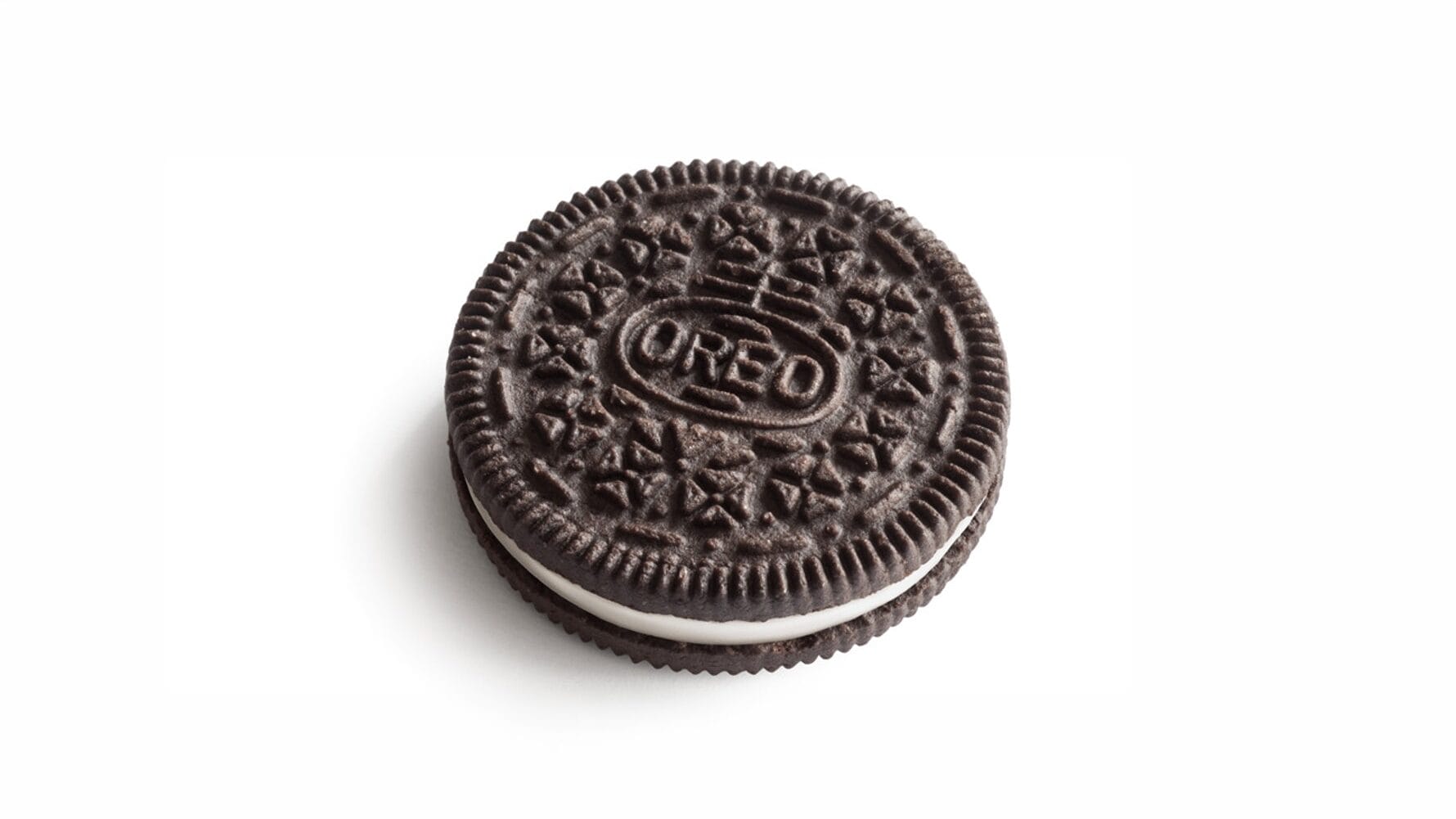
National Oreo Cookie Day is observed annually on March 6 and celebrates one of the most recognizable sandwich cookies in the world. National Oreo Cookie Day highlights not only a specific brand of cookie but also the industrial evolution of packaged baked goods, global flavor marketing, and the cultural rituals that surround snack foods. Since its introduction in the early twentieth century, the Oreo cookie has become an icon of mass-produced dessert culture.
The Oreo cookie first appeared in 1912, produced by the National Biscuit Company, later known as Nabisco. It was introduced as a chocolate sandwich cookie filled with a sweet cream center. The design, consisting of two embossed chocolate wafers with a cream filling, created a balance of bitterness and sweetness that appealed broadly to consumers. Over time, the cookie’s visual identity became as important as its flavor.
The ingredient microhistory central to the Oreo cookie includes cocoa powder and refined wheat flour. Cocoa originates from cacao beans grown in tropical regions, particularly West Africa, South America, and Southeast Asia. These beans undergo fermentation, drying, roasting, and grinding to produce cocoa solids used in chocolate-flavored baked goods. Wheat flour, meanwhile, depends on large-scale grain agriculture and industrial milling.
Migration and global trade strongly influenced Oreo’s growth. As American snack foods expanded internationally in the twentieth century, Oreo cookies followed through export networks and localized production facilities. This global distribution turned the cookie into a familiar snack across dozens of countries, often with regionally adapted flavors.
Technological inflection points helped Oreo scale. Automated baking lines, mechanical sandwiching machines, and sealed packaging allowed consistent mass production. These technologies ensured uniform shape, flavor, and shelf stability, enabling the cookie to travel through long supply chains without quality degradation.
National Oreo Cookie Day reflects the intersection of food manufacturing, branding, and consumer ritual. The cookie is not only a dessert item but also a symbol of twentieth-century snack innovation.
National Oreo Cookie Day highlights how snack foods become cultural symbols through repetition and ritual. Oreo cookies are associated with a simple eating routine often described as twisting the cookie apart, licking the cream filling, and dipping the wafers in milk. These behaviors transformed the cookie from a passive snack into an interactive experience, strengthening its cultural recognition.
Agriculturally, Oreo cookies depend on multiple commodity crops. Wheat supplies flour, cocoa provides chocolate flavor, and sugar contributes sweetness and structure. Palm oil and other vegetable oils may contribute to the cream filling’s texture and stability. Each ingredient originates from different agricultural systems connected through global trade.
Sensory anthropology explains the cookie’s enduring popularity. The bitter cocoa wafer contrasts with the sweet cream filling, creating balance rather than overwhelming sweetness. The crisp texture of the wafers and the smoothness of the filling provide a satisfying structural contrast.
Economically, Oreo cookies illustrate the power of branding and product consistency. The recognizable embossing on the wafer and the predictable flavor profile reinforce consumer trust. Snack foods rely heavily on consistency because buyers expect the same taste every time they open a package.
Regional comparisons show how Oreo adapts to local markets. In some countries, flavors such as green tea, mango, or strawberry appear alongside the classic version. These adaptations demonstrate how global brands maintain identity while responding to regional preferences.
A misconception worth correcting is that Oreo cookies remain unchanged since their introduction. While the visual identity remains recognizable, ingredients and production methods have evolved over time to meet regulatory standards, supply chain realities, and consumer expectations.
1912: Oreo cookies are introduced by the National Biscuit Company as a chocolate sandwich cookie.
1920s–1930s: Mass production expands through automated baking and packaging technologies.
Mid 20th century: National advertising campaigns strengthen Oreo’s presence in American households.
Late 20th century: International expansion introduces Oreo cookies to global markets.
Early 21st century: New flavor variations and limited-edition releases expand product lines.
2010s: Social media marketing amplifies Oreo’s cultural presence and brand storytelling.
Present day: Oreo remains one of the best-selling cookies worldwide, supported by global supply chains and brand recognition.
National Oreo Cookie Day matters today because it illustrates how industrial food products become cultural traditions. A cookie originally designed for large-scale production evolved into a recognizable symbol of snack culture and childhood nostalgia.
Modern supply chains keep Oreo cookies widely available, yet the product relies on global agriculture including wheat farming, sugar production, and cacao cultivation. Disruptions in these supply chains can influence pricing and production.
Sensory anthropology reinforces the cookie’s enduring appeal. The combination of crisp wafer, sweet filling, and milk pairing creates a multi-textural experience that remains satisfying across generations.
Misconceptions about packaged snacks can be addressed by recognizing the technological achievements behind them. Industrial baking requires precise control over temperature, moisture, and ingredient ratios to maintain uniform quality.
Economic resilience also explains Oreo’s longevity. Packaged cookies have long shelf life, efficient distribution, and strong brand recognition, making them stable products in fluctuating food markets.
National Oreo Cookie Day matters because it celebrates a cookie that represents the intersection of agricultural commodities, food manufacturing technology, and global snack culture.
