National Penguin Day
January 20, 2027

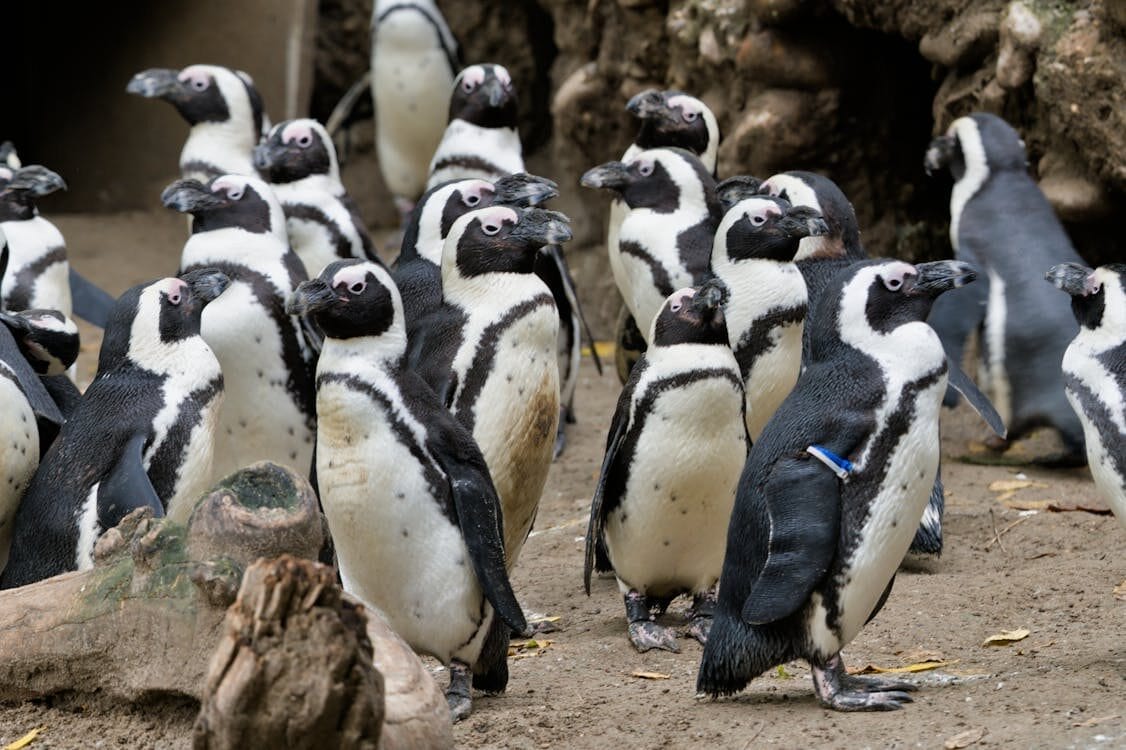
National Penguin Day is observed annually on January 20 and is widely understood to coincide with the time of year when penguins at McMurdo Station in Antarctica begin their northward migration. Unlike many modern observances, National Penguin Day does not have a single documented founder or originating organization. Instead, it appears to have developed organically through scientific communities, educational institutions, and public interest in polar research.
The association with Antarctic research stations is central to the day’s identity. Penguins have long been studied by scientists as indicator species due to their sensitivity to environmental change. Observations of penguin migration, breeding cycles, and population health have provided valuable insights into ocean conditions and climate trends. National Penguin Day emerged as a way to highlight these animals within the broader context of scientific discovery rather than entertainment.
Penguins themselves have a deep evolutionary history. They are flightless seabirds that adapted to aquatic life over millions of years, developing streamlined bodies and flipper-like wings suited for swimming rather than flight. Their geographic isolation, particularly in the Southern Hemisphere, contributed to their distinct biology and behavior. National Penguin Day reflects this scientific fascination, emphasizing observation and understanding rather than celebration alone.
By aligning the observance with a real biological event rather than a symbolic date, National Penguin Day grounds itself in natural history and research rather than cultural invention.
Penguins occupy a unique position in both science and popular culture. Scientifically, they are critical to understanding marine ecosystems. As mid-level predators, penguins rely on healthy fish and krill populations, making their survival closely linked to ocean stability. Changes in penguin populations often reflect shifts in food availability, sea ice patterns, and water temperature.
Culturally, penguins have become symbols of resilience, cooperation, and adaptation. Their upright posture, social behavior, and harsh living environments have made them compelling figures in storytelling, media, and education. While popular portrayals often emphasize charm, National Penguin Day redirects attention toward biological reality and environmental dependency.
The holiday also provides an opportunity to address misconceptions. Penguins are not universally Antarctic animals, nor are they suited to captivity in all contexts. Many species live in temperate or subtropical regions, and each has highly specific habitat needs. National Penguin Day encourages accuracy and respect rather than oversimplification.
By focusing on scientific relevance alongside cultural recognition, the observance bridges public interest with ecological literacy.
National Penguin Day remains relevant as climate change increasingly affects polar and marine ecosystems. Rising ocean temperatures, changes in ice formation, and shifts in food supply place growing pressure on penguin populations. Monitoring penguins helps scientists track these changes with tangible biological data.
The observance also supports education. By anchoring interest in real-world research, National Penguin Day encourages curiosity about conservation science and responsible environmental stewardship. It highlights how distant ecosystems influence global systems that humans depend on.
Beyond science, the day reinforces the idea that appreciation should be informed. Penguins capture public imagination, but their survival depends on complex environmental conditions that require long-term attention rather than momentary fascination.
National Penguin Day matters because it transforms admiration into awareness, reminding society that protecting wildlife begins with understanding it.
