National Pie Day
January 23, 2026

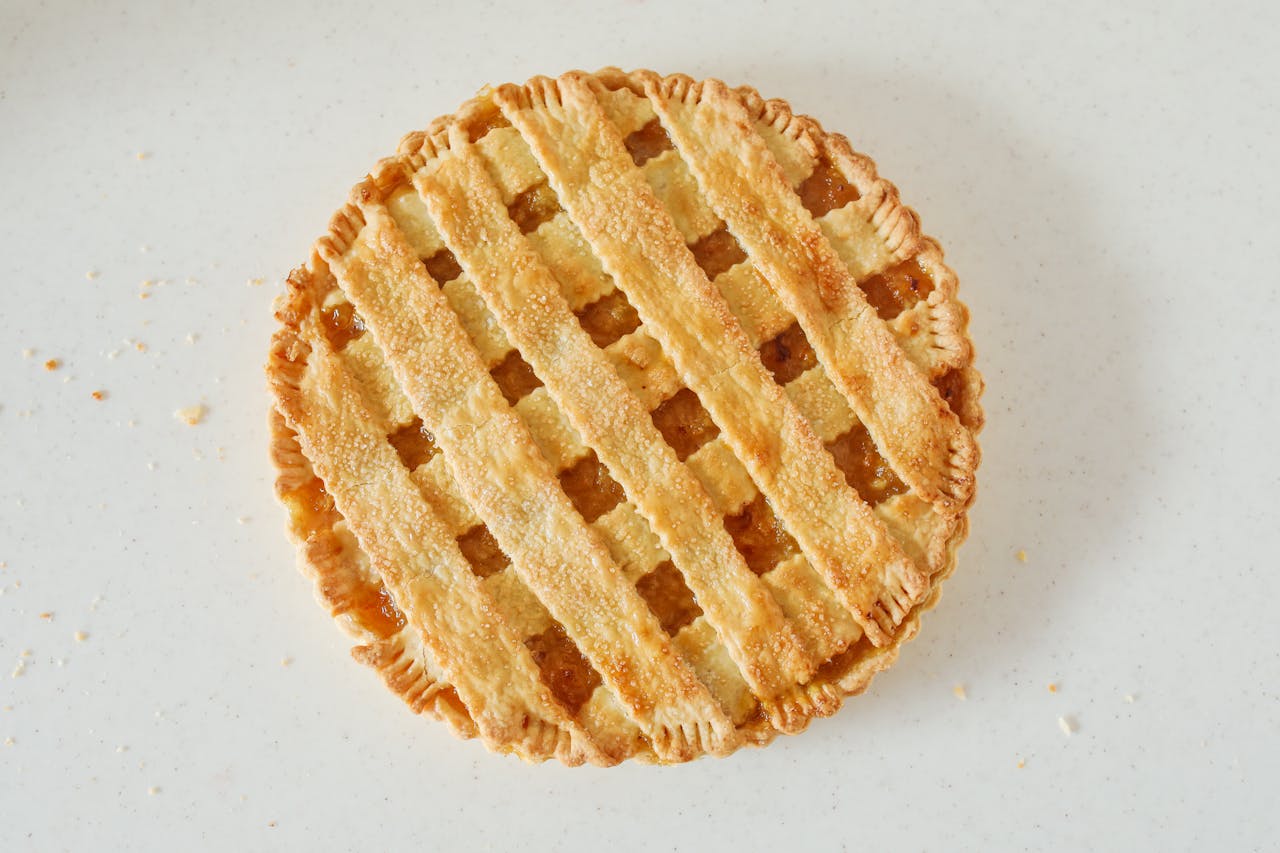
National Pie Day celebrates one of the oldest and most enduring forms of cooking, a food that exists at the intersection of practicality, creativity and comfort. Long before pie became associated with dessert, it served a functional purpose. Early pies appeared in ancient civilizations as a way to preserve and transport food. In ancient Egypt, grain-based crusts were used to encase honey and fruit. The Greeks and Romans expanded the idea, wrapping meats and seafood in dough to protect them during baking.
Medieval Europe transformed pie into a cornerstone of daily eating. Thick, hard pastry shells known as coffyns acted as containers rather than edible components. These crusts sealed in moisture and flavor, allowing meats to cook slowly and safely. Wealthier households enjoyed spiced meat pies filled with game, while common people relied on simpler fillings made from root vegetables and offal. The crust was often discarded or fed to animals, emphasizing pie’s role as a vessel rather than a treat.
As ingredients became more accessible and baking techniques improved, the crust itself evolved. Butter and lard replaced coarse fats, creating flakier, more tender pastry. By the time pies reached colonial America, they had become both functional and pleasurable. European settlers adapted pie to local ingredients, using pumpkins, pecans, apples and berries native to the New World. Pie became deeply tied to American identity, appearing at holidays, community gatherings and everyday meals.
Over time, pie expanded beyond dessert. Savory pies such as chicken pot pie, shepherd’s pie and meat pies became staples across cultures. Sweet pies, however, captured the public imagination. Apple pie in particular became a symbol of home, tradition and abundance. National Pie Day recognizes this long journey, from survival food to cultural icon. It honors the way pie reflects place, season and history while remaining endlessly adaptable.
Pie occupies a unique emotional space in food culture. Unlike elaborate pastries or plated desserts, pie feels approachable. It is meant to be sliced, shared and eaten without ceremony. The act of cutting into a pie reveals its contents, whether bubbling fruit or creamy custard, creating anticipation and connection. Pie is rarely eaten alone. It appears at family tables, holiday meals, bake sales and community events.
The sensory experience of pie is deeply comforting. The sound of a knife cracking through a baked crust, the smell of butter and fruit filling the kitchen, the warmth of a fresh slice cooling on a plate all contribute to its appeal. Pie balances textures in a way few desserts do. A flaky or crumbly crust contrasts with soft filling. Sweetness is tempered by acidity in fruit pies or richness in custard-based ones.
Pie also carries memory. Many people associate specific pies with specific people. A grandmother’s apple pie, a parent’s pecan pie, a local diner’s lemon meringue pie. These recipes are often passed down, tweaked and guarded. Pie becomes a form of storytelling, with each variation reflecting family history and personal taste.
There is also a sense of honesty in pie. It is not meant to be perfect. Crusts crack, fillings bubble over and edges brown unevenly. These imperfections are part of the charm. Pie invites participation rather than perfection. It encourages learning through practice, patience and repetition.
National Pie Day highlights why pie remains relevant in modern kitchens. In an era of convenience foods and polished desserts, pie offers grounding. It reminds people that good food does not need to be complicated to be meaningful. A pie made with care, even if imperfect, delivers satisfaction that goes beyond flavor.
Celebrating National Pie Day starts with choosing what kind of pie speaks to you. For some, that means classic fruit pies like apple, cherry or blueberry. These rely on balance. Fruit must be ripe but not mushy, sweetened just enough to highlight natural flavor. Thickening agents like flour or cornstarch bind juices without dulling freshness. A well-made fruit pie should slice cleanly while still tasting vibrant.
Cream and custard pies offer a different experience. Chocolate cream, banana cream, coconut cream and pumpkin pie focus on smoothness and richness. These fillings require attention to temperature and timing. Eggs must be gently cooked to avoid curdling. Spices should enhance rather than overwhelm. A properly baked custard pie sets softly, trembling slightly when moved.
Savory pies deserve equal celebration. Chicken pot pie, beef and ale pie, vegetable pies and quiches transform pie into a complete meal. These pies showcase the versatility of pastry as both structure and flavor. Using seasonal vegetables, slow-cooked meats and well-seasoned sauces elevates the experience. A savory pie is at its best when the crust absorbs some of the filling while remaining crisp.
National Pie Day is also an opportunity to focus on crust. Many home bakers fear pastry, but crust improves with understanding. Keeping fat cold, handling dough minimally and allowing it to rest are key principles. Whether you prefer all-butter crust, lard-based crust or a combination, learning how different fats behave builds confidence. Even store-bought crust can be elevated by careful baking and thoughtful filling.
Sharing pie is central to the holiday. Baking a pie for friends, family or neighbors reinforces pie’s role as communal food. Hosting a pie swap or pie tasting allows people to sample multiple styles and traditions. Donating pies to community organizations or shelters extends that sense of care outward.
National Pie Day ultimately celebrates more than a dish. It celebrates patience, generosity and the joy of making something meant to be shared. Whether you bake from scratch, visit a local bakery or revisit a family recipe, pie invites you to slow down and participate in a tradition that spans centuries. A slice of pie, enjoyed deliberately, is a reminder that comfort and craft often coexist in the simplest forms.