National Piña Colada Day
July 10, 2029

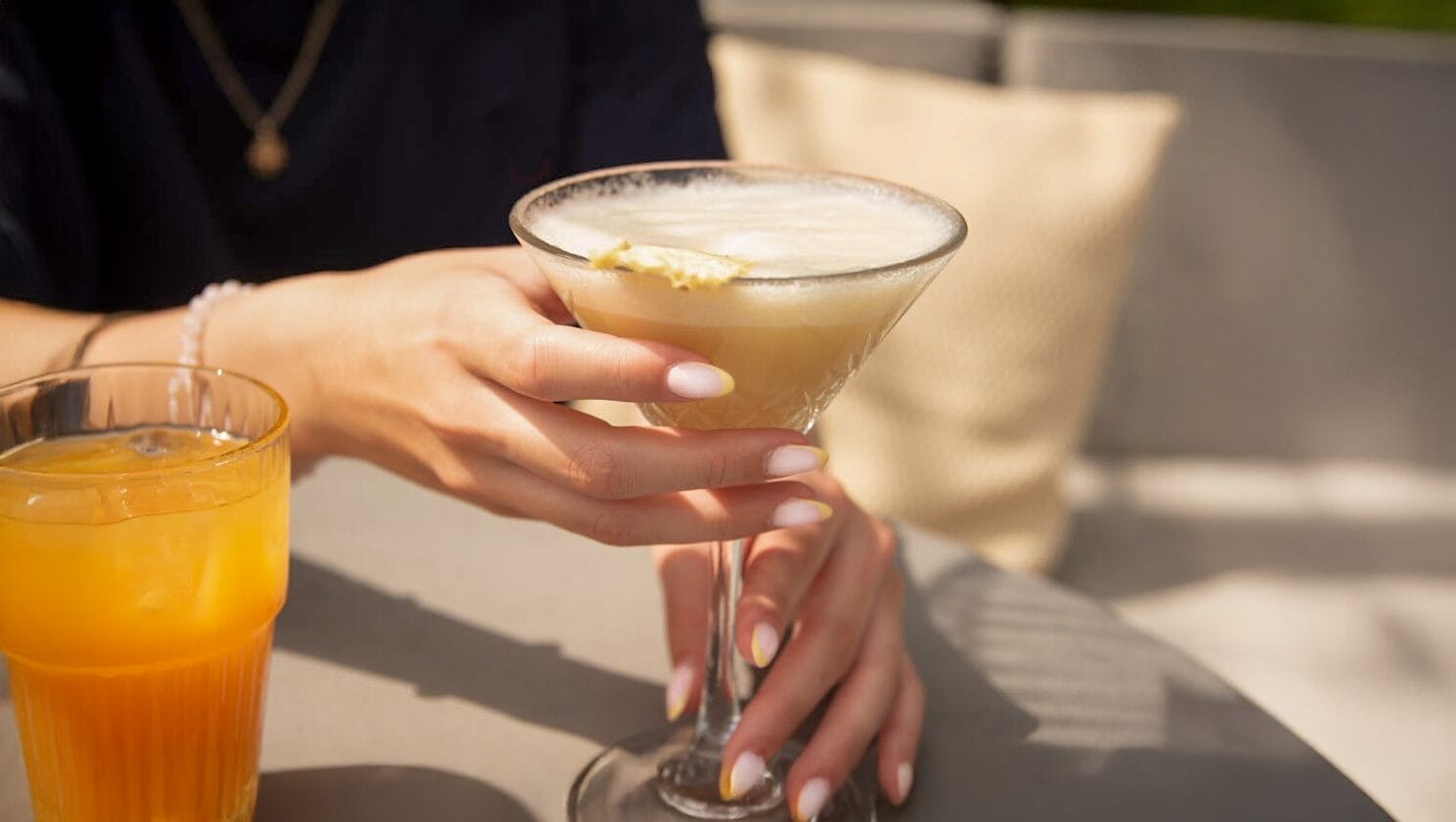
National Piña Colada Day celebrates a cocktail that is inseparable from the cultural identity of Puerto Rico and the broader Caribbean. Creamy, tropical and instantly recognizable, the piña colada represents more than vacation imagery. It reflects the island’s agricultural history, hospitality industry and global influence on cocktail culture.
The name piña colada translates to strained pineapple, referring to freshly pressed pineapple juice that has been filtered to remove pulp. Pineapples have grown in the Caribbean since at least the late fifteenth century, thriving in the region’s climate. Sugarcane arrived soon after European colonization, laying the groundwork for rum production. By the nineteenth century, Puerto Rico had become a major rum producer, exporting spirits while also developing a strong local drinking culture.
Several stories compete to explain who invented the piña colada, but the most widely accepted origin traces the drink to 1954 at the Caribe Hilton in :contentReference[oaicite:1]{index=1}. According to hotel records, bartender Ramón Monchito Marrero was tasked with creating a signature cocktail that captured the essence of Puerto Rico. After months of experimentation, he combined white rum, coconut cream and fresh pineapple juice into a smooth, balanced drink. The result was an instant success with hotel guests and quickly spread beyond the island.
Another claim credits bartender Ricardo García, who reportedly mixed the drink when coconut cream temporarily ran out and substituted fresh coconut milk. A third legend reaches further back to the nineteenth century, suggesting pirate Roberto Cofresí served a mixture of rum, coconut and pineapple to boost his crew’s morale. While romantic, this version lacks documentation. What is clear is that by the mid twentieth century, the piña colada had become firmly associated with Puerto Rico.
In 1978, the Puerto Rican government officially declared the piña colada the national drink. This recognition cemented its role as a symbol of island pride and hospitality. National Piña Colada Day honors not just a cocktail but the people, ingredients and history behind it.
At its core, a traditional piña colada contains three primary ingredients: rum, coconut and pineapple. The simplicity of the recipe makes quality and balance essential. Each component must support the others without overpowering the drink.
Rum provides structure and warmth. Light or white rum is most commonly used, offering a clean base that allows fruit flavors to shine. Some variations incorporate aged rum to add depth, vanilla notes or gentle oak influence. Puerto Rican rum styles tend to be lighter and more refined than some Jamaican or Guyanese rums, which suits the smooth character of the piña colada.
Coconut is the ingredient that defines texture. Coconut cream, not coconut milk, is traditional. Coconut cream is thicker and sweeter, made by concentrating coconut flesh and often lightly sweetened. It delivers richness without excessive liquid, creating the drink’s signature velvety mouthfeel. Coconut milk produces a thinner, less cohesive result and changes the drink’s character.
Pineapple juice brings acidity and brightness. Freshly pressed pineapple juice offers the best balance of sweetness and tartness. Canned juice can work, but it often lacks the aromatic complexity of fresh fruit. The acidity of pineapple is essential because it prevents the drink from becoming cloying.
Preparation matters as much as ingredients. The classic piña colada is blended with ice until smooth, producing a frozen consistency similar to a soft slush. Over blending can dilute flavor, while under blending leaves unwanted ice chunks. Some bartenders prefer a shaken version served over crushed ice, which emphasizes freshness and reduces sweetness.
Proper ratios are crucial. Too much coconut cream overwhelms the palate. Too much pineapple creates sharpness. Too much rum disrupts balance. A well made piña colada tastes cohesive rather than boozy or sugary. When done correctly, the drink is refreshing rather than heavy.
Modern interpretations experiment with ingredients like toasted coconut, pineapple shrub, lime juice or nutmeg. While creative versions can be enjoyable, National Piña Colada Day is an opportunity to appreciate the classic formula that has endured for decades.
National Piña Colada Day is best celebrated with intention rather than excess. The drink’s popularity has led to mass produced mixes and overly sweet shortcuts, but the holiday invites a return to quality and craft.
Making a piña colada at home allows control over ingredients and sweetness. Using fresh pineapple, real coconut cream and good rum transforms the experience. Even without a blender, a shaken version over crushed ice delivers a refined result.
Food pairing enhances enjoyment. Piña coladas pair well with grilled seafood, jerk chicken, plantains and dishes that carry spice or smoke. The drink’s sweetness cools heat and complements savory flavors. It also works alongside lighter fare such as ceviche or tropical fruit salads.
The holiday also offers a chance to explore Puerto Rican culture beyond the glass. Learning about the island’s rum heritage, music and cuisine adds context to the drink. Supporting Puerto Rican rum producers or local Caribbean restaurants extends the celebration in a meaningful way.
For those who do not drink alcohol, the piña colada adapts easily. A non alcoholic version using pineapple juice and coconut cream preserves the flavor and texture while remaining inclusive. These versions reflect the drink’s origins in hospitality and shared enjoyment.
National Piña Colada Day also invites reflection on how drinks shape cultural identity. The piña colada is not just a vacation symbol. It is the result of agricultural resources, colonial history, innovation and pride. It traveled from a hotel bar in San Juan to menus around the world while remaining deeply connected to its roots.
Enjoying a piña colada on this day is about more than indulgence. It is about slowing down, appreciating balance and recognizing the stories carried in simple ingredients. Whether enjoyed poolside, at home or with friends, the piña colada remains a reminder that some of the world’s most enduring creations come from thoughtful simplicity.