National Polka Month
January 1, 2029

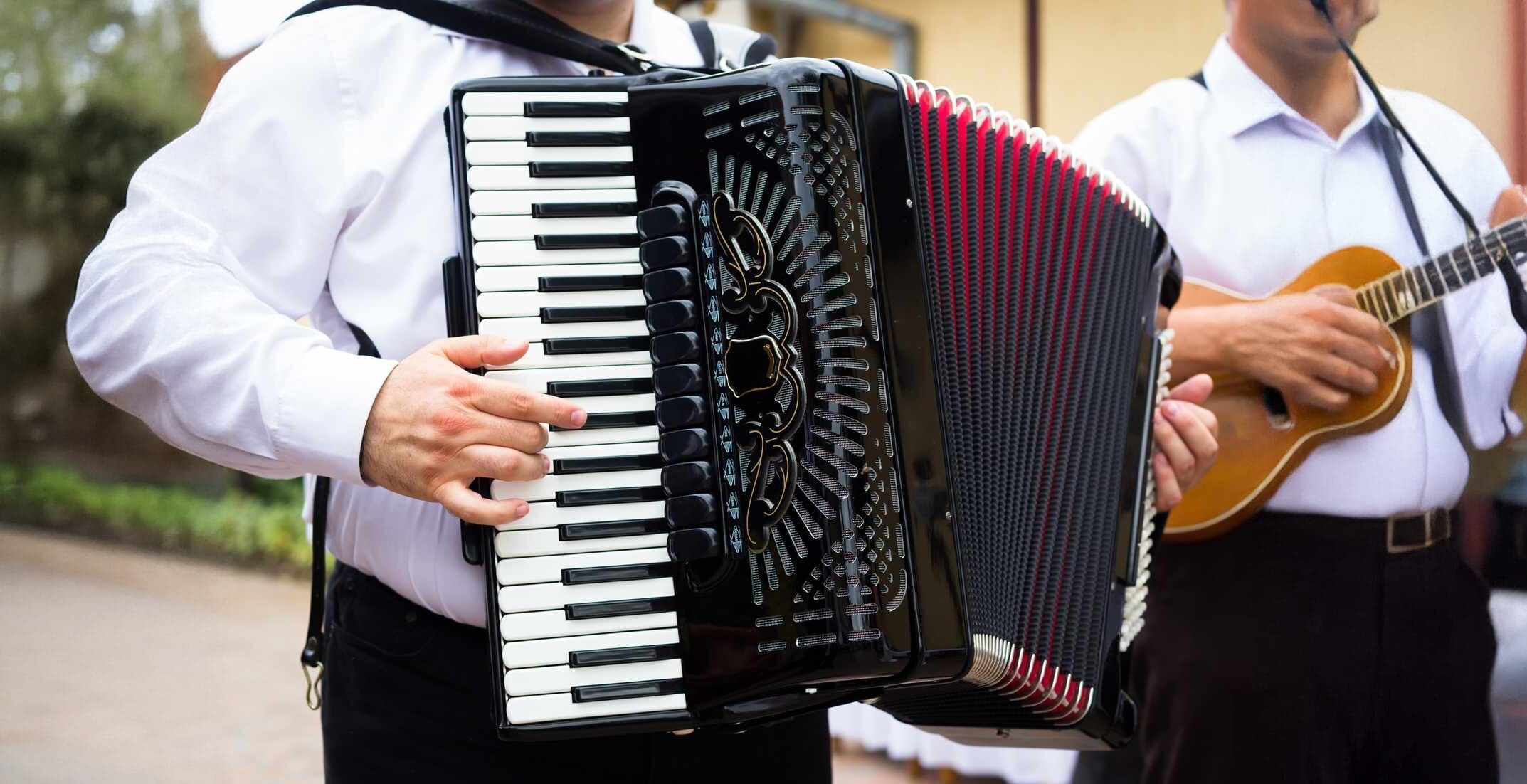
National Polka Month is observed throughout January in the United States and celebrates the history and cultural impact of polka music and dance. Polka originated in Central Europe during the nineteenth century, particularly in the region that is now the Czech Republic, before spreading across Europe and eventually to North America.
The dance gained popularity due to its energetic rhythm and accessibility. Unlike court dances that required formal training, polka was social and participatory, making it well suited to working-class communities. European immigrants carried polka traditions with them as they settled in the United States.
By the late nineteenth and early twentieth centuries, polka became embedded in immigrant communities, especially among Czech, Polish, German, and Slovenian Americans. Regional styles developed, blending traditional European elements with American musical influences.
National Polka Month emerged as a cultural recognition rather than a formal proclamation, reflecting efforts by musicians and cultural organizations to preserve and promote the genre.
Polka holds a unique position in American music history as a living expression of immigrant identity. It served as a social anchor in ethnic communities, accompanying weddings, festivals, and communal gatherings.
As polka evolved in the United States, it absorbed elements of jazz, country, and popular music. This adaptability allowed it to remain relevant across generations while retaining its recognizable rhythm and structure.
National Polka Month recognizes polka not as nostalgia, but as cultural continuity. The genre reflects how music travels, adapts, and endures through community rather than commercial dominance.
The observance also challenges narrow definitions of popular music by highlighting traditions sustained outside mainstream charts.
National Polka Month remains relevant because it affirms the value of cultural preservation. In an era of rapid musical turnover, polka demonstrates how tradition can survive through participation rather than reinvention.
The observance encourages intergenerational connection, as polka events often bring together musicians and dancers of all ages. This continuity reinforces community identity and shared heritage.
At a broader level, National Polka Month underscores how American culture is shaped by migration and adaptation. Polka’s journey from European folk dance to American musical tradition reflects this process clearly.
The month matters because it honors cultural persistence, reminding society that not all influence is measured by commercial reach.