National Popcorn Day
January 19, 2031

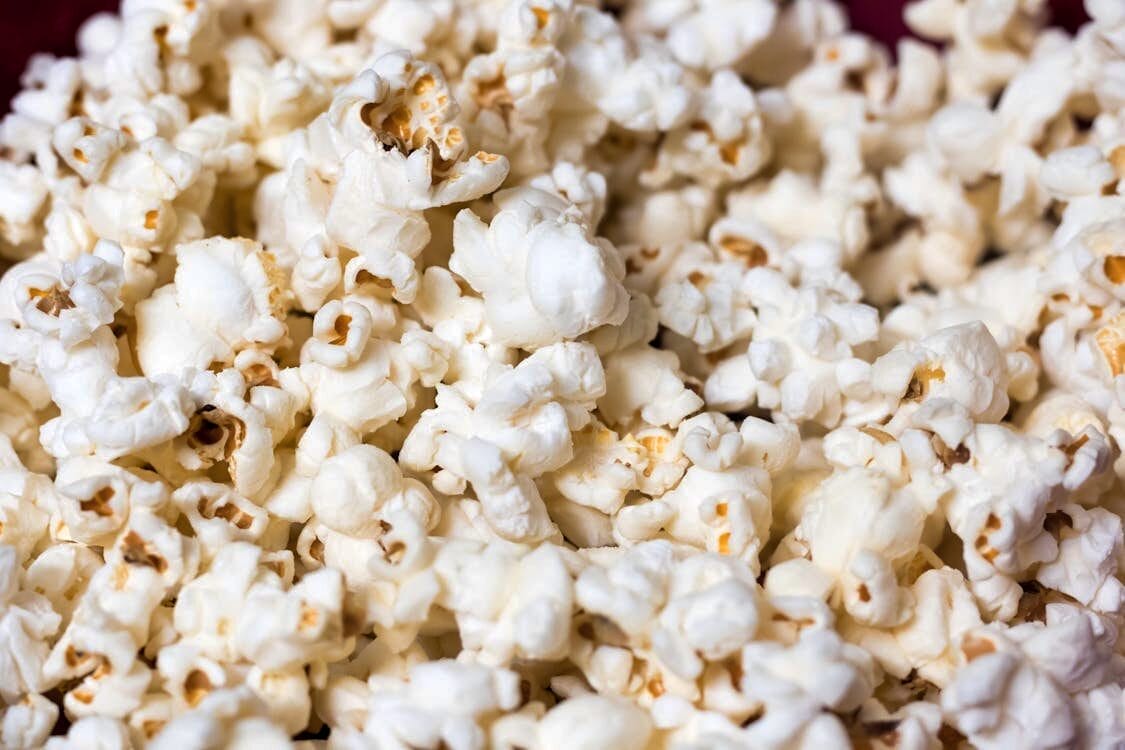
National Popcorn Day celebrates one of the oldest snack foods in human history, long before it became synonymous with movie theaters and sporting events. Archaeological evidence shows that popcorn was enjoyed by Indigenous peoples in the Americas thousands of years ago. Corn itself was domesticated in southern Mexico more than nine thousand years ago, and certain varieties of maize developed a hard outer shell and dense interior that allowed kernels to explode when heated. Popcorn remnants have been discovered in caves in Peru dating back over five thousand years, proving that this snack predates modern civilization.
For Indigenous cultures, popcorn was more than a casual treat. It played ceremonial and decorative roles, used in headdresses, necklaces and rituals. Early European explorers encountered popcorn in the Americas and documented its preparation, noting how kernels were heated over fire or sand until they burst into white blossoms. When corn cultivation spread across North America, popcorn followed, becoming a staple at fairs and gatherings.
Popcorn’s rise as a commercial snack began in the nineteenth century. In 1885, Charles Cretors invented the first commercial popcorn machine, powered by steam. This allowed popcorn to be freshly popped on city streets, filling the air with an irresistible aroma. Vendors stationed themselves outside theaters and public events, introducing popcorn as an affordable indulgence for the masses.
The snack’s popularity surged during the Great Depression because it was cheap to produce and sell. While other luxury treats disappeared, popcorn thrived, costing just a few cents per bag. Movie theaters initially resisted popcorn, worried about mess and noise, but eventually embraced it as a profitable concession. By the mid twentieth century, popcorn and movies were inseparable.
National Popcorn Day honors this long journey from ancient grain to global snack. It reminds us that something simple can endure for millennia, adapting to changing cultures while remaining rooted in tradition.
What makes popcorn unique among corn varieties is its structure. Each kernel contains a small amount of water trapped inside a dense starch core, sealed by a tough outer hull called the pericarp. When heated, the water turns to steam and pressure builds. At about 356 degrees Fahrenheit, the hull ruptures, releasing the pressure and causing the starch to expand rapidly. The result is the fluffy white popcorn we recognize.
Moisture content is crucial. Kernels that are too dry will not pop well, while kernels with too much moisture can produce tough popcorn. Ideal popping corn contains about fourteen percent water by weight. This balance allows enough pressure to build without compromising texture.
Cooking method also matters. Air popping uses hot air to heat kernels evenly and produces a light, low fat snack. Stovetop popping allows for greater flavor development, especially when oil is used to transfer heat efficiently. Microwave popcorn relies on pre measured oils and seasonings sealed in a bag that traps steam and heat.
Popcorn’s neutral flavor makes it an ideal canvas for seasoning. Butter and salt remain classics, but popcorn also absorbs spices, herbs and sweet coatings exceptionally well. Nutritionally, plain popcorn is a whole grain that contains fiber and antioxidants called polyphenols. When prepared without excessive butter or sugar, it can be a surprisingly wholesome snack.
National Popcorn Day offers a moment to appreciate the quiet science behind each pop. Every kernel is a miniature pressure vessel, performing the same physical transformation that fascinated people thousands of years ago.
National Popcorn Day invites creativity, nostalgia and shared enjoyment. One of the simplest ways to celebrate is to pop a fresh batch at home and slow down long enough to listen to the rhythm of kernels bursting. That sound connects kitchens today with fireside popping centuries ago.
Flavor experimentation is a popular way to mark the day. Savory options include nutritional yeast for a cheesy note, smoked paprika, garlic powder or chili seasoning. Sweet versions can feature cinnamon sugar, caramel drizzle or cocoa powder. International flavors also shine, such as curry spice blends, furikake or zaatar.
Popcorn can also move beyond the bowl. It can be mixed into snack mixes with nuts and dried fruit, used as a crunchy topping for soups and salads, or pressed into bars with honey or marshmallow for a nostalgic treat. Gourmet popcorn shops have expanded the snack into a specialty food, offering flavors ranging from truffle oil to matcha.
National Popcorn Day is also an opportunity to reflect on shared experiences. Popcorn is often eaten in groups, passed between friends during movies, games and celebrations. It is casual and unpretentious, yet deeply tied to memory. Many people associate popcorn with childhood, family nights or first trips to the cinema.
Whether you enjoy it plain, dressed up or incorporated into recipes, the act of popping corn remains fundamentally the same. Heat, patience and a little anticipation lead to something joyful. National Popcorn Day celebrates that transformation and the enduring appeal of a snack that continues to pop up in our lives, generation after generation.
