National Pretzel Sunday
April 12, 2026

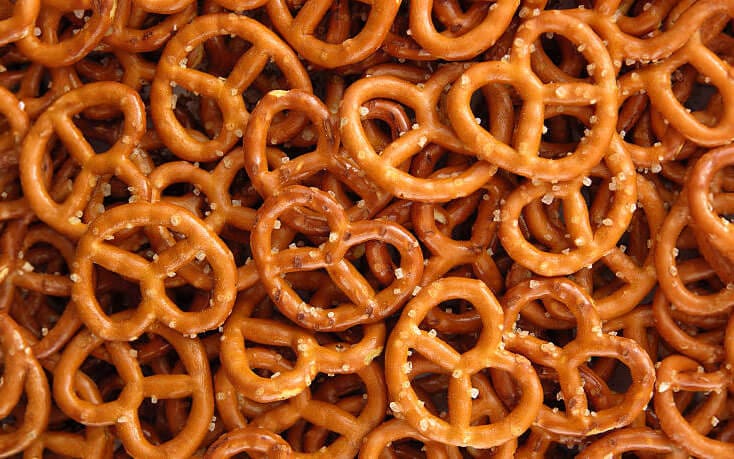
National Pretzel Sunday, observed annually on the second Sunday of April in parts of Pennsylvania and among German-American communities, celebrates the twisted bread tradition with deep roots in Christian observance and German baking culture, though the specific “Pretzel Sunday” designation refers to Palm Sunday traditions where pretzels were distributed to churchgoers. This food holiday honors a bread shape with origins dating back over 1,400 years to European monasteries where the distinctive knot supposedly represented arms crossed in prayer. Unlike many contemporary food holidays with commercial origins, National Pretzel Sunday maintains connections to religious observance and ethnic heritage preservation among communities maintaining German and Pennsylvania Dutch traditions. The observance falls within the broader category of culturally specific food celebrations that honor particular ethnic foodways and their transmission across generations. The timing connects to the Christian liturgical calendar and spring season when Lenten observances transition toward Easter celebrations. Whether enjoyed as soft pretzels warm from bakery ovens, hard pretzels for snacking, or homemade versions prepared following family recipes, pretzels on this designated Sunday represent continuity with centuries of baking tradition and the role of specific foods in marking religious and seasonal transitions within communities maintaining these cultural practices.
Pretzels trace their origins to early medieval Europe, with legend crediting an Italian monk around 610 CE with creating the twisted shape from leftover dough as reward for children who learned their prayers. The three holes supposedly represented the Holy Trinity while the crossed arms shape symbolized prayer posture. Whether this origin story reflects historical fact or pious legend, pretzels became established European baked goods by the Middle Ages, particularly in German-speaking regions where the twisted bread gained cultural and religious significance beyond simple sustenance.
The association between pretzels and Lent developed through medieval Christian practices around fasting and dietary restrictions. Pretzels made from simple flour, water, and salt contained no eggs, butter, or milk, making them acceptable foods during Lenten fasting periods when richer foods were prohibited. This practical consideration elevated pretzels to special status as Lenten bread, creating seasonal demand that reinforced their religious associations. Palm Sunday specifically became occasion for pretzel distribution in some German regions, establishing precedent that German immigrants would carry to America.
Pennsylvania Dutch communities, descendants of German-speaking immigrants who settled Pennsylvania beginning in the late 17th century, maintained pretzel baking traditions as part of broader cultural preservation efforts. These communities used food traditions including pretzels to maintain ethnic identity and pass cultural knowledge to younger generations born in America. The Pennsylvania Dutch became particularly associated with soft pretzels, which differed from hard pretzel snacks in texture and consumption context, served fresh and warm rather than stored for extended periods.
Commercial pretzel production in Pennsylvania began in the 19th century, with Julius Sturgis establishing the first commercial pretzel bakery in Lititz, Pennsylvania in 1861. This commercial development transformed pretzels from home-baked goods to manufactured products available beyond communities with German heritage bakers. Pennsylvania became and remains the center of American pretzel production, accounting for majority of national output and establishing regional identity around the twisted bread that visitors and transplants associate with Pennsylvania food culture.
National Pretzel Sunday as formal observance emerged from Pennsylvania German communities maintaining Palm Sunday pretzel distribution traditions their ancestors brought from Europe. The specific establishment date remains unclear, though the practice of pretzel distribution on Palm Sunday dates back centuries in German Protestant traditions. The designation of the second Sunday in April, which occasionally but not always coincides with Palm Sunday due to the moveable Easter date, suggests adaptation of original Palm Sunday tradition to fixed calendar date for broader accessibility.
The 20th century brought dramatic expansion of pretzel consumption beyond Pennsylvania Dutch communities and German-American populations to mainstream American snacking culture. Hard pretzels became popular packaged snacks alongside potato chips and other shelf-stable options. Companies like Snyder’s of Hanover, founded in 1909, and Rold Gold built national brands that made pretzels ubiquitous in American pantries, vending machines, and bars where salty snacks encouraged drink purchases.
Soft pretzel culture developed somewhat separately, with Philadelphia emerging as soft pretzel capital where street vendors selling warm pretzels with mustard became iconic part of urban landscape. This Philadelphia tradition, while rooted in Pennsylvania Dutch heritage, evolved distinctly from Lititz and Lancaster area traditions, creating regional variation within broader Pennsylvania pretzel culture. The Philadelphia soft pretzel, typically thinner and crispier than Bavarian-style pretzels, became signature local food alongside cheesesteaks.
The craft beer movement of the 1990s and 2000s brought renewed attention to soft pretzels as ideal beer accompaniment, with brewpubs and beer-focused restaurants featuring house-made pretzels often served with beer cheese or mustard. This pairing drew on German beer garden traditions while adapting to American craft beer culture’s emphasis on local production and artisanal preparation. The beer-pretzel combination introduced pretzels to audiences who might have no connection to Pennsylvania Dutch heritage.
Recent years have seen gourmet pretzel innovations including stuffed pretzels, pretzel buns for burgers and sandwiches, pretzel croissants combining French and German traditions, and sweet pretzel variations with chocolate, cinnamon sugar, or fruit fillings. These innovations demonstrate pretzel format’s versatility while sometimes moving far from original religious and cultural contexts that shaped the bread’s development and significance.
National Pretzel Sunday matters because it preserves religious and cultural traditions that risk disappearing as assimilation erodes ethnic food practices and younger generations lack connections to ancestral customs. The observance maintains Palm Sunday pretzel distribution traditions that connect contemporary Pennsylvania Dutch communities to medieval European practices, creating continuity across centuries and continents. This cultural preservation work ensures that traditional foodways survive beyond museum exhibitions to remain living practices passed through families and communities.
The celebration honors German-American contributions to American food culture and recognizes how immigrant communities shaped regional cuisines through transplanting and adapting homeland traditions. Pennsylvania’s pretzel dominance reflects German settlement patterns and cultural persistence that made the twisted bread emblematic of the state despite its European origins. National Pretzel Sunday provides occasion to educate about immigration history, ethnic foodways, and the processes through which particular foods become identified with specific regions despite originating elsewhere.
From a religious perspective, National Pretzel Sunday maintains food’s role in spiritual observation and the use of specific foods to mark liturgical calendar and seasonal transitions. The pretzel’s Lenten associations and Palm Sunday distribution connected food preparation and consumption to faith community participation and religious education. While many contemporary Americans consume pretzels with no awareness of these religious origins, the observance preserves this dimension for communities maintaining these traditions as living practice rather than historical curiosity.
The holiday supports small bakeries and traditional pretzel makers maintaining heritage preparation methods against competition from industrial producers. Artisan pretzel bakeries preserve techniques including hand-twisting, wood-fired baking, and traditional ingredient ratios that create superior flavor and texture compared to mass-produced alternatives. These businesses serve as cultural anchors and employment sources while maintaining pretzel-making expertise that could otherwise be lost as older generation bakers retire without successors learning traditional methods.
National Pretzel Sunday also encourages home baking and intergenerational knowledge transmission as families prepare pretzels together using recipes passed through generations. Making pretzels from scratch teaches basic bread-making skills including yeast handling, dough shaping, and boiling before baking, the technique that gives pretzels distinctive texture and appearance. These baking sessions create opportunities for storytelling about family history and cultural heritage while developing practical cooking competencies. By honoring pretzel traditions rooted in medieval monasteries and German villages while celebrating their continuation in Pennsylvania and beyond, National Pretzel Sunday demonstrates how foods carry cultural and religious significance that transcends basic nutrition, connecting contemporary celebrants to deep historical traditions while supporting communities maintaining these practices as living heritage deserving preservation and transmission to future generations.