National Ravioli Day
March 20, 2028

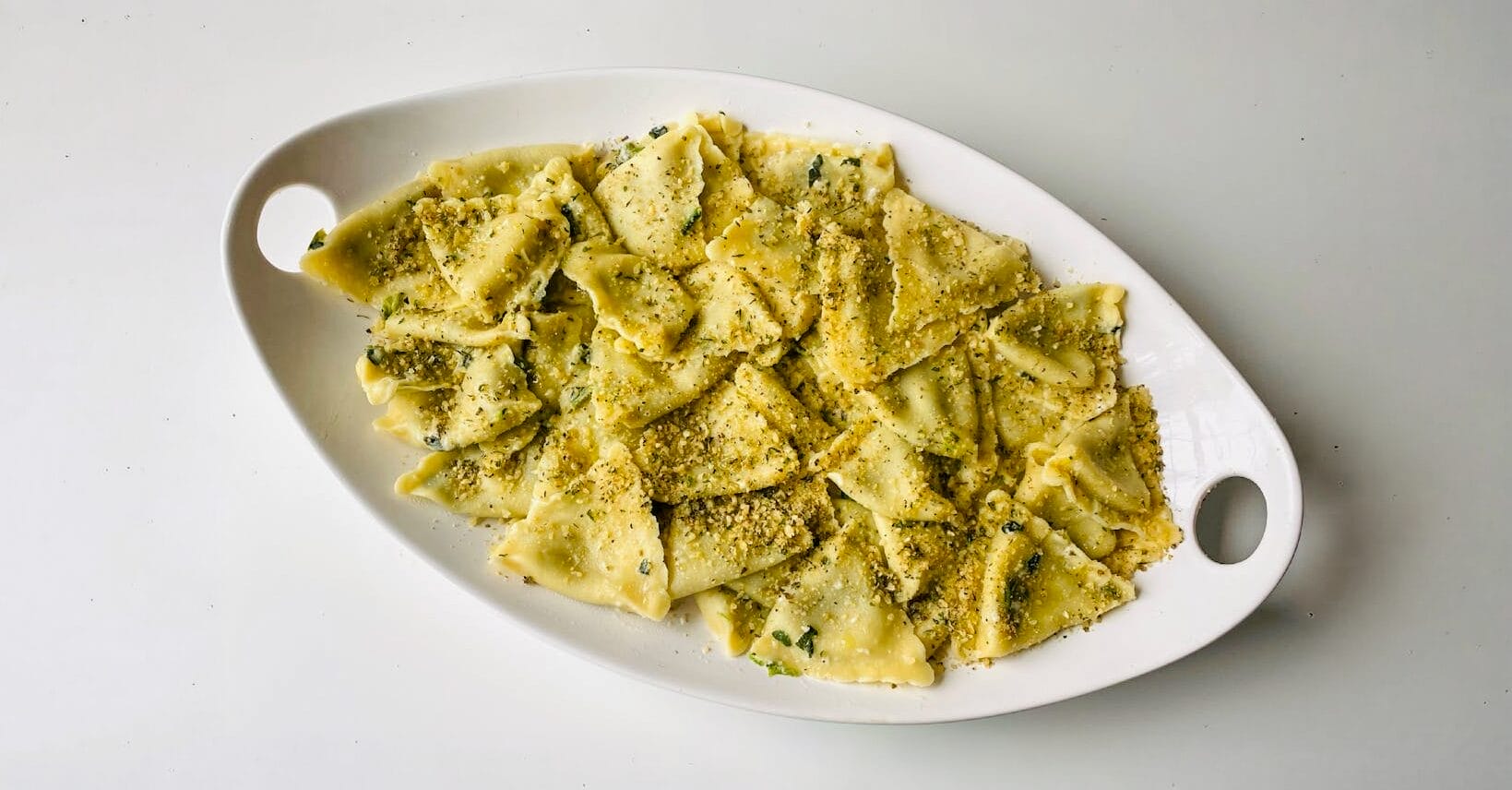
National Ravioli Day celebrates one of the most recognizable dishes in Italian cuisine and highlights the long culinary history of filled pasta. National Ravioli Day reflects the evolution of ravioli from a regional Italian food into a globally recognized pasta dish enjoyed in restaurants and home kitchens around the world. While ravioli are often associated with Italian restaurants today, their origins reach back centuries to early forms of stuffed pasta created as a practical way to combine wheat dough with flavorful fillings.
The defining feature of ravioli is its structure. Sheets of pasta dough made from wheat flour and eggs are filled with ingredients such as ricotta cheese, meat, vegetables, or herbs before being sealed and cooked in boiling water. This technique protects the filling while allowing the pasta exterior to soften and absorb sauces. The result is a dish that balances texture, flavor, and aroma.
The ingredient microhistory central to ravioli is durum wheat. Durum wheat thrives in Mediterranean climates and produces semolina flour with strong protein content. This protein network gives pasta dough elasticity and durability, allowing it to be rolled thin without tearing. Durum wheat cultivation expanded throughout southern Europe, making pasta an essential part of regional diets.
Ravioli emerged during the Middle Ages when Italian cooks began enclosing savory fillings within pasta sheets. The technique allowed cooks to stretch small quantities of ingredients across many servings, making ravioli both practical and economical. Fillings often reflected local agriculture, including cheeses, herbs, and seasonal vegetables.
Migration played a major role in the spread of ravioli beyond Italy. During the nineteenth and early twentieth centuries, Italian immigrants brought pasta-making traditions to North and South America. Restaurants and family kitchens adapted ravioli recipes to new ingredients while maintaining the core structure of filled pasta.
National Ravioli Day highlights how a simple culinary technique rooted in wheat agriculture and Italian cooking traditions evolved into a widely celebrated dish that bridges cultures and cuisines.
National Ravioli Day highlights the deep agricultural foundation behind pasta-based dishes. Durum wheat farming remains essential to pasta production and is cultivated widely in Mediterranean climates as well as parts of North America. Wheat farming, milling, and pasta manufacturing form interconnected economic systems that supply ingredients for dishes like ravioli.
Sensory anthropology explains ravioli’s lasting appeal. The soft pasta shell contrasts with rich fillings that release aroma and flavor when cut open. Sauces such as tomato, butter and sage, or cream enhance these flavors and create a balanced dining experience.
Economically, ravioli demonstrates how traditional recipes maximize ingredient efficiency. A small quantity of filling can be distributed across many pieces of pasta, making the dish both economical and satisfying. Historically this efficiency helped households feed large families while minimizing food waste.
Regional variations across Italy demonstrate the diversity of ravioli traditions. In northern Italy, ravioli may contain meat or pumpkin fillings. In central regions, ricotta and spinach are common. Coastal areas sometimes incorporate seafood fillings, reflecting local fishing traditions.
A common misconception is that ravioli must contain meat. Many traditional recipes rely on cheese, vegetables, or herbs. These variations demonstrate how ravioli adapts to local agriculture and seasonal ingredients.
National Ravioli Day therefore reflects the cultural adaptability of Italian cuisine, showing how a single cooking method can produce countless regional interpretations.
Ancient Mediterranean period: Wheat cultivation expands throughout southern Europe, laying the foundation for pasta-based foods.
Middle Ages: Italian cooks begin enclosing fillings inside pasta sheets, creating early versions of ravioli.
16th to 18th centuries: Regional ravioli variations develop throughout Italy, incorporating local cheeses, meats, and vegetables.
19th century: Italian migration spreads pasta traditions, including ravioli, to the Americas.
Early 20th century: Mechanical pasta rollers and cutters allow commercial ravioli production.
Late 20th century: Refrigeration and freezing technology expand the distribution of packaged ravioli products.
21st century: Artisanal pasta makers and chefs revive traditional handmade ravioli techniques while experimenting with new fillings.
National Ravioli Day matters today because it highlights the enduring influence of Italian culinary traditions on global cuisine. Ravioli continues to appear in restaurants, home kitchens, and packaged food markets around the world.
Modern food systems ensure that pasta and wheat products remain widely available, though wheat production still depends on climate conditions and agricultural sustainability. As a result, dishes like ravioli remain closely tied to farming and grain production.
Sensory anthropology reinforces the appeal of ravioli as a comfort food. The combination of tender pasta, flavorful fillings, and aromatic sauces creates a dish that feels both familiar and satisfying.
Misconceptions about ravioli being limited to traditional recipes overlook the wide range of modern variations that incorporate seasonal vegetables, seafood, or plant-based ingredients.
Economic resilience also supports ravioli’s popularity because the dish can be prepared in large batches, preserved through freezing, and served across different dining contexts.
National Ravioli Day ultimately celebrates the connection between wheat agriculture, culinary tradition, and the creativity of cooks who continue to reinterpret filled pasta around the world.
