National Screenwriters Day
January 5, 2026

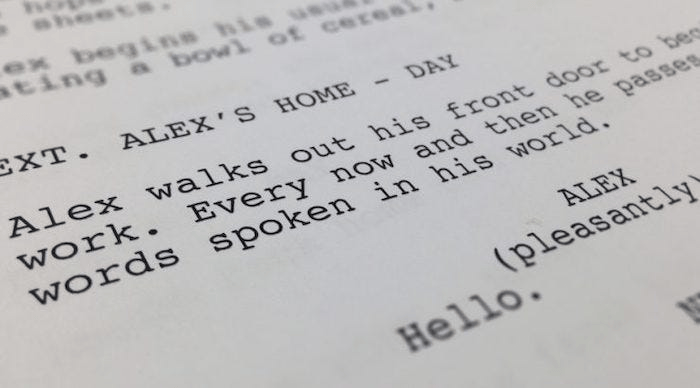
National Screenwriters Day is observed annually on January 5 and recognizes the role of screenwriters in shaping film and television storytelling. The observance emerged from industry and cultural recognition rather than formal proclamation.
Screenwriting developed alongside early cinema at the turn of the twentieth century. As films evolved from short novelty pieces into complex narratives, the need for structured scripts became essential. Early screenwriters often worked anonymously or under studio control, with limited creative recognition.
The studio system of the early Hollywood era further obscured authorship, treating scripts as industrial products rather than personal works. Over time, screenwriters organized for credit recognition, fair compensation, and creative authority.
National Screenwriters Day reflects this historical struggle for visibility and acknowledgment.
Screenwriters form the narrative foundation of film and television. While directors and actors receive public recognition, scripts determine structure, character, pacing, and theme.
Screenwriting influences how stories frame morality, identity, conflict, and resolution. Cultural memory of film and television often rests on dialogue and narrative moments crafted on the page.
The observance also acknowledges the collaborative nature of screenwriting. Writers operate within systems that include producers, studios, and audiences, balancing creative intent with practical constraints.
National Screenwriters Day emphasizes authorship in an industry where visibility is often unevenly distributed.
National Screenwriters Day remains relevant as content production accelerates across streaming platforms and global markets. Demand for scripted storytelling has expanded, increasing both opportunity and pressure for writers.
The observance highlights ongoing conversations about labor rights, creative ownership, and fair compensation in evolving media landscapes.
It also encourages audiences to recognize storytelling as authored work rather than anonymous content.
National Screenwriters Day matters because it affirms that stories shape culture, and writers shape stories.