National Shortbread Day
January 6, 2027

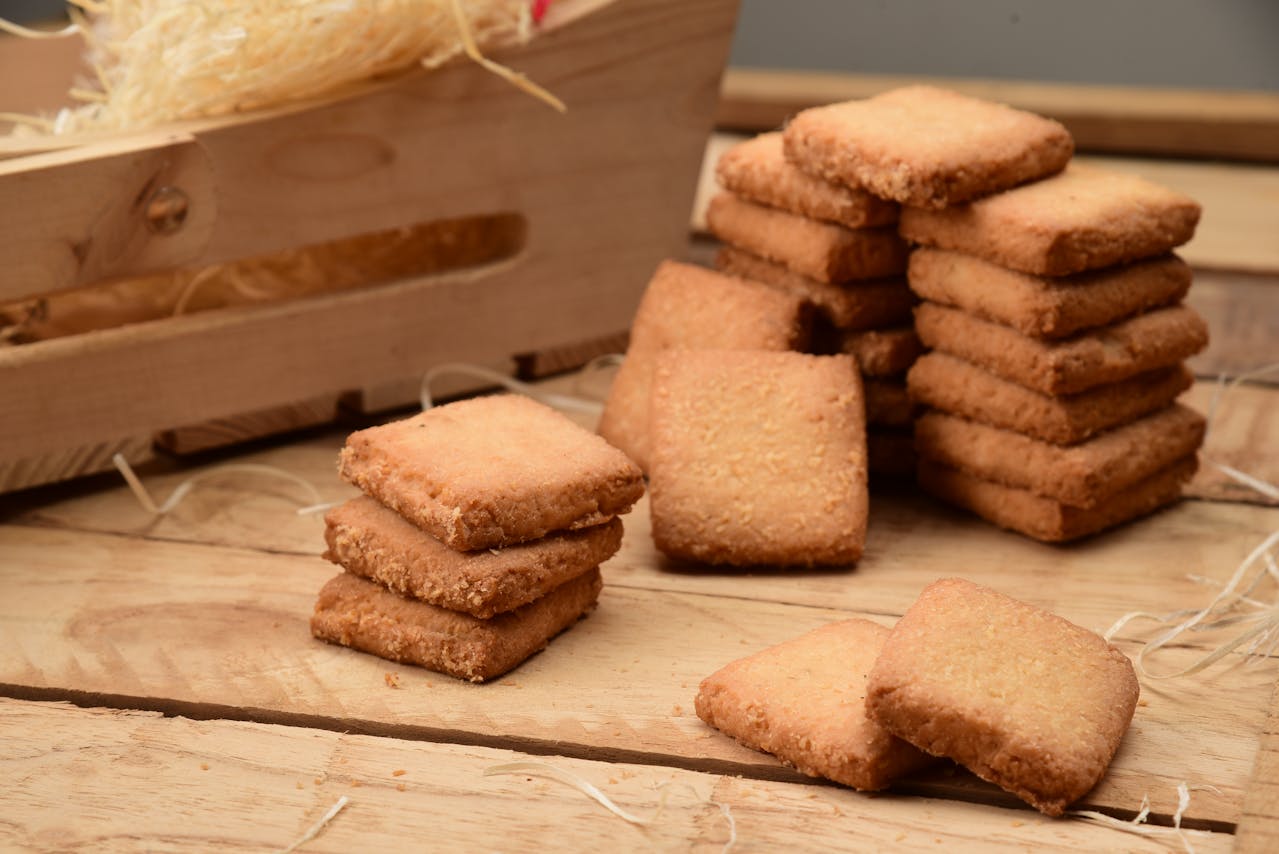
Shortbread is one of the clearest examples of how restraint in cooking can produce something enduring and beloved. At its core, shortbread relies on a short list of ingredients, traditionally flour, butter, and sugar, yet its cultural weight far exceeds its simplicity. The story of shortbread begins in medieval Scotland, where early bakers worked to avoid waste. Leftover bread dough was dried out in low ovens and rebaked into firm biscuits known as “biscuit bread.” Over time, cooks began enriching this dough with butter, gradually removing yeast and transforming a utilitarian staple into a tender, crumbly luxury.
The shift from bread to shortbread marked an important change in Scottish baking. Butter was expensive and closely tied to agricultural wealth, which meant that shortbread was not everyday fare. It became associated with celebrations, hospitality, and status. By the 16th century, shortbread had taken on forms that are still recognizable today. Large rounds were baked and cut into wedges, while narrow rectangular fingers were pressed with decorative patterns. One popular triangular style became known as “petticoat tails,” a name often linked to Mary, Queen of Scots, who was said to favor a crisp version flavored with caraway seeds.
As Scotland moved into the 18th century, shortbread became firmly tied to ritual and occasion. It was served at Christmas, Hogmanay, weddings, and other milestones. Recipes were guarded within families, passed down through generations with quiet pride. The absence of eggs or leavening meant that technique mattered. The quality of the butter, the gentleness of the mixing, and the patience of slow baking all determined success. Shortbread was no longer a byproduct of bread making. It had become a symbol of care, craftsmanship, and celebration.
What sets shortbread apart from other cookies is its texture. The word “short” refers to the way fat coats flour particles, limiting gluten development and producing a tender crumb. When butter is creamed with sugar, air is incorporated, but the structure remains delicate. Flour is folded in gently to avoid toughness. The dough is then pressed rather than rolled aggressively, preserving its fragile balance.
Traditional shortbread is baked at a low temperature, allowing the butter to melt slowly and the dough to set without browning too quickly. The goal is a pale biscuit with just a hint of golden color at the edges. Pricking the surface with a fork prevents bubbling and helps maintain an even texture. Once cooled, shortbread should break cleanly and dissolve softly on the tongue.
Modern bakers have introduced subtle refinements while respecting tradition. Rice flour or cornstarch is sometimes added to reduce gluten further and enhance tenderness. Granulated sugar has largely replaced older forms of sweetener, though powdered sugar creates a finer crumb. Flavor additions are usually restrained. Citrus zest, vanilla, rosemary, or lavender are used sparingly so the butter remains the star. Chocolate dipping or drizzling adds contrast without overwhelming the biscuit.
Commercial shortbread has also played a role in shaping its reputation. Scottish brands helped carry shortbread beyond regional borders, turning it into an international symbol of Scotland. While mass production offers consistency, homemade shortbread retains a tactile warmth. The aroma of butter and sugar baking slowly fills a kitchen in a way that feels both nostalgic and grounding, reinforcing why this recipe has endured with so little alteration.
National Shortbread Day on January 6 invites reflection on how a modest recipe became a cultural touchstone. It is a day that encourages slowing down, choosing quality ingredients, and paying attention to technique. Baking shortbread is not about speed or spectacle. It is about patience, restraint, and trust in simplicity.
Celebration can be as straightforward as baking a single pan and sharing it with tea or coffee. Shortbread pairs naturally with warm drinks, fruit preserves, or fresh berries. It can be crumbled over desserts, layered into trifles, or served alongside ice cream. Because it stores well, shortbread is also a gift meant to be shared, echoing its historical role in hospitality.
National Shortbread Day is also an opportunity to connect with food history. Few recipes illustrate the relationship between scarcity, celebration, and technique as clearly as shortbread. Each bite carries the imprint of generations of bakers who refined it not by adding more, but by perfecting less. In honoring shortbread, we honor a tradition that proves elegance does not require complexity, only care.