National Spaghetti Day
January 4, 2027

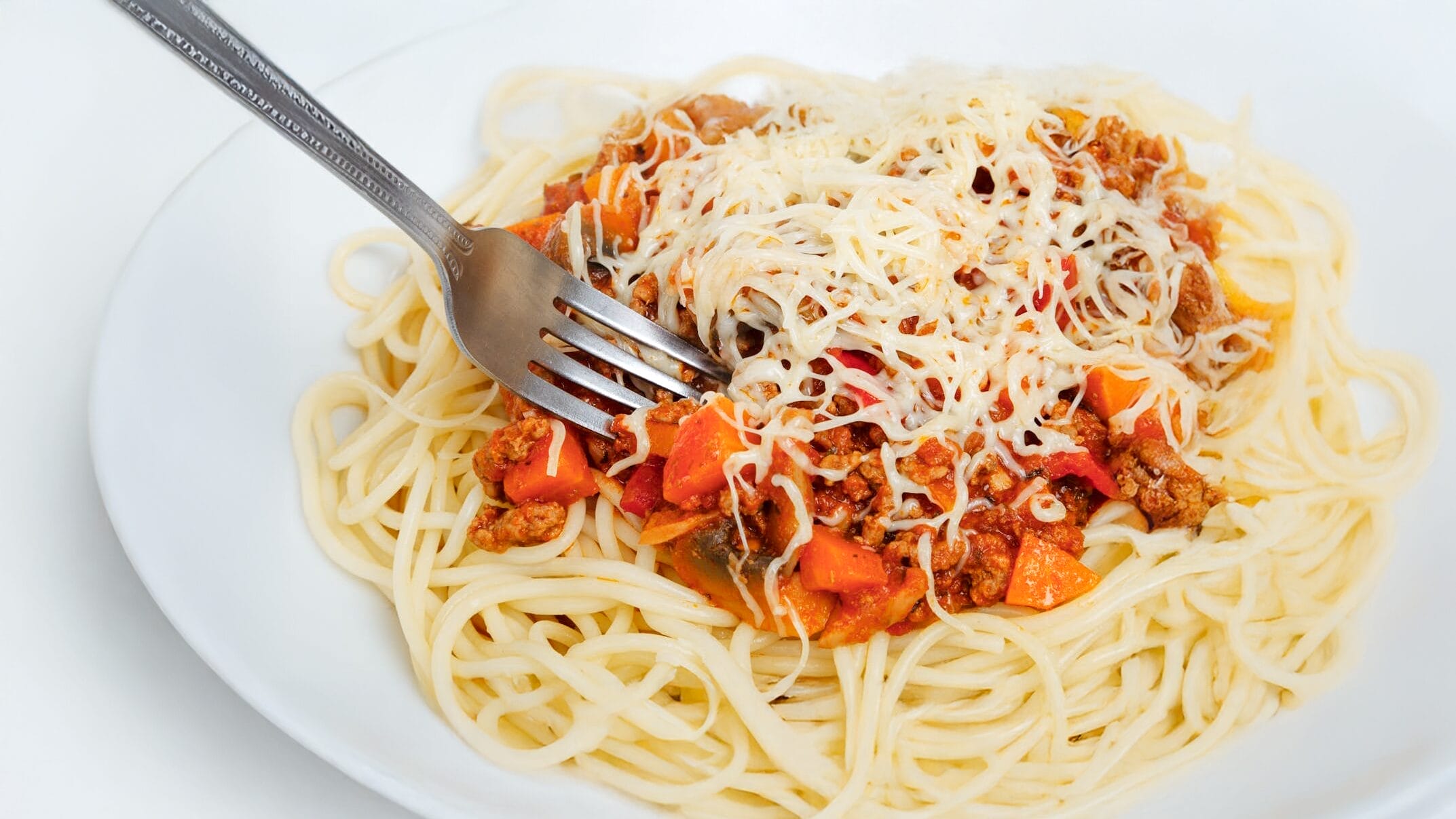
Spaghetti looks simple on the plate, but its story stretches across continents, centuries and cultures. Long before it became shorthand for Italian cuisine, people were already turning grains into strands and sheets. Archaeologists have uncovered 4,000-year-old noodles in China, while ancient Mediterranean civilizations prepared doughs from wheat and barley. What distinguishes spaghetti is not the idea of pasta itself, but the refinement of a specific form: long, thin strands made from durum wheat semolina, designed to be dried, stored and cooked to a resilient bite.
The spaghetti we recognize today took shape in southern Italy, particularly Sicily and Naples. During the 9th century, Arab rulers in Sicily introduced advanced techniques for drying extruded pasta, allowing it to survive long journeys without spoiling. By the 12th century, written records describe long strands of dried pasta called tria, a direct ancestor of modern spaghetti. The name itself comes from spago, Italian for string or twine, a nod to its distinctive shape.
In Naples during the 17th and 18th centuries, pasta production became both craft and industry. Artisans worked durum wheat dough by hand and foot, pressing it through bronze dies that gave the strands a slightly rough surface. This texture mattered. It helped sauces cling, turning spaghetti from a filler into a vehicle for flavor. Sun-drying racks lined streets and courtyards, transforming pasta from a local food into a commodity that could feed cities.
Tomatoes, brought to Europe from the Americas, were initially viewed with suspicion. Over time, Neapolitan cooks embraced them, discovering that their acidity and sweetness balanced pasta’s earthy richness. By the 19th century, spaghetti al pomodoro had become everyday food for laborers and street vendors. Cheap, filling and satisfying, it was eaten with the hands long before forks became common.
When Italian immigrants arrived in the United States, they brought spaghetti with them. Early Italian restaurants introduced it as something unfamiliar and exotic. By the mid-20th century, dried pasta and jarred sauces had entered American supermarkets, cementing spaghetti as a household staple far beyond its place of origin.
Spaghetti’s strength lies in its versatility. It can anchor a slow-simmered meat ragù, disappear into a silky sauce of eggs and cheese, or shine with nothing more than olive oil, garlic and chili flakes. It adapts to regional traditions without losing its identity. From clams and white wine along the coast to pecorino and black pepper in central Italy, spaghetti absorbs culture as easily as sauce.
Its structure also matters. Properly cooked spaghetti has tension and elasticity, a balance of firmness and give that makes each bite satisfying. That sensory experience, often called al dente, is one reason spaghetti feels comforting without being heavy.
National Spaghetti Day on January 4 is an opportunity to appreciate how much history lives in a pot of boiling water. You might spend the day making sauce from scratch, revisiting a family recipe, or exploring a regional Italian preparation you’ve never tried. Even a simple bowl finished with good olive oil and grated cheese honors the craft behind the noodle.
Spaghetti reminds us that food doesn’t have to be complicated to be meaningful. Flour, water and time are enough. When you twirl spaghetti around your fork, you’re not just eating dinner — you’re participating in a tradition shaped by migration, necessity and shared tables. That quiet continuity is what makes spaghetti more than pasta. It makes it timeless.