National Spinach Day
March 26, 2028

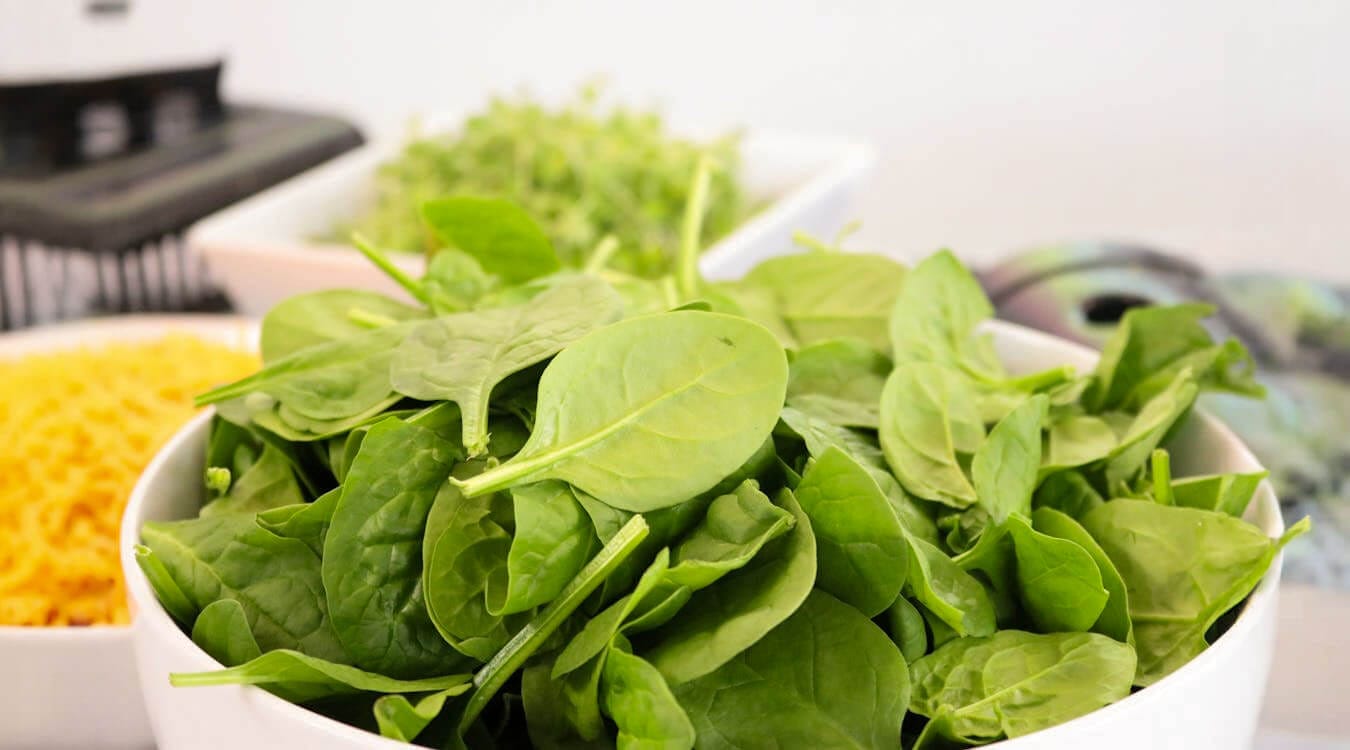
National Spinach Day is observed annually on March 26th throughout the United States, celebrating one of the world’s most nutritionally dense leafy greens and a vegetable that has sustained human populations for over 2,000 years. This food holiday honors spinach in all its forms, from tender baby spinach in fresh salads to cooked preparations that concentrate its iron-rich, vitamin-packed nutrition into comforting side dishes and main courses. National Spinach Day falls within the broader category of vegetable-focused observances that promote produce consumption and agricultural awareness. While primarily celebrated in the United States, spinach cultivation and consumption span the globe, with the plant thriving in temperate climates across Asia, Europe, and the Americas. The timing in late March coincides with early spring harvests in some growing regions, though modern agriculture and global supply chains make spinach available year-round. Whether enjoyed raw in smoothies and salads, sautéed with garlic as a simple side dish, layered into lasagna, or incorporated into countless international preparations from Indian palak paneer to Greek spanakopita, National Spinach Day invites participants to appreciate a vegetable that combines impressive nutrition, culinary versatility, and deep cultural significance across multiple food traditions.
Spinach’s origins trace to ancient Persia, modern-day Iran, where the plant was cultivated as early as 2,000 years ago. The Persian word “aspanakh” eventually evolved into “spinach” through various linguistic transformations as the vegetable spread westward. Persian cultivation expertise produced the foundation varieties from which all modern spinach descends, making ancient Persian agricultural innovation directly relevant to contemporary eating. Arab traders and conquerors carried spinach throughout the Middle East and into North Africa, where it became integrated into regional cuisines and agricultural systems.
Spinach reached Europe through multiple routes during the medieval period. Moorish agricultural influence brought spinach to Spain by the 11th century, where it thrived in Andalusian gardens and entered Spanish culinary traditions. The plant spread gradually northward through Europe, reaching France, Germany, and England by the 14th and 15th centuries. European cultivation accelerated during the Renaissance as agricultural treatises documented spinach growing techniques and cookbooks began including spinach recipes. Catherine de Medici’s preference for spinach, documented in 16th-century accounts, helped elevate the vegetable’s status in French cuisine. Dishes labeled “Florentine” often indicate spinach content, reportedly honoring Catherine’s Florentine origins.
Colonial exchange brought spinach to the Americas, where it found favorable growing conditions across diverse climates. Thomas Jefferson cultivated spinach at Monticagello, documenting varieties and harvest dates in his meticulous garden records. American colonists initially viewed spinach primarily as medicinal rather than culinary, prescribing it for various ailments based on humoral medicine theories. As American agriculture industrialized through the 19th century, spinach production scaled up, particularly in regions with suitable growing conditions like California’s Salinas Valley and the areas around Crystal City, Texas, which proclaimed itself the “Spinach Capital of the World.”
The 20th century brought dramatic changes to spinach’s cultural status, largely through the unlikely influence of a cartoon character. Popeye the Sailor Man, created by Elzie Crisler Segar in 1929, popularized spinach among American children by depicting the vegetable as a source of instant superhuman strength. The cartoon’s impact on spinach consumption proved so significant that spinach growers erected a statue of Popeye in Crystal City, Texas, in 1937, honoring the character’s contribution to their industry. This pop culture phenomenon coincided with growing nutritional science demonstrating spinach’s genuine health benefits, creating a powerful combination of entertainment appeal and scientific validation.
Modern spinach production reflects dramatic agricultural changes, with breeding programs developing varieties optimized for different uses. Baby spinach, harvested early for tender leaves perfect in fresh salads, represents one major category. Mature spinach for cooking applications offers different texture and more concentrated nutrition per volume. Savoy spinach, with crinkled leaves, provides classic appearance and hearty texture. Flat-leaf spinach processes more efficiently for commercial frozen and canned products. These specialized varieties allow spinach to serve diverse culinary needs from fresh market sales to industrial food processing.
The timeline of spinach cultivation reveals the vegetable’s gradual spread across continents and integration into diverse food cultures. Around 2,000 years ago, Persian agriculturalists cultivated the original spinach varieties, establishing techniques that would be carried westward through trade and conquest. By the 11th century CE, spinach had reached Spain through Moorish influence, beginning its European journey. The 14th and 15th centuries saw spinach spread throughout Europe, appearing in French, German, and English gardens and gradually entering European culinary traditions.
The 16th century marked spinach’s elevation in European cuisine, particularly in Italy and France where it became associated with sophisticated cooking. Catherine de Medici’s documented preference for spinach helped establish its culinary credentials among European nobility. Colonial settlers brought spinach to North America in the 17th century, though it remained relatively minor in American diets compared to European consumption patterns. The 18th century saw increased American cultivation, with Thomas Jefferson among the prominent citizens documenting spinach growing at Monticello beginning in the 1770s.
The late 19th century brought industrial-scale spinach production in the United States, particularly in California and Texas. In 1896, the first commercial spinach canning operations began, making spinach available year-round and introducing it to populations far from growing regions. The 1920s saw development of frozen food technology, with frozen spinach becoming one of the first commercially successful frozen vegetables. Clarence Birdseye’s quick-freezing method preserved spinach’s color, texture, and nutrition better than traditional preservation methods.
The year 1929 marked a cultural turning point with Popeye’s debut in Thimble Theatre comic strip. The character’s association with spinach consumption influenced an entire generation of American children, reportedly increasing spinach sales by 33 percent during the 1930s. The establishment of National Spinach Day as an annual observance occurred during the late 20th century, though exact founding details remain unclear. The observance gained recognition through agricultural promotion boards, nutrition advocacy groups, and social media amplification in the 21st century, cementing March 26th as a day for celebrating this nutritious leafy green.
National Spinach Day matters because it promotes consumption of one of the most nutritionally impressive vegetables available, addressing dietary patterns that chronically under-include leafy greens. Spinach provides exceptional amounts of vitamins A, C, and K, along with folate, iron, calcium, and numerous beneficial plant compounds including lutein and zeaxanthin for eye health. A single cup of cooked spinach delivers substantial portions of daily nutrient needs for remarkably few calories, making it invaluable for nutrition-focused eating. The observance creates opportunities for nutrition educators, health professionals, and food advocates to share this information with audiences who may dismiss spinach as boring or associate it only with canned versions.
The holiday also supports agricultural communities and celebrates farming expertise required for quality spinach production. Spinach cultivation demands specific knowledge about timing, as the plant bolts and turns bitter in excessive heat. Growers must carefully manage irrigation, pest control, and harvest timing to produce the tender, flavorful leaves consumers expect. California’s Salinas Valley produces most American spinach, supporting thousands of jobs in growing, harvesting, processing, and distribution. National Spinach Day recognizes these agricultural workers and the complex supply chains that deliver fresh spinach to tables nationwide, often within days of harvest.
From a culinary perspective, National Spinach Day encourages exploration of spinach’s versatility across global cuisines. Indian palak paneer showcases spinach in spiced, creamy preparations that highlight the vegetable’s ability to absorb and complement bold flavors. Greek spanakopita demonstrates spinach’s affinity for phyllo dough, feta cheese, and herbs. Japanese ohitashi presents spinach simply, blanched and dressed with dashi and soy sauce. Italian preparations incorporate spinach into pasta, risotto, and as a bed for fish or chicken. These diverse applications demonstrate that spinach transcends cultural boundaries, adapting to countless flavor profiles and cooking techniques.
The observance also addresses food safety and quality considerations important for leafy greens. Spinach has occasionally been implicated in foodborne illness outbreaks, making proper washing, handling, and storage essential. National Spinach Day provides opportunities to educate consumers about these practices, from thoroughly rinsing fresh spinach to properly storing it in refrigerators to recognizing spoilage signs. Understanding these practical considerations helps consumers enjoy spinach safely while minimizing food waste from improper storage or preparation.
Finally, National Spinach Day matters because it connects contemporary eaters to agricultural history and food culture spanning two millennia. The spinach consumed today descends directly from varieties cultivated in ancient Persia, representing unbroken agricultural tradition maintained across civilizations, empires, and continents. Understanding this deep history creates appreciation for the cumulative human knowledge embedded in something as simple as a bunch of spinach at the grocery store. The observance on March 26th thus celebrates not just a vegetable, but the agricultural wisdom, cultural exchange, and sustained cultivation that transformed a Persian plant into a global staple, nourishing populations worldwide while demonstrating food’s power to transcend borders and unite diverse culinary traditions around shared ingredients.
