National Sponge Cake Day
August 23, 2026

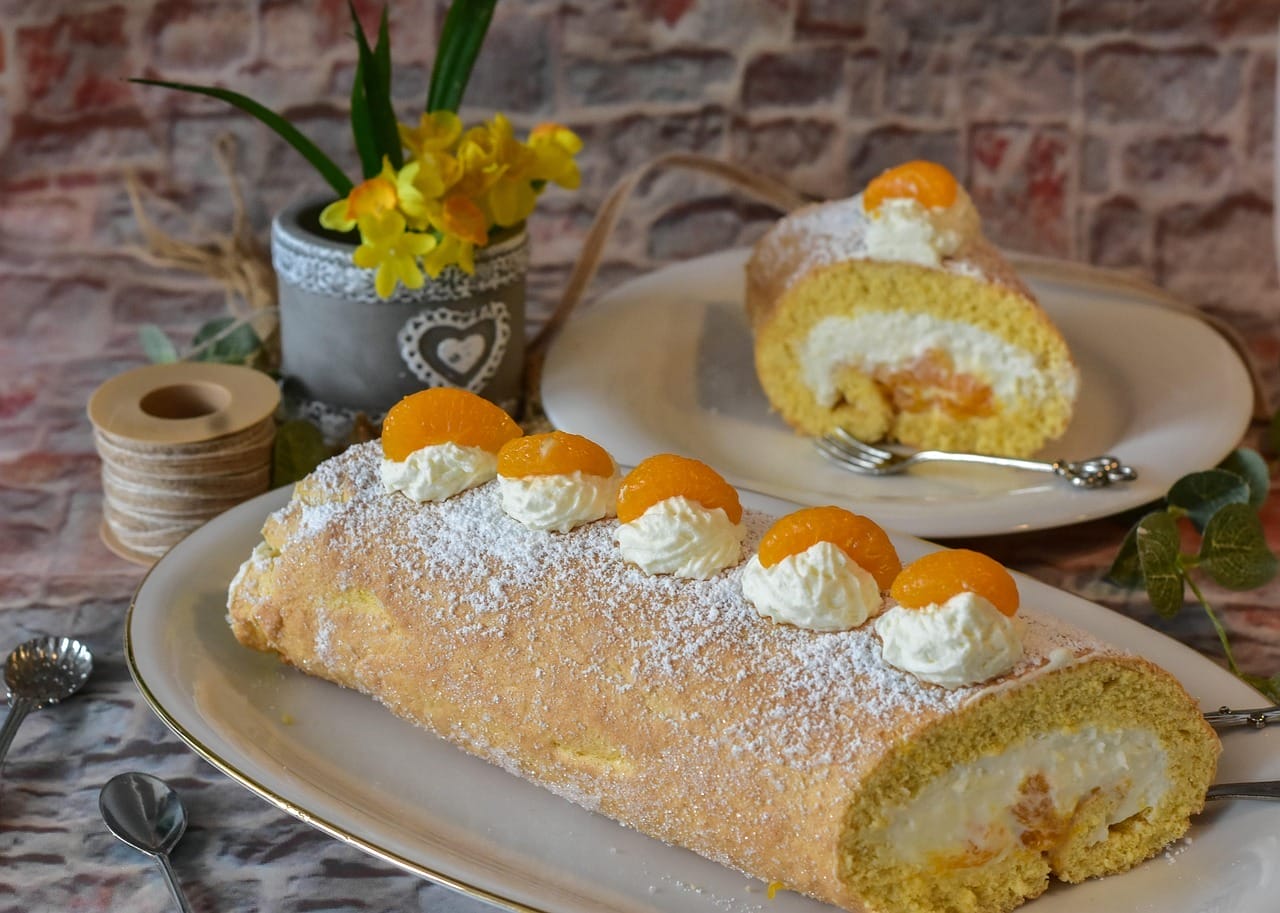
A true sponge cake is more air than anything else. Unlike butter cakes, sponges rely on whipped eggs for their rise, creating a structure of tiny bubbles that results in an airy crumb. The cake’s origins are entwined with the discovery in 17th‑century Europe that beaten eggs could act as a leavening agent. Genoese bakers developed a batter called pâte génoise, in which whole eggs and sugar are warmed and beaten to ribbon stage before flour and melted butter are folded in. The resulting cakes were used for layered desserts and trifle bases. In the Victorian era, sponge cake became associated with afternoon tea; Queen Victoria herself reportedly enjoyed slices of sponge filled with jam and cream. National Sponge Cake Day invites you to master this deceptively simple technique. Begin by separating eggs and whipping the whites to glossy peaks, then beat the yolks with sugar until pale and thick. Fold the two together gently along with sifted flour and a little lemon zest. Bake in an ungreased tube pan so the batter can cling to the sides and rise tall. When you slice it, the cake should spring back under your finger like a pillow. Enjoy it plain with powdered sugar, sandwich it with berries and cream or soak it in citrus syrup. The lightness of sponge cake belies its staying power—it has been delighting tea tables for centuries and continues to be the perfect canvas for seasonal toppings.