National Stuffing Day
November 21, 2028

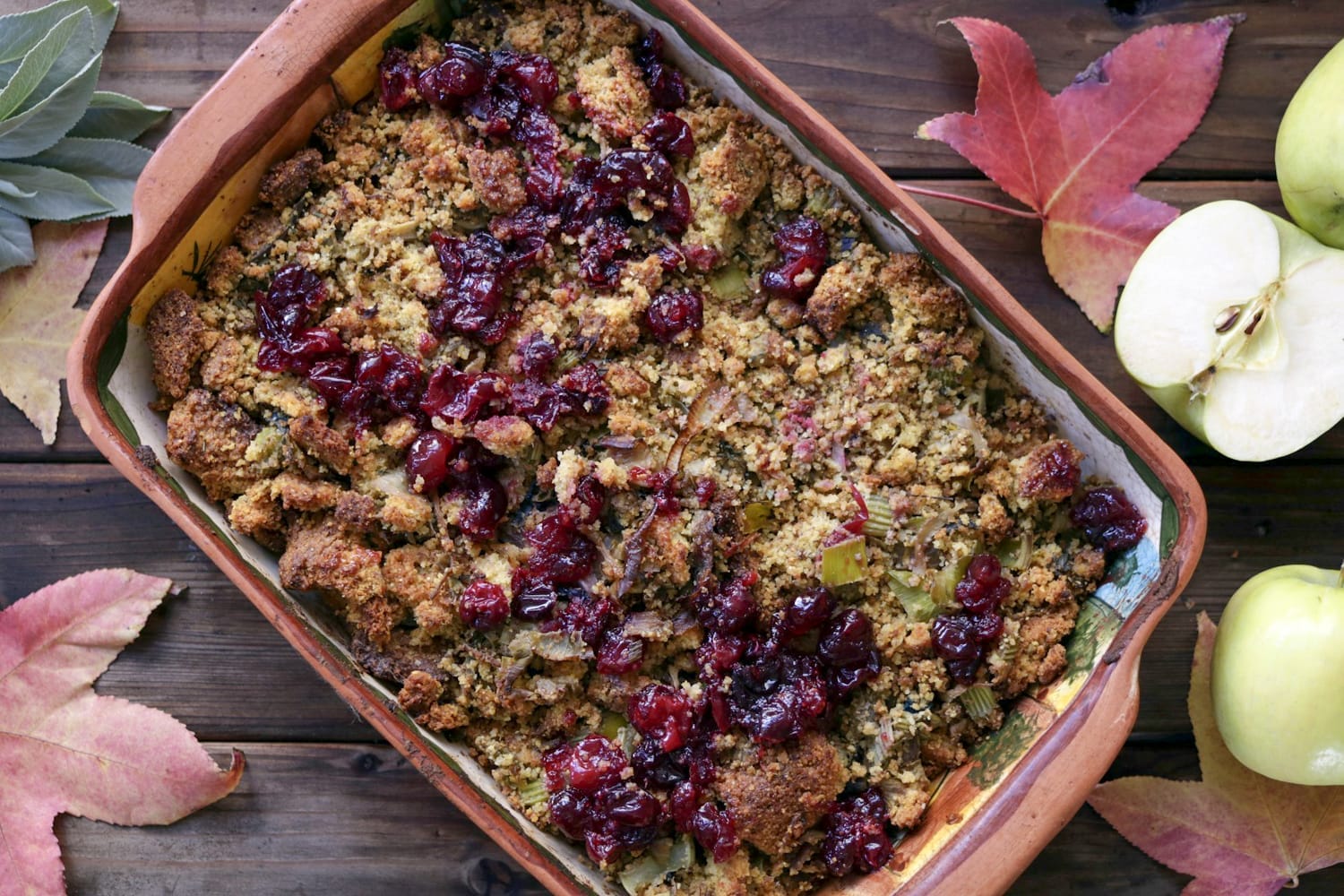
Stuffing—or dressing, depending on where you live—has been part of festive tables for centuries. Recipes for filled birds and baked breads span civilizations and continents, from the Roman Empire to the modern American kitchen. National Stuffing Day, celebrated on November 21, pays homage to this humble yet essential dish that brings warmth, aroma, and tradition to the holiday season. Whether baked inside a turkey or browned in a casserole, stuffing represents the heart of communal cooking—simple ingredients elevated by care and shared memory.
The earliest known record of stuffing appears in Apicius, a Roman cookbook from the 1st century CE, which includes a recipe for stuffed dormice seasoned with herbs. Medieval cooks in Europe refined the practice, filling birds and game with mixtures of breadcrumbs, spices, and dried fruits. When European settlers arrived in North America, they adapted these recipes to new landscapes and Indigenous ingredients—combining bread with cornmeal, wild rice, chestnuts, and oysters. By the 19th century, sage and onion dressing had become a Thanksgiving staple, perfectly suited to accompany roasted turkey and gravy.
Across the United States, stuffing reflects regional tastes and family customs. In the South, crumbled cornbread provides a buttery, crumbly base seasoned with celery, onion, and poultry herbs. New England cooks add oysters for a touch of brine, while Midwesterners favor breakfast sausage, apples, or chestnuts for richness. Western kitchens might fold in chorizo, roasted chiles, or sourdough cubes, creating bold variations that blend local flavors. Every family’s recipe tells a story—of migration, adaptation, and the enduring love of good food shared around a full table.
While the words are often used interchangeably, “stuffing” traditionally refers to the mixture cooked inside the bird, while “dressing” is baked separately in a pan. Food safety experts now recommend the latter method, which ensures even cooking and creates a crisp, golden crust. Either way, the dish’s essence remains the same: bread, broth, herbs, and vegetables bound by tradition and flavor. Stirring these ingredients together marks the unofficial beginning of the holiday season—a quiet, comforting ritual passed down through generations.
National Stuffing Day is an invitation to celebrate creativity as well as continuity. Home cooks experiment with new ingredients like wild mushrooms, cranberries, roasted garlic, or pecans. Vegetarians craft plant-based versions using vegetable broth, caramelized onions, and roasted root vegetables. Bakers choose hearty loaves like sourdough or rye for deeper flavor, while others incorporate grains like quinoa or farro for a modern twist. The beauty of stuffing lies in its flexibility—it welcomes innovation while honoring the comfort of the familiar.
More than a side dish, stuffing embodies the essence of hospitality—transforming simple staples into something worth celebrating. Its ingredients are modest, its flavors familiar, yet it captures the warmth of home and the joy of sharing. On National Stuffing Day, as you stir bread and broth together, think of the centuries of cooks who have done the same. The tradition endures not because it’s perfect, but because it’s personal—a reminder that even humble food can feed both body and soul.