National Taco Day
October 4, 2026

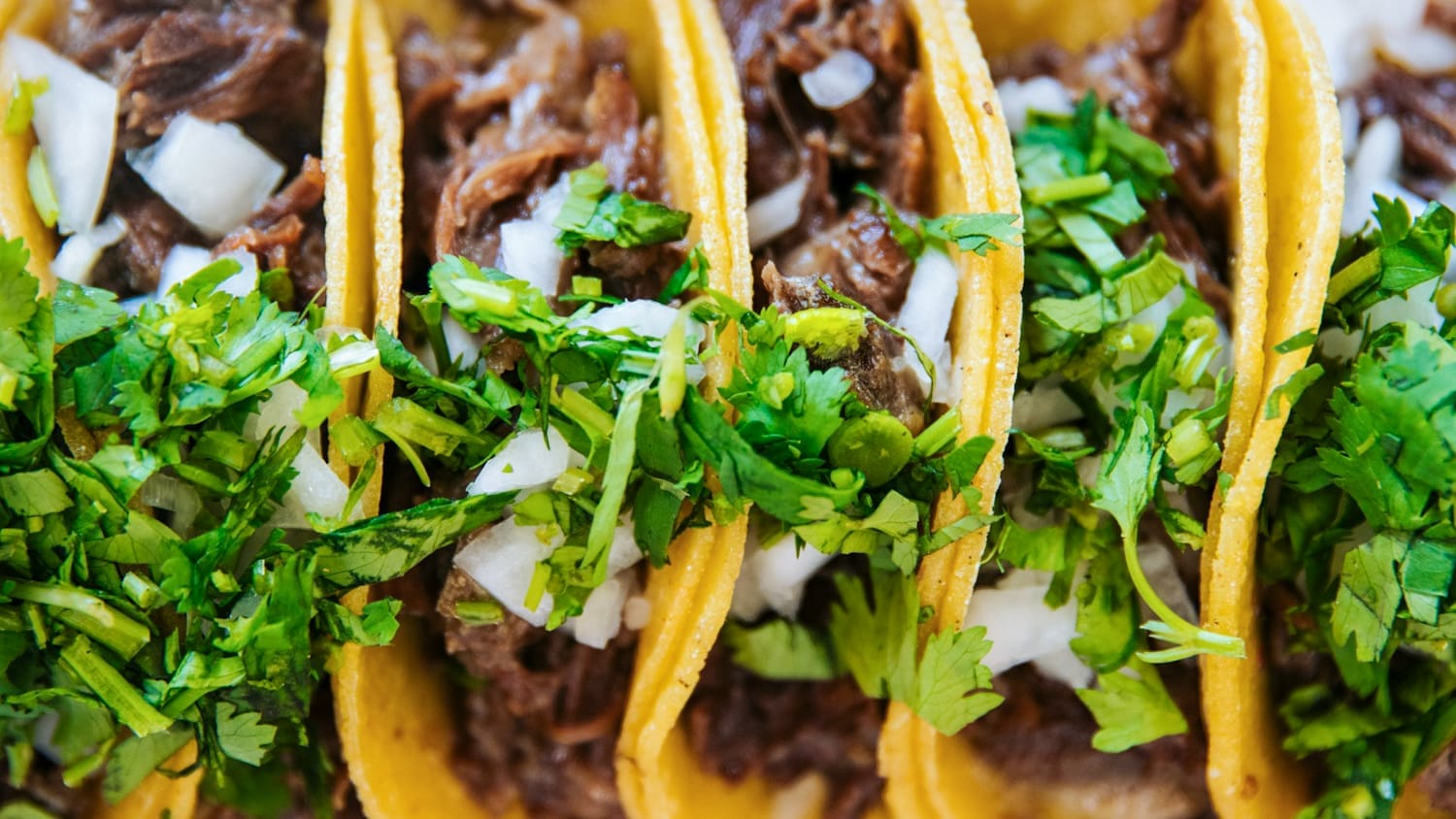
October 4 is often playfully dubbed National Taco Day, a counterpart to Taco Tuesday and a celebration of one of the world’s most beloved handheld foods. The taco is simple in form yet endlessly complex in flavor and meaning. Whether soft or crunchy, stuffed with traditional fillings or global fusions, it remains a dish that connects people across generations and geographies. To honor the day is to honor a food that embodies resilience, creativity, and joy.
The taco’s precise origins are hazy, but its roots reach deep into Mesoamerican history. Indigenous communities cultivated corn thousands of years ago, grinding it into masa and shaping thin cakes cooked on clay comals. These tortillas were both staple and utensil, cradling fillings that reflected the land: beans and chilies, roasted squash blossoms, fish, and venison. Anthropologists note that in the 18th century, Mexican miners used the word “taco” for charges of gunpowder wrapped in paper to blast ore. Some believe the culinary taco borrowed its name from this explosive package—a fitting metaphor for the burst of flavor packed into every bite.
In the United States, the taco’s story is intertwined with migration, adaptation, and commerce. By the early 20th century, Mexican food vendors in Los Angeles and San Antonio served tacos to working communities and curious tourists alike. Chili queens, famous for their fiery stews and tortillas, attracted crowds who wanted a taste of something vibrant and new. Over time, fast food chains helped spread tacos nationwide, with crunchy hard-shell versions becoming fixtures of American dining tables.
In 1968, a San Antonio congressman attempted to establish May 3 as National Taco Day. The resolution failed, but the impulse to celebrate spoke volumes about the taco’s growing ubiquity. Later, marketing campaigns pushed other dates, and eventually October 4 became widely recognized as the day to raise a tortilla in tribute. Regardless of its official status, the taco had already cemented its role as one of America’s favorite foods.
The taco’s adaptability is its superpower. In Mexico alone, countless regional styles flourish: Baja’s crisp fish tacos topped with cabbage and crema; Yucatan’s cochinita pibil flavored with achiote and citrus; northern carne asada grilled over mesquite; and Mexico City’s al pastor, shaved from vertical spits in a swirl of pineapple-scented juices. Street vendors offer nopales (cactus paddles) folded into warm tortillas, while breakfast tacos in Texas brim with eggs, potatoes, and chorizo.
Fusion has pushed the taco even further. Korean food trucks layer bulgogi and kimchi into tortillas; chefs riff with fillings like roasted sweet potatoes, jackfruit, or smoked brisket. Vegetarian and vegan tacos now claim their own space at the table. Through it all, the core remains the same: a circle of masa or flour transformed into a vessel for creativity, flavor, and nourishment.
A taco is more than the sum of its parts. It is the charred aroma of meat on a hot griddle, the squeeze of lime over cilantro and onion, the salsa that makes you sweat and smile. It is a food of gatherings, eaten standing up by a street cart, perched on a barstool, or shared around a kitchen table. On National Taco Day, the point is not just indulgence but connection—between cultures, communities, and cuisines.
Celebrate by seeking out a taquería that hand-presses its tortillas and stews carnitas until tender. Try a new combination at home, from roasted vegetables with chipotle crema to seafood topped with crisp slaw. Mix a pitcher of margaritas or horchata to share, set out bowls of salsa, and let friends build their own creations. On October 4, every taco becomes a toast—to the farmers who grow the corn, the cooks and vendors who keep traditions alive, and the enduring delight of food that is both ancient and ever new.