National Tartar Sauce Day
February 20, 2029

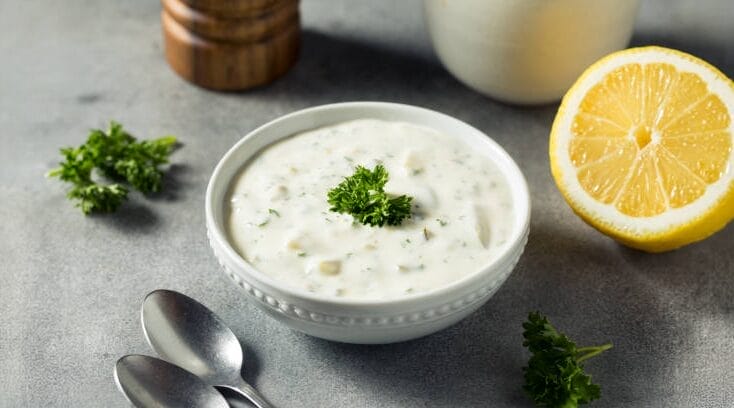
National Tartar Sauce Day is observed annually on February 22 and recognizes a condiment whose origins lie in European culinary traditions and whose evolution reflects the blending of preservation techniques and flavor contrast. Tartar sauce developed as a derivative of mayonnaise, which itself emerged in French cuisine during the eighteenth century.
Mayonnaise, made from emulsified egg yolk and oil, provided a stable base for additional ingredients. Over time, cooks began incorporating chopped pickles, capers, herbs, and acidic components to create sauces suited for seafood and fried dishes. The resulting preparation became known as sauce tartare.
The name likely references the Tatars of Central Asia, though the connection is more symbolic than literal. European naming conventions often used exotic references to suggest bold or sharp flavors.
As seafood consumption expanded in coastal regions and later in inland markets, tartar sauce became closely associated with fried fish. Its acidity and texture complemented the crisp exterior of battered seafood.
National Tartar Sauce Day reflects how sauces evolve through adaptation and pairing rather than standalone identity.
Tartar sauce is culturally significant because it illustrates how condiments transform dishes. Its purpose is not to dominate but to enhance, providing balance through acidity and texture.
In many regions, tartar sauce became a standard accompaniment to fish fries, reinforcing communal dining traditions tied to religious or regional customs.
The condiment also reflects broader culinary principles of contrast. Fried foods benefit from acidity to cut through richness, and tartar sauce provides that structural counterpoint.
National Tartar Sauce Day highlights how sauces contribute to identity by anchoring specific food pairings.
National Tartar Sauce Day remains relevant because it underscores the importance of supporting elements in cuisine. Main dishes often receive attention, but condiments shape experience.
The observance also invites reflection on culinary lineage. Modern variations of tartar sauce demonstrate how traditional emulsions continue to adapt.
In contemporary dining, where customization is common, sauces like tartar provide continuity.
National Tartar Sauce Day matters because it honors a condiment that quietly defines flavor balance in seafood traditions.

