National Tater Day
March 31, 2029

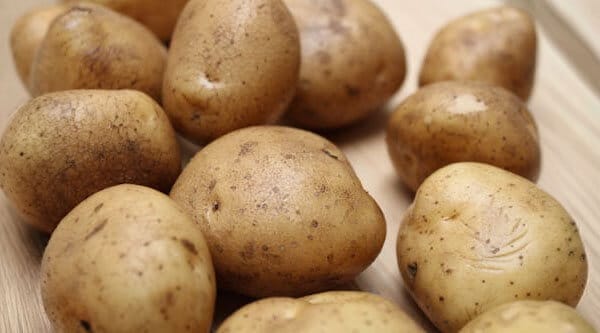
National Tater Day is observed annually on March 31st throughout the United States, celebrating the humble potato in all its starchy, versatile glory while also commemorating a unique American tradition rooted in rural Kentucky. This food holiday serves dual purposes: honoring the potato as a foundational crop that has sustained populations globally for centuries, and recognizing the historic Tater Day festival in Benton, Kentucky, which has operated continuously since 1843, making it one of America’s oldest trade days. National Tater Day falls within the broader category of agricultural celebrations that connect contemporary eaters to farming heritage and regional food traditions. While the national observance has gained recognition across the United States, the original Tater Day festival remains deeply connected to western Kentucky, where farmers once gathered to trade sweet potato slips before the spring planting season. The timing in late March coincides with traditional agricultural calendars in the South, when farmers prepared for spring planting and needed to acquire seed stock for their crops. Whether celebrating through the festival’s carnival atmosphere, preparing favorite potato dishes at home, or simply appreciating potatoes’ role in global food security, National Tater Day invites participants to recognize a crop that has fed more people than perhaps any other vegetable in human history.
The potato’s story begins roughly 8,000 years ago in the Andean highlands of present-day Peru and Bolivia, where indigenous peoples domesticated wild potato species into the hundreds of varieties that sustained complex civilizations. The Inca Empire relied heavily on potatoes, which thrived at high altitudes unsuitable for many other crops and could be preserved through freeze-drying into chuño that stored for years. This agricultural innovation allowed dense populations to survive in challenging mountain environments, creating the demographic foundation for one of history’s great civilizations. The diversity of Andean potatoes remains unmatched, with indigenous communities maintaining varieties exhibiting rainbow colors, varied textures, and distinct flavors lost in the handful of commercial varieties that dominate global markets.
Spanish conquistadors encountered potatoes in the 1530s and 1540s during their conquest of the Inca Empire. Initially, Europeans viewed potatoes with suspicion, associating them with poverty and concerned about their status as nightshades related to poisonous plants. The potato gained acceptance slowly, first in Spain and Ireland where it provided reliable calories in marginal agricultural lands. Ireland’s enthusiastic potato adoption proved both blessing and catastrophe. The crop’s productivity supported dramatic population growth through the 18th and early 19th centuries, but dependence on a single variety made the population vulnerable. When potato blight struck in the 1840s, destroying crops for several consecutive years, the resulting Great Famine killed approximately one million people and forced another million to emigrate, fundamentally altering Irish society and American demographics as refugees fled to the United States.
The potato’s spread across Europe and Asia transformed global agriculture and supported unprecedented population growth. The crop’s caloric productivity per acre exceeded wheat, allowing the same land to feed more people. Russia embraced potatoes extensively, with the crop becoming central to peasant diets. Frederick the Great of Prussia promoted potato cultivation aggressively, recognizing its potential to prevent famine and support his kingdom’s population. China adopted potatoes, which thrived in regions unsuitable for rice cultivation. This global dispersal meant that by the 19th century, a crop unknown outside South America 300 years earlier had become essential to billions.
In the United States, potatoes followed varied paths to acceptance. European immigrants brought potato-growing knowledge, while Native Americans in some regions had independently adopted potatoes from Spanish sources. Idaho emerged as America’s premier potato-growing state, with volcanic soil and irrigation from Snake River creating ideal conditions. The development of the Russet Burbank variety in the late 19th century provided a potato particularly suited to baking and eventually french fries, becoming the standard for American production. Sweet potatoes, botanically unrelated to true potatoes, followed separate trajectories but became associated with Southern agriculture and cuisine.
The original Tater Day in Benton, Kentucky, established in 1843, focused specifically on sweet potato slips, the vine cuttings farmers used for propagation. The festival created a marketplace where farmers traded slips before spring planting, combining agricultural necessity with social gathering. This practical function evolved into a broader celebration that persisted even as agricultural practices changed and sweet potato cultivation declined in importance. The festival’s survival for over 175 years represents remarkable continuity, maintaining connection to agricultural heritage through urbanization, industrialization, and fundamental changes in how Americans relate to farming.
The potato’s timeline spans from ancient Andean agriculture to contemporary global food systems. Around 8,000 years ago, indigenous peoples in the Peruvian and Bolivian highlands domesticated wild potatoes, beginning millennia of cultivation and variety development. By the time of the Inca Empire’s height in the 15th century, potatoes had become central to Andean civilization, with sophisticated preservation techniques allowing year-round consumption. Spanish conquistadors encountered potatoes in the 1530s and 1540s, bringing them to Europe where they initially met resistance and suspicion.
The 17th century saw gradual potato adoption in Spain and Ireland, though most of Europe remained skeptical. The 18th century brought wider acceptance as Frederick the Great promoted potatoes in Prussia and Ireland increasingly depended on the crop. The early 19th century marked potato’s establishment as a European staple, supporting population growth across the continent. The catastrophic Irish Potato Famine from 1845 to 1852 demonstrated both potatoes’ importance and the dangers of crop dependence, killing one million and forcing another million to emigrate.
In 1843, the first Tater Day festival took place in Benton, Kentucky, establishing the tradition that would eventually inspire National Tater Day observance. The festival focused on trading sweet potato slips among farmers preparing for spring planting, combining agricultural commerce with social gathering. Through the late 19th century, Idaho emerged as America’s premier potato-growing state, with the Russet Burbank variety, developed in the 1870s, becoming the dominant commercial potato. The early 20th century brought mechanization to potato farming, dramatically increasing yields and reducing labor requirements.
The mid-20th century saw frozen french fry development transform potatoes into fast food foundation, with McDonald’s and similar chains creating enormous demand for processing potatoes. The establishment of National Tater Day as a broader observance beyond the Benton festival occurred during the late 20th century, promoted through agricultural organizations and social media. The observance expanded the original festival’s focus from sweet potato slips to celebrating all potatoes, recognizing the crop’s global importance while maintaining connection to the Kentucky tradition’s agricultural roots.
National Tater Day matters because it celebrates a crop that provides more food security globally than perhaps any other vegetable. Potatoes produce more calories per acre than wheat, rice, or corn while requiring less water than rice cultivation. For populations facing food scarcity or agricultural challenges, potatoes offer reliable nutrition including vitamin C, potassium, fiber, and complex carbohydrates. The United Nations declared 2008 the International Year of the Potato, recognizing the crop’s importance for addressing global hunger and malnutrition. National Tater Day aligns with this recognition, creating awareness of potatoes’ role beyond familiar preparations like french fries and baked potatoes.
The observance also preserves connection to agricultural heritage and community traditions embodied in the Benton Tater Day festival. As rural populations decline and fewer Americans have direct connections to farming, events like Tater Day maintain cultural memory of agricultural practices and community gathering patterns that shaped American society. The festival’s 180-year continuity represents remarkable cultural persistence, adapting to changing times while maintaining core identity. Supporting such traditions through national recognition helps ensure their survival and introduces younger generations to heritage they might otherwise never encounter.
From a nutritional perspective, National Tater Day offers opportunities to educate consumers about potatoes’ legitimate place in healthy diets despite their unfair reputation in some nutrition circles. While french fries and potato chips deserve their reputation as less healthy preparations, potatoes themselves provide valuable nutrition when prepared appropriately. The negative perception stems from preparation methods and additions rather than the potato itself. A baked potato with skin provides substantial fiber, vitamin C, and potassium for relatively few calories. Understanding this distinction helps consumers make informed choices rather than avoiding a nutritious vegetable based on misconceptions.
The holiday also highlights agricultural innovation and the work of plant breeders who develop improved potato varieties. Contemporary potato research focuses on disease resistance, drought tolerance, improved nutrition, and reduced input requirements. These efforts address challenges including climate change, water scarcity, and pest pressures that threaten potato production globally. National Tater Day creates platform for educating consumers about this scientific work and the expertise required to maintain potato as a reliable food source despite evolving environmental conditions and emerging diseases.
Finally, National Tater Day matters because it celebrates culinary diversity and potatoes’ adaptability to countless preparations across global cuisines. From Irish colcannon to Spanish tortilla to Indian aloo gobi to Peruvian causa to American hash browns, potatoes demonstrate remarkable versatility that few ingredients match. This adaptability stems from potatoes’ relatively neutral flavor that accepts seasonings and cooking methods ranging from simple boiling to complex preparations incorporating multiple techniques. Celebrating National Tater Day on March 31st thus honors both a specific Kentucky tradition and a global staple that has sustained billions across centuries, connecting contemporary eaters to agricultural heritage while recognizing potatoes’ ongoing importance for food security, nutrition, and the simple pleasure of well-prepared food that satisfies across cultures and economic circumstances.
