National Tempura Day
January 7, 2027

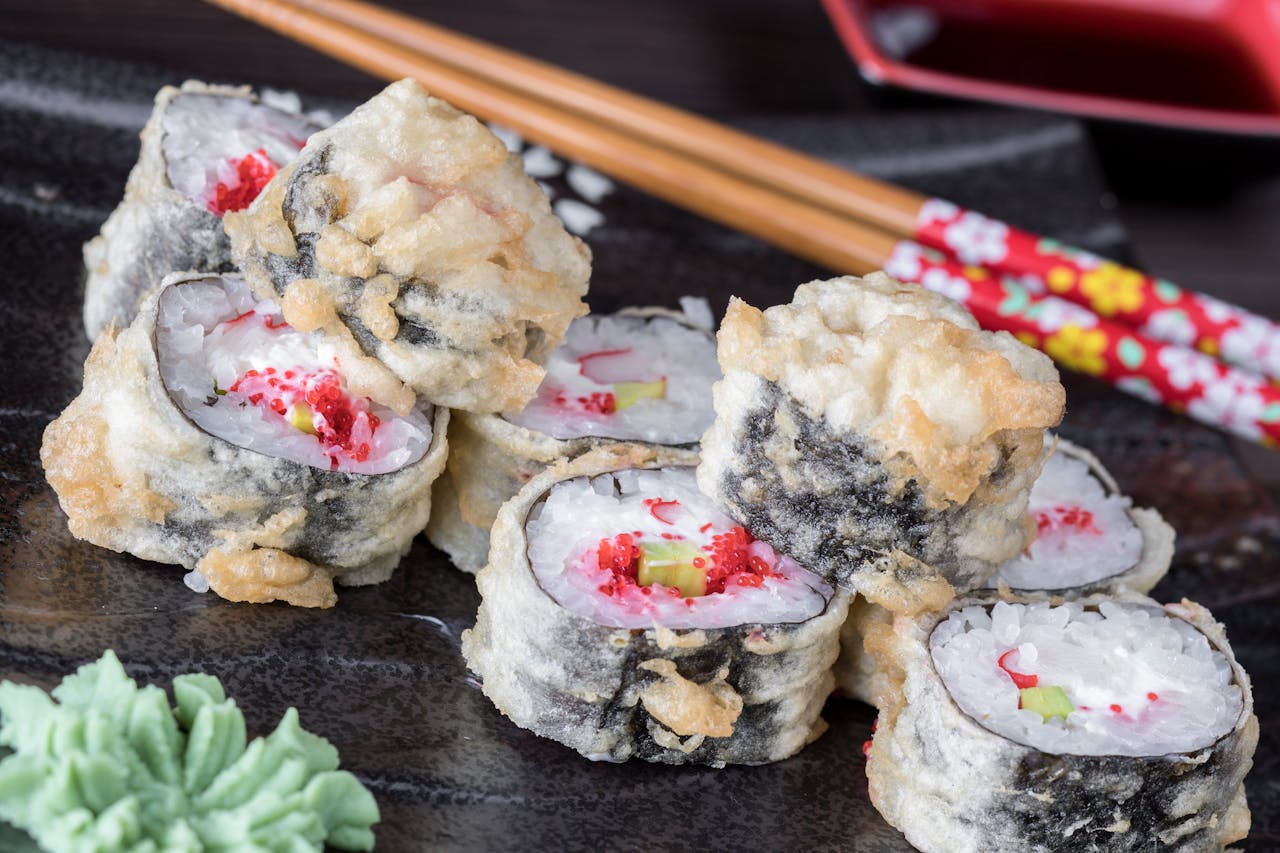
Tempura is often thought of as quintessentially Japanese, yet its beginnings reveal a story shaped by global movement, adaptation, and restraint. In the mid sixteenth century, Portuguese missionaries and traders arrived in the port city of Nagasaki, bringing with them European cooking techniques unfamiliar to Japan at the time. Among these methods was batter frying, commonly used by Catholics during periods of abstinence from meat. These fasting days were known as tempora in Latin, a word widely believed to be the root of the term tempura.
The Portuguese method involved coating fish or vegetables in a simple batter and frying them in oil, producing food that was filling yet suitable for religious observance. Japanese cooks quickly recognized the appeal of this technique but adapted it to local tastes and ingredients. Instead of heavy batters and olive oil, they refined the approach using wheat flour, cold water, and occasionally sake. The goal shifted from richness to delicacy. Frying became faster, batters became thinner, and the emphasis moved toward preserving the natural flavor and texture of the ingredients inside.
By the Edo period, which lasted from 1603 to 1868, tempura had become a popular street food in Edo, now Tokyo. Vendors fried seafood freshly caught from nearby waters and seasonal vegetables sourced from local farms. These stalls served tempura quickly to passersby, establishing the dish as an accessible luxury. While its origins were foreign, tempura had by then been fully absorbed into Japanese culinary identity, shaped by values of seasonality, balance, and precision.
What distinguishes tempura from other fried foods is not the act of frying itself, but the discipline surrounding it. Traditional tempura batter is intentionally under mixed. Flour is combined with ice cold water and sometimes egg, stirred only a few times to prevent gluten development. Lumps are not only acceptable but desirable. This loose structure creates a batter that fries into a crisp, airy coating rather than a dense crust.
Temperature control is essential. The oil must be hot enough to immediately set the batter but not so hot that it browns before the interior cooks. Many tempura chefs rely on subtle visual cues rather than thermometers, watching how droplets of batter behave when introduced to the oil. Ingredients are fried in a specific order, starting with lighter vegetables and finishing with seafood, ensuring clarity of flavor and cleanliness of oil.
Equally important is ingredient preparation. Vegetables are sliced to expose maximum surface area without overwhelming the batter. Shrimp are cleaned and lightly scored to prevent curling. Moisture is carefully removed so the batter adheres properly. Once fried, tempura is drained briefly and served immediately. The window of perfection is short. Tempura is meant to be eaten moments after leaving the oil, when the contrast between crisp exterior and tender interior is at its peak.
Traditional accompaniments reflect this philosophy of balance. Tempura is often served with tentsuyu, a dipping sauce made from dashi, soy sauce, and mirin, diluted to avoid overpowering the food. Grated daikon radish adds freshness and cuts through oil. Salt is sometimes offered instead of sauce, particularly for delicate vegetables. These elements exist to support the ingredient, not distract from it.
National Tempura Day on January 7 provides an opportunity to look beyond tempura as a menu item and consider it as a culinary discipline shaped by intention and restraint. The holiday invites diners to slow down and appreciate how much care goes into something that appears so simple. Unlike heavily seasoned fried foods, tempura relies on timing, texture, and respect for ingredients.
For home cooks, the day serves as an invitation to try the technique themselves. While tempura has a reputation for difficulty, its fundamentals are accessible with practice. Keeping batter cold, oil hot, and movements minimal are often more important than specialized tools. Seasonal vegetables such as sweet potato, kabocha squash, green beans, mushrooms, and zucchini are forgiving starting points. Seafood like shrimp or scallops offers a chance to experience the classic expression of the dish.
National Tempura Day also highlights how the technique continues to evolve. Modern chefs apply tempura batter to unexpected ingredients such as herbs, edible flowers, fruit, and even soft cheeses. Tempura appears not only as a standalone dish, but layered into bowls of soba or udon, served alongside rice, or incorporated into contemporary tasting menus. Despite these innovations, the guiding principle remains unchanged. The batter exists to protect and elevate what lies beneath it.
Tempura stands as a reminder that culinary excellence does not require complexity. It requires attention, patience, and an understanding of cause and effect. Each bite captures a fleeting moment where texture and temperature align perfectly. On National Tempura Day, enjoying that moment is the celebration itself.
