National Veggie Month
March 1, 2027

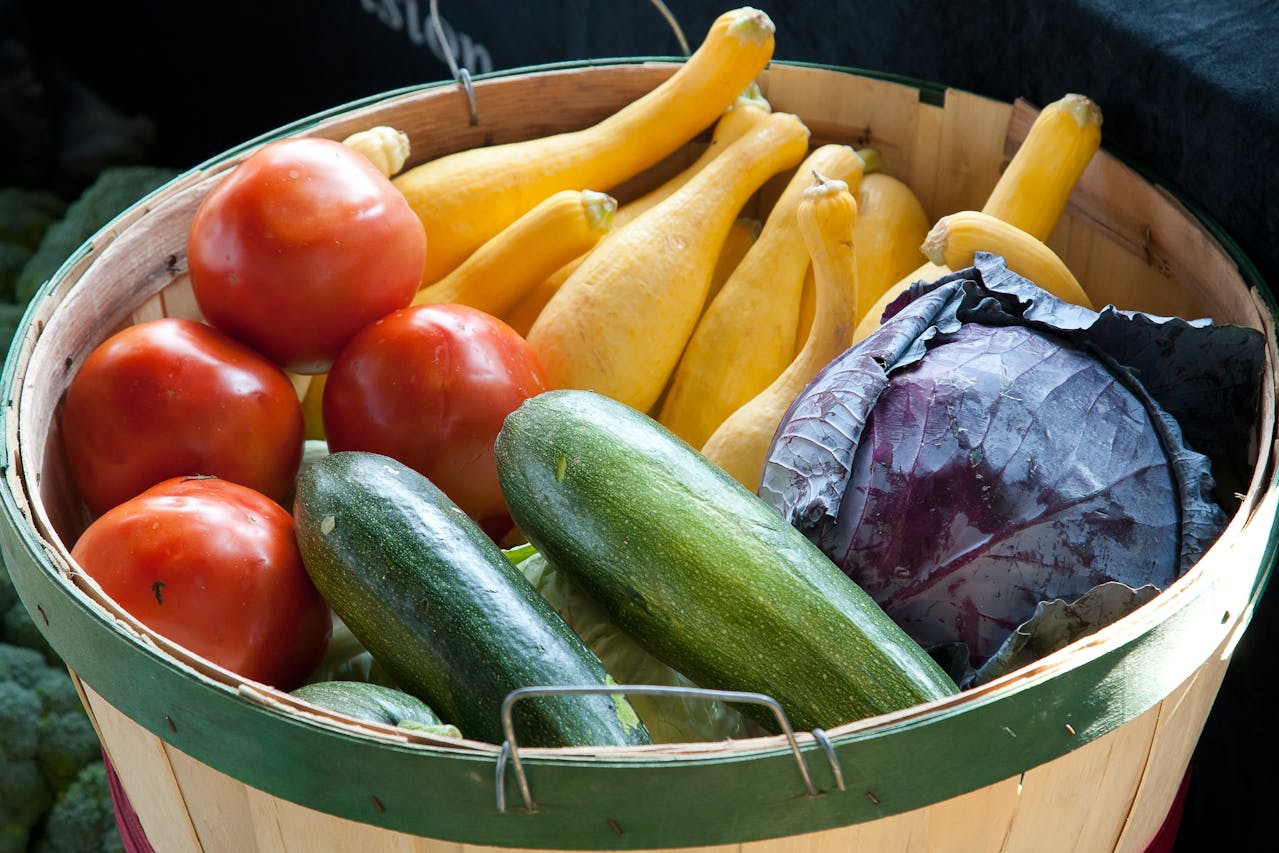
Veggie Month is observed in March and celebrates vegetables as the foundation of seasonal eating, agricultural diversity, and culinary technique. Veggie Month recognizes that vegetables are not supporting characters. They are the core of many cuisines, the main drivers of texture and aroma in countless dishes, and the most direct way people experience local soil, climate, and harvest timing.
Vegetables have been central to human diets since the earliest forms of agriculture. While grains provided storable calories, vegetables provided micronutrients, variety, and fresh flavor structures. Many vegetable categories emerged through domestication and selective breeding that favored sweetness, tenderness, storage ability, and yield. Carrots, for example, shifted in color and sweetness through centuries of breeding. Brassicas diversified into cabbage, kale, broccoli, and cauliflower through selection of different plant traits.
The ingredient microhistory that makes vegetables meaningful is not a single ingredient, but the evolution of cultivation and storage methods. Root cellars, pickling, fermentation, and later refrigeration allowed vegetables to survive beyond harvest windows. This transformed vegetables from seasonal bursts into year-round staples in many regions.
Migration and trade expanded vegetable repertoires. New World crops such as tomatoes, peppers, and potatoes traveled across oceans and reshaped cuisines on multiple continents. The adoption was not instant. It involved cultural negotiation, religious debates, and gradual integration into local farming. Over time, these crops became so embedded that their foreign origin is often forgotten.
Technological inflection points changed vegetable availability and taste. Industrial fertilizer and irrigation expanded yields. Greenhouse agriculture enabled winter production. Cold chain logistics made delicate vegetables accessible far from farms. These changes increased variety but also introduced new concerns about soil health, labor systems, and environmental costs.
Veggie Month reflects the full story: vegetables as ancient domesticated foods, as global travelers, and as modern commodities shaped by technology and economic policy.
Veggie Month highlights how vegetables encode culture. Many cuisines are built around vegetable techniques: stir-frying with aromatics, slow braising, pickling, fermenting, roasting, or grilling. Vegetables carry regional identity because they reflect what grows locally and how people learned to preserve it through winter or drought.
Agriculture is the backbone. Vegetable farming often requires intensive labor, careful irrigation, and rapid distribution because many vegetables are perishable. Leafy greens, for example, have short shelf lives and depend on cold chain speed. Root vegetables store longer and historically served as winter anchors. Veggie Month is therefore also a lesson in perishability and storage strategy.
Economic structures differ by crop. High-value vegetables like specialty greens can support small farms near cities, while commodity vegetables are produced at massive scale in regions with irrigation infrastructure. This affects pricing, labor demand, and regional economies. Crop diversity can increase resilience for farms by spreading risk across multiple harvests.
Regional comparisons show how vegetables solve similar needs differently. In Mediterranean climates, vegetables often appear as grilled or olive oil-based preparations emphasizing sweetness from sun exposure. In colder climates, preserved vegetables like sauerkraut or pickled roots historically carried nutrition through winter. In East Asian cuisines, fermentation and quick-cooking methods preserve brightness and texture.
A misconception worth clarifying is that vegetables are nutritionally uniform. Nutrient density varies widely by species, soil health, and freshness. Another misconception is that frozen vegetables are always inferior. Many frozen vegetables are processed quickly after harvest, preserving nutrients effectively. Veggie Month can acknowledge the spectrum of forms vegetables take without turning into dietary instruction.
Sensory anthropology explains why vegetables matter beyond health narratives. Vegetables provide bitterness, sweetness, crunch, and aromatic complexity that make meals feel complete. They create contrast against fats and starches. Veggie Month honors vegetables as flavor architecture, not merely wellness symbols.
Ancient era: Early domestication of diverse plants alongside grain agriculture builds the first stable vegetable systems.
Classical and medieval periods: Preservation methods like pickling and fermentation extend vegetable availability through seasonal scarcity.
16th to 18th centuries: New World crops such as tomatoes and peppers spread globally and reshape cuisines over time.
19th century: Urbanization increases demand for market gardening and more organized distribution of fresh produce.
20th century: Refrigeration, industrial agriculture, and global trade expand year-round vegetable access.
Late 20th to 21st century: Greenhouses, controlled environment agriculture, and cold chain optimization increase variety and stability.
Present day: Sustainability concerns emphasize soil health, water use, labor systems, and reduced waste across vegetable supply chains.
Veggie Month matters today because vegetables sit at the center of two modern pressures: the demand for year-round variety and the need for sustainable agriculture. Vegetables require water, labor, and rapid distribution, making them sensitive to climate volatility and supply chain disruption.
Modern cooking trends have also shifted vegetables from side dishes to center-stage preparations. Techniques like high-heat roasting, charring, and fermentation highlight vegetables as primary flavor experiences rather than supporting elements. This is a cultural shift in how meals are structured.
From a sensory perspective, vegetables teach people to value complexity beyond sweetness and fat. Bitterness in greens, sulfur aromatics in alliums, and umami in mushrooms expand the palate. Veggie Month can be framed as appreciation of these sensory dimensions rather than moral obligation.
Misconceptions persist that vegetables must be fresh to be worthwhile. In reality, preservation methods such as freezing and fermentation can maintain quality and even create new flavors. Veggie Month provides a context for understanding vegetables as a category that includes fresh, preserved, and transformed forms.
Economic resilience remains a practical theme. Crop diversity helps farms adapt to changing weather and market volatility. Household reliance on seasonal and stored vegetables can also reduce exposure to price spikes in fresh produce.
Veggie Month matters because it honors vegetables as the most direct expression of agriculture on the plate, linking soil, climate, technology, and cultural tradition into everyday eating.

