National Volunteer Blood Donor Month
January 1, 2028

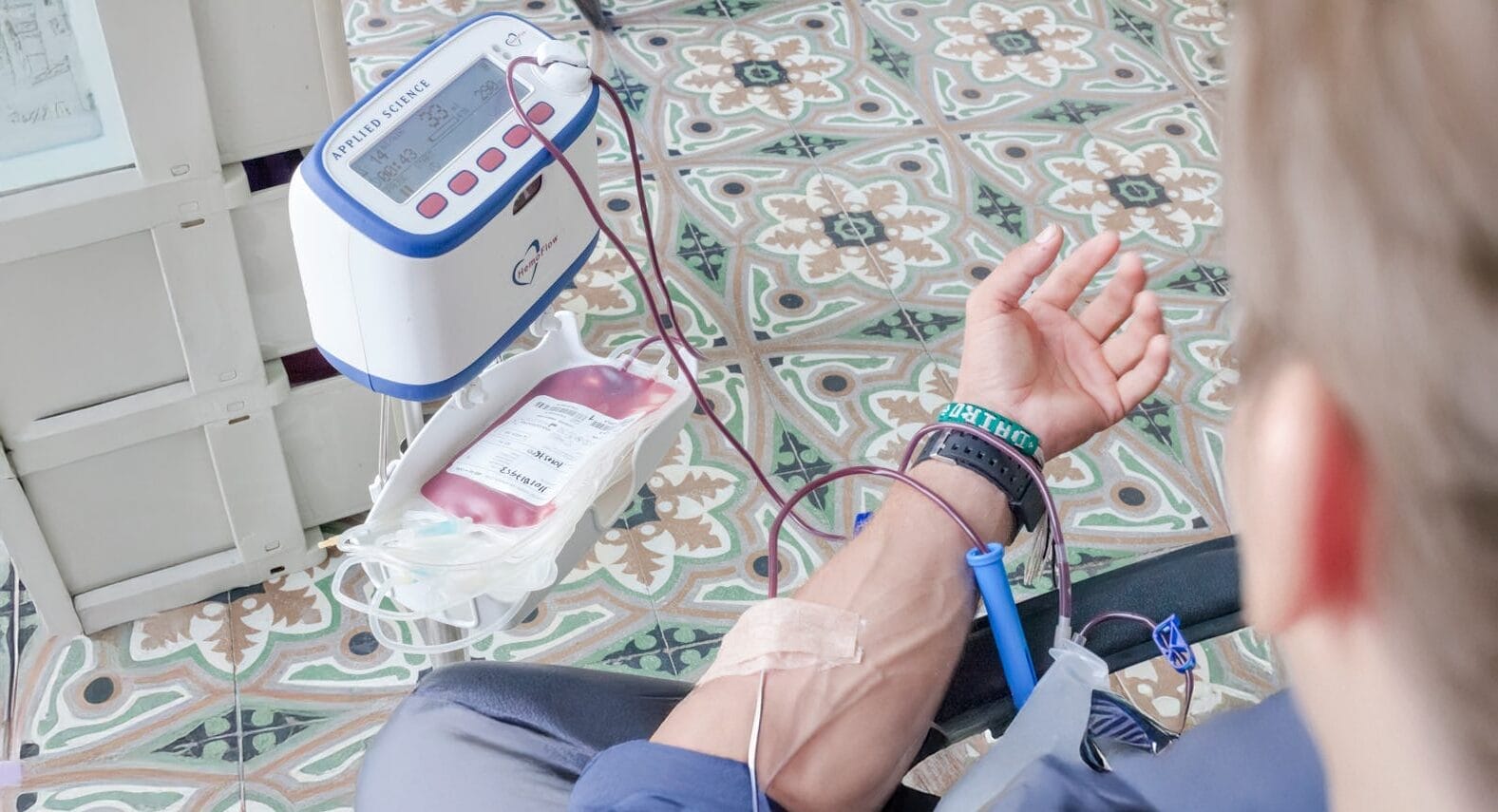
National Volunteer Blood Donor Month is observed annually in January and was established to recognize the importance of voluntary blood donation to public health systems. The observance emerged alongside the modernization of blood banking during the twentieth century, when medical advances made transfusion a routine and life-saving procedure.
Before the development of reliable blood storage and typing methods, transfusions were risky and limited. Scientific breakthroughs during the early twentieth century, including blood group identification and anticoagulants, enabled blood to be collected, stored, and transported safely. These advances transformed blood donation from an emergency act into a coordinated public health practice.
Volunteer donation became the preferred model as ethical concerns arose around paid blood collection. Public health organizations recognized that voluntary donors reduced the risk of disease transmission and promoted equitable access to care. National Volunteer Blood Donor Month developed to reinforce this model and encourage participation.
The observance reflects the evolution of blood donation from experimental medicine to collective responsibility.
Blood donation is essential to modern healthcare. Transfusions support surgeries, trauma care, cancer treatment, childbirth, and management of chronic conditions. Because blood cannot be manufactured, donation remains the sole source.
Volunteer-based systems rely on trust, education, and consistent participation. National Volunteer Blood Donor Month highlights how individual contributions sustain institutional capacity. The reliability of supply depends not on emergency response alone, but on routine, preventive engagement.
Socially, blood donation reflects collective interdependence. Donors rarely know who receives their blood, reinforcing the idea of anonymous care. The observance emphasizes this ethical dimension, framing donation as a civic act rather than a transactional exchange.
The month also acknowledges barriers to donation, including health eligibility, access, and historical mistrust, encouraging inclusive and transparent practices.
National Volunteer Blood Donor Month remains relevant because demand for blood is constant while supply fluctuates. Seasonal shortages, public health crises, and demographic changes continue to challenge collection systems.
The observance promotes sustained awareness rather than episodic response. It encourages long-term donor engagement and public understanding of how healthcare systems function.
It also highlights the need for innovation in recruitment, retention, and safety, particularly as populations age and medical demand increases.
National Volunteer Blood Donor Month matters because it affirms that life-saving care depends on voluntary participation and shared responsibility.