National Whipped Cream Day
January 5, 2030

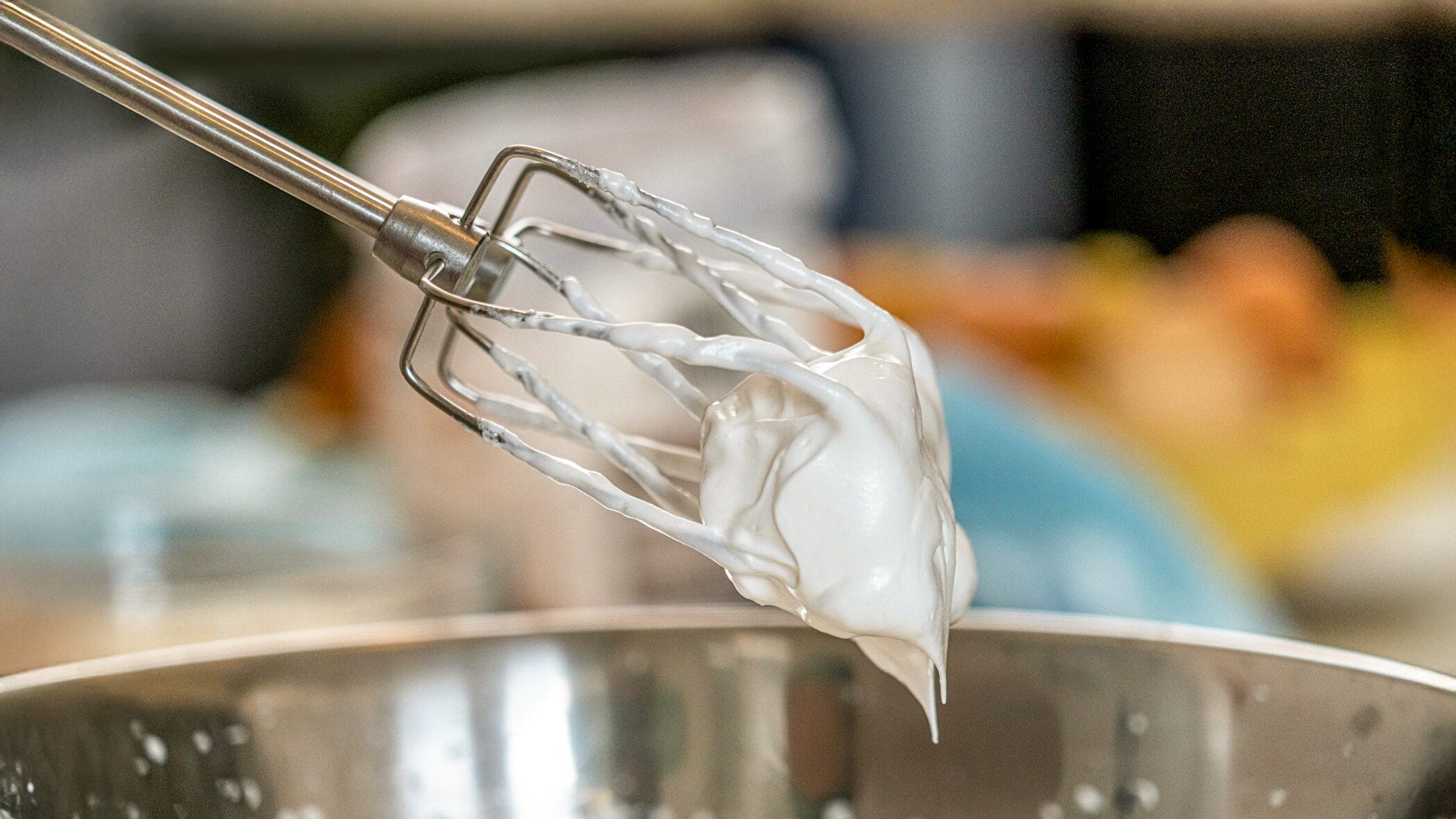
Whipped cream feels effortless today, but its story begins centuries ago in the kitchens of Renaissance Europe. In 16th-century Italy, cooks discovered that vigorously beating chilled cream transformed it into something airy and luxurious. They called it latte di neve — “milk of snow” — a name that captured both its texture and its novelty. This was a time when sugar and cream were precious ingredients, so whipped cream appeared mainly at banquets and celebrations.
The technique spread north to France, where it became known as crème fouettée. By the 17th century, whipped cream had secured a place in aristocratic cuisine, crowning pastries, fruit desserts and custards at royal tables. Early versions were often subtly flavored with rosewater, orange blossom or vanilla, reflecting the era’s fascination with perfumed sweets.
What looks like culinary magic is actually a delicate bit of food science. Heavy cream contains fat suspended in liquid. When the cream is cold and agitated, the fat molecules partially clump together, trapping air and forming a stable foam. Too little whipping and the cream stays loose; too much and the structure collapses into butter. The sweet spot — soft or stiff peaks — depends on timing, temperature and patience.
This balance explains why chilled bowls and beaters matter, and why whipped cream tastes so rich despite its lightness. The air incorporated during whipping enhances aroma and mouthfeel, making flavors seem more pronounced without adding extra sweetness.
For centuries, whipped cream required stamina and skill. Cooks used whisks made from bundled twigs or wire, beating cream by hand. The 19th century changed everything. Mechanical rotary beaters brought whipped cream into home kitchens, transforming it from a symbol of wealth into an attainable pleasure.
In 1948, American inventor Aaron Lapin introduced Reddi-wip, packaging sweetened cream in an aerosol can powered by nitrous oxide. With a press of a nozzle, whipped cream became instant. While purists still favor hand-whipped cream, the invention reshaped how Americans used whipped cream — not just for desserts, but for drinks, snacks and spontaneous treats.
Despite modern conveniences, freshly whipped cream remains unmatched. Its flavor is clean and dairy-forward, its texture supple rather than spongy. It elevates simple foods: a spoonful melting into hot cocoa, a cloud resting on pumpkin pie, or a soft mound cradling fresh berries.
Whipped cream is also endlessly adaptable. It can be lightly sweetened or barely sweet at all. Cooks fold it into mousses, frost cakes with it, or stabilize it with mascarpone or yogurt for longer-lasting structure. Flavorings range from vanilla and citrus zest to espresso, bourbon or cocoa powder.
National Whipped Cream Day on January 5 is an invitation to slow down and make it the old-fashioned way. Pour cold cream into a bowl, add a touch of sugar if you like, and whisk until soft peaks form. Notice the transformation — the thickening, the lightening, the way the cream holds its shape.
Whipped cream reminds us that small, simple techniques can have outsized impact. With nothing more than cream and air, you create something celebratory. On this day, take the extra minute to whip it yourself and enjoy the richness, history and quiet satisfaction tucked into every spoonful.
