National Whole Grain Sampling Day
March 25, 2026

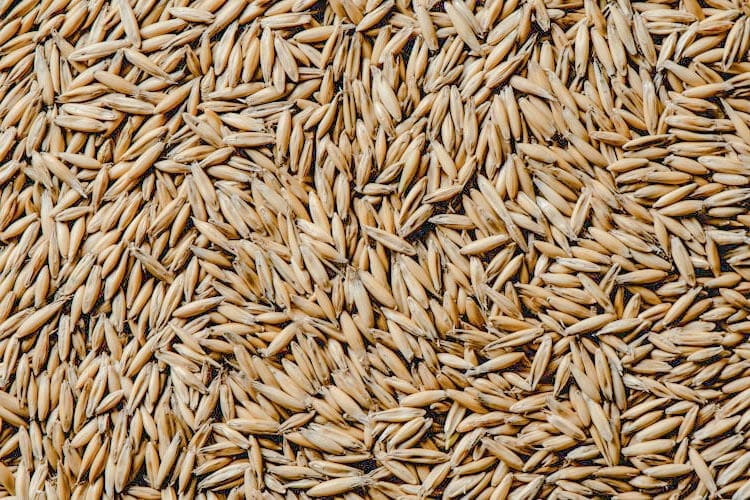
National Whole Grain Sampling Day is observed annually on March 31st throughout the United States, serving as both an educational initiative and public health campaign promoting whole grain consumption and awareness. This food observance encourages individuals, schools, restaurants, and food service operations to offer samplings of whole grain products, demonstrating that nutritious eating can be delicious and accessible. Unlike purely celebratory food holidays, National Whole Grain Sampling Day carries explicit health promotion goals, addressing the significant gap between recommended and actual whole grain consumption among Americans. The observance is organized by the Whole Grains Council, a nonprofit consumer advocacy group working to increase whole grain consumption for better public health outcomes. While primarily recognized in the United States, the principles it promotes have global relevance as refined grain consumption contributes to diet-related diseases worldwide. The timing in late March positions the observance near the end of National Nutrition Month, reinforcing messages about healthy eating and informed food choices. Whether through workplace cafeteria samplings, school lunch programs, grocery store demonstrations, or home cooking experiments, National Whole Grain Sampling Day invites participants to discover or rediscover whole grains’ nutritional benefits and culinary versatility.
Understanding National Whole Grain Sampling Day requires examining why such an observance became necessary, a story rooted in industrialization’s transformation of grain processing. For most of human agricultural history, spanning roughly 10,000 years, people consumed grains in their whole form or as minimally processed products that retained the bran, germ, and endosperm. Ancient Egyptians, Romans, and medieval Europeans ate whole grain breads and porridges by default, not by choice. The technology and economic incentive to remove bran and germ simply didn’t exist on any meaningful scale.
The Industrial Revolution’s application to food processing changed everything. Steel roller mills, introduced in the 1870s and refined through the 1880s, efficiently separated wheat kernels into component parts, removing the oil-rich germ and fiber-rich bran while retaining the starchy white endosperm. This refined white flour offered several advantages from a commercial perspective. It possessed longer shelf life since removing the germ eliminated oils that could turn rancid. It produced lighter, more delicate baked goods that consumers found appealing. It milled more efficiently and commanded higher prices, making refined flour more profitable than whole grain alternatives.
White bread became a status symbol in the late 19th and early 20th centuries, associated with refinement, modernity, and upward mobility. Darker whole grain breads were stigmatized as peasant food or signs of poverty. This cultural shift had devastating nutritional consequences. The bran and germ removed during refining contain most of grain’s vitamins, minerals, fiber, and beneficial plant compounds. Populations heavily dependent on refined grains began showing vitamin deficiency diseases like beriberi and pellagra. Public health officials gradually recognized the connection between refined grain consumption and nutritional deficiencies, leading to mandatory fortification programs beginning in the 1940s that added back some, but not all, of the nutrients lost during refining.
The nutrition science revolution of the mid-to-late 20th century revealed whole grains’ importance beyond basic vitamin content. Researchers discovered that whole grain fiber improves digestive health, moderates blood sugar response, reduces cardiovascular disease risk, and may help prevent certain cancers. Epidemiological studies consistently showed populations consuming more whole grains experienced better health outcomes across multiple disease categories. The dietary fiber in whole grains proved particularly important, as Americans’ fiber intake had plummeted with the widespread adoption of refined grains, contributing to rising rates of diabetes, heart disease, and obesity.
Despite mounting scientific evidence supporting whole grain consumption, actual dietary patterns changed slowly. The 2015 Dietary Guidelines for Americans recommended that at least half of all grain consumption should come from whole grains, yet average American intake remained far below this target. Most Americans consumed less than one serving of whole grains daily, while simultaneously exceeding recommendations for refined grains. This persistent gap between knowledge and behavior motivated advocacy groups like the Whole Grains Council to create educational initiatives, including National Whole Grain Sampling Day, designed to overcome barriers to whole grain adoption through direct experience and taste-testing.
The modern whole grain movement’s timeline traces shifting nutritional understanding and public health advocacy. In the 1870s and 1880s, steel roller mills revolutionized grain processing, making refined white flour economically viable at mass scale and beginning the displacement of whole grains from American diets. By the early 1900s, refined grains dominated American consumption, particularly among urban populations, while whole grains remained common only in rural areas and among poorer populations unable to afford refined alternatives.
Recognition of nutritional problems emerged in the 1920s and 1930s as public health researchers documented vitamin deficiency diseases linked to refined grain consumption. The 1940s brought mandatory fortification programs, with the government requiring addition of thiamin, riboflavin, niacin, and iron to refined flour and bread. While fortification addressed acute deficiency diseases, it didn’t replace the full nutritional profile of whole grains, including fiber and numerous phytonutrients.
The Whole Grains Council formed in 2003 as a nonprofit organization dedicated to increasing whole grain consumption through education, advocacy, and industry collaboration. The Council created the Whole Grain Stamp, a packaging symbol helping consumers identify whole grain products, which appeared on thousands of products and became widely recognized. In 2005, the Whole Grains Council established National Whole Grain Sampling Day, choosing March 31st to coincide with the end of National Nutrition Month and provide a specific action-oriented event that complemented broader nutrition education efforts.
The observance gained traction throughout the late 2000s and 2010s as schools, hospitals, corporate cafeterias, and food manufacturers embraced the sampling concept. Each year, participating organizations register with the Whole Grains Council and receive promotional materials, recipe ideas, and educational resources supporting their sampling events. The initiative expanded internationally, with adaptations appearing in other countries facing similar challenges around refined grain overconsumption and inadequate whole grain intake.
National Whole Grain Sampling Day matters because it addresses a significant public health problem through direct, experiential education rather than abstract recommendations. Most Americans know they should eat more whole grains, yet fail to do so because of perceived taste concerns, unfamiliarity with preparation methods, or simple habit. Sampling events remove these barriers by providing low-risk opportunities to try whole grain products in appealing preparations that challenge assumptions about whole grains being bland, heavy, or difficult to enjoy. When someone tastes delicious whole grain muffins, flavorful farro salad, or hearty quinoa bowls, abstract nutritional advice becomes concrete, positive experience.
The observance also serves critical educational functions, teaching participants how to identify whole grain products in grocery stores and understand food labels. Many consumers don’t realize that brown color doesn’t guarantee whole grain content, or that terms like “multigrain” and “wheat bread” may describe refined products. The Whole Grain Stamp provides reliable identification, but consumers need education to use it effectively. National Whole Grain Sampling Day creates teachable moments where nutrition educators can explain these distinctions, empowering consumers to make informed choices beyond the sampling event itself.
From a public health economics perspective, increasing whole grain consumption represents a cost-effective intervention with significant potential impact. Whole grains help prevent and manage chronic diseases including type 2 diabetes, cardiovascular disease, and certain cancers, conditions that impose enormous economic burdens on healthcare systems and reduce quality of life for millions. If National Whole Grain Sampling Day and similar initiatives successfully shift dietary patterns toward recommended whole grain intake, the resulting health improvements and healthcare cost reductions would far exceed program costs. This makes the observance not just a feel-good event but a legitimate public health strategy.
The holiday also supports agricultural diversity and sustainable farming practices. Increased demand for whole grains creates markets for heritage grain varieties and encourages farmers to grow diverse crops beyond commodity corn and refined wheat. Ancient and heritage grains like farro, spelt, Kamut, and einkorn offer nutritional diversity and often thrive in conditions unsuitable for modern commodity wheat varieties. Supporting these grains preserves agricultural biodiversity and provides economic opportunities for small and medium-sized farmers seeking alternatives to industrial commodity production.
Finally, National Whole Grain Sampling Day matters because it demonstrates how institutional change can support individual health improvements. When schools, hospitals, corporate cafeterias, and food manufacturers commit to offering and promoting whole grain options, they make healthy choices easier and more accessible. Individual motivation matters, but food environment shapes behavior powerfully. Creating systems where whole grain products are available, appealing, and normalized supports sustained dietary change in ways that individual education alone cannot achieve. National Whole Grain Sampling Day on March 31st thus represents both an annual awareness event and an ongoing strategy for building healthier food systems that make nutritious eating the easy, default choice rather than a difficult commitment requiring constant willpower and specialized knowledge.
