National Yorkshire Pudding Day
October 13, 2025

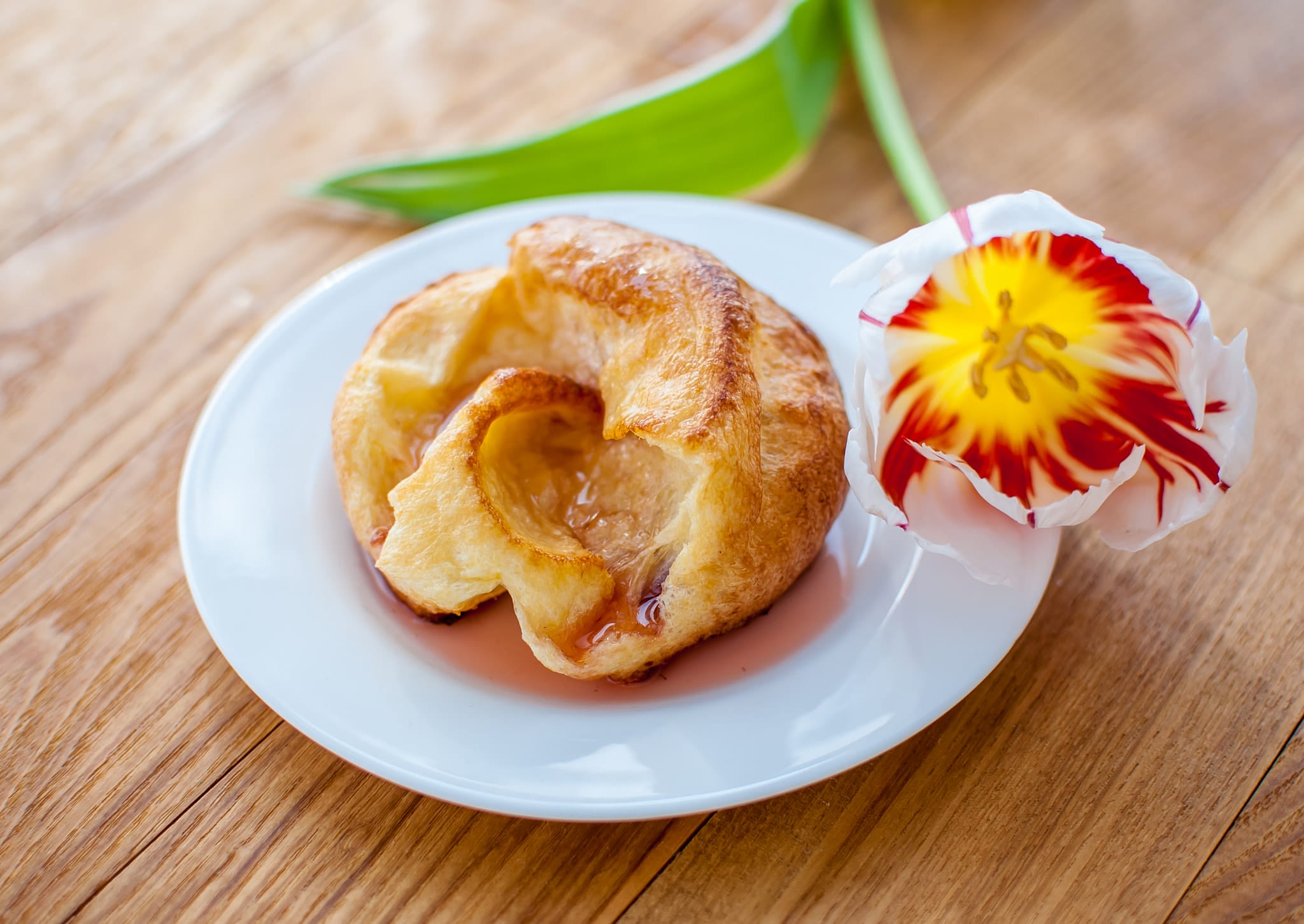
In the United Kingdom, Yorkshire pudding is synonymous with roast beef and Sunday lunch. In the United States, however, the word “pudding” usually conjures dessert—until people discover this savory, puffy batter cooked in drippings.
National Yorkshire Pudding Day in the U.S., observed on October 13, encourages Americans to embrace this British staple and make it their own. Crisp on the outside and tender within, Yorkshire pudding transforms simple ingredients into something worthy of a feast.
The origins of Yorkshire pudding date back to the 1730s. The earliest known recipe, called “dripping pudding,” appeared in a 1737 British cookbook, instructing cooks to place a pan of batter beneath a roasting joint of meat so the fat and juices would drip down, causing the batter to puff and crisp.
In 1747, Hannah Glasse’s influential The Art of Cookery Made Plain and Easy popularized the dish and gave it the name “Yorkshire pudding.” The title likely honors the region of northern England famed for its high-quality wheat and the coal ovens that produced the intense heat needed for a perfect rise.
For centuries, Yorkshire pudding was both a thrifty and hearty dish. In some homes, it was served before the roast with gravy to fill diners up; in others, leftovers became dessert, eaten cold with jam or treacle.
Today, British families still bake individual puddings in muffin tins or one large one in a roasting pan, serving them alongside beef, gravy, and roasted vegetables. The outside crisps, the inside stays airy and soft—ideal for soaking up savory juices.
Its versatility continues to inspire: Yorkshire puddings serve as bowls for stews, vehicles for sausages in toad in the hole, or even as sweet treats filled with berries and cream.
National Yorkshire Pudding Day in the U.S. is relatively young, with early online mentions appearing in the mid-2010s. Its mission is simple—to share the joy of this dish with new audiences.
Making Yorkshire pudding requires only eggs, flour, milk, and fat, yet it demands precision. The batter should rest to relax gluten, the fat must be smoking hot, and the oven needs to be blisteringly high in temperature. When poured into the pan, the batter sizzles and climbs, forming tall, hollow pastries that deflate slightly as they cool.
Watching them rise through the oven glass is part of the pleasure, as anticipation builds along with the aroma.
This holiday is about more than just cooking—it’s about understanding how food travels, evolves, and bridges cultures. Yorkshire pudding connects English roasts and American kitchens, reminding us that tradition can be shared and adapted.
A dish born from thrift and practicality has become a symbol of comfort and celebration, proving that simple ingredients—flour, eggs, milk, and fat—can become something remarkable with care and heat.