National Zinfandel Day
November 17, 2027

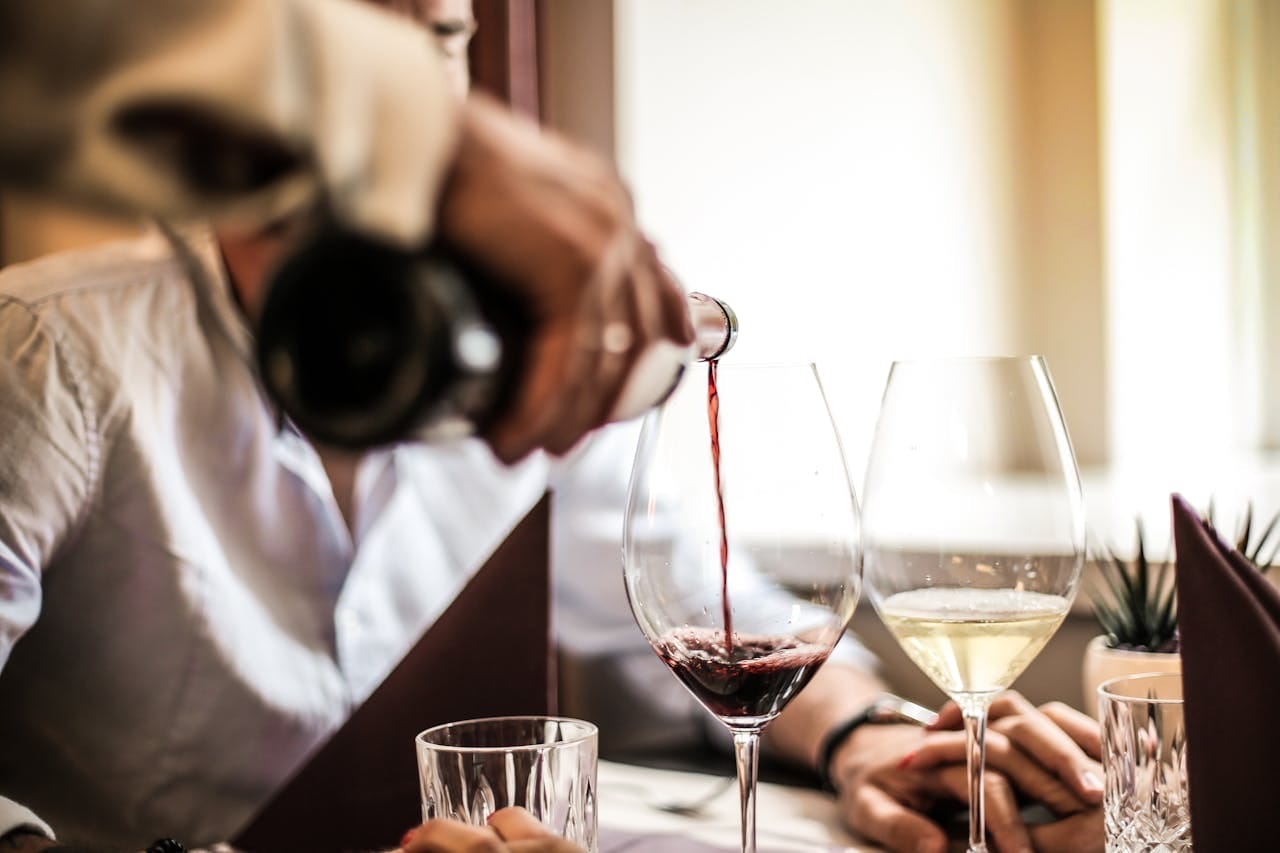
Wine lovers sometimes speak of Zinfandel as though it were a person—a charismatic rogue with an adventurous past who somehow became a pillar of American culture. National Zinfandel Day, held on the third Wednesday of November, offers a chance to uncork that story alongside a good bottle and reflect on how a once-mysterious grape became known as “America’s heritage wine.” Its journey spans continents and centuries, from medieval Croatia to modern California, weaving a tale as complex and compelling as the wine itself.
The first chapter of Zinfandel’s story begins not in Napa or Sonoma, but along the Dalmatian coast of Croatia. There, a red grape called Tribidrag—later known as Crljenak Kaštelanski—thrived for centuries, its vines recorded in Venetian trade documents as early as the 1400s. In the 1820s, New York nurseryman George Gibbs imported cuttings from Vienna’s imperial gardens. Among them was a vine labeled “Zinfendal,” which soon became a favorite table grape in Boston’s hothouses. By the early 1850s, Captain Frederick Macondray carried cuttings west to California, planting them in the foothills and valleys of a young state whose Gold Rush towns were hungry for wine.
In California’s warm, sun-drenched climate, Zinfandel thrived. Its vigorous vines required little trellising—a blessing in a land where wood and wire were scarce—and its versatility made it invaluable. Farmers could craft robust reds, lighter claret styles, or even blend it with Petite Sirah and Carignane to create “field blends” full of spice and structure. By the 1880s, Zinfandel was California’s most widely planted grape. When phylloxera devastated vineyards worldwide, growers replanted it on resistant rootstock. Even Prohibition couldn’t kill it; families pressed Zinfandel grapes in their basements, keeping the variety alive through those dry years. Decades later, a happy accident at Sutter Home Winery in the 1970s produced White Zinfandel—a sweet, blush-colored wine that became a phenomenon and helped fund the preservation of old-vine Zinfandel across the state.
For generations, Zinfandel’s origins were a matter of debate. Some claimed it was a native American varietal; others saw its resemblance to Italy’s Primitivo. The mystery was solved in 2001, when DNA researchers at UC Davis and the University of Zagreb confirmed that California Zinfandel, Italian Primitivo, and Croatia’s Tribidrag were genetically identical. The revelation linked California’s vineyards to the Adriatic’s ancient trade routes and seafaring lore, giving the grape a lineage as fascinating as its flavor. What had long seemed purely American turned out to be a global citizen with roots in Old World soil.
Part of Zinfandel’s charm lies in its versatility. In warmer regions like Paso Robles or Lodi, it yields plush, jammy wines bursting with blackberry, plum, and baking spice. In cooler coastal areas, it takes on brambly raspberry, cracked pepper, and earthy undertones. Its adaptability mirrors the people who embraced it—immigrants and innovators who made something uniquely Californian out of Old World vines. Whether aged in oak or enjoyed young, Zinfandel is exuberant, approachable, and full of character—a wine that speaks in bold, generous tones.
The holiday dedicated to Zinfandel was established in 2012 by the advocacy group Zinfandel Advocates & Producers (ZAP) to celebrate the grape’s heritage and diversity. Across the country, wineries and wine lovers mark the occasion with tastings, vineyard tours, and pairings that showcase Zinfandel’s broad appeal. A visit to an old-vine vineyard in Sonoma or Lodi reveals gnarled, knotted trunks planted more than a century ago, still yielding fruit with remarkable intensity. The wine pairs beautifully with barbecued ribs, eggplant Parmigiana, or a simple slice of pepperoni pizza—proof that sophistication need not be pretentious.
Raising a glass on National Zinfandel Day is more than a toast to a grape—it’s a celebration of resilience, discovery, and craftsmanship. Behind every bottle lies a voyage across oceans, the ingenuity of growers, and generations of stories entwined in the vines. Whether you sip it under the California sun or by candlelight on a cold November night, Zinfandel embodies the best of the American spirit: bold, welcoming, and beautifully complex. To drink it is to taste history—and to savor how far a humble grape can travel.