Paczki Day
February 12, 2026

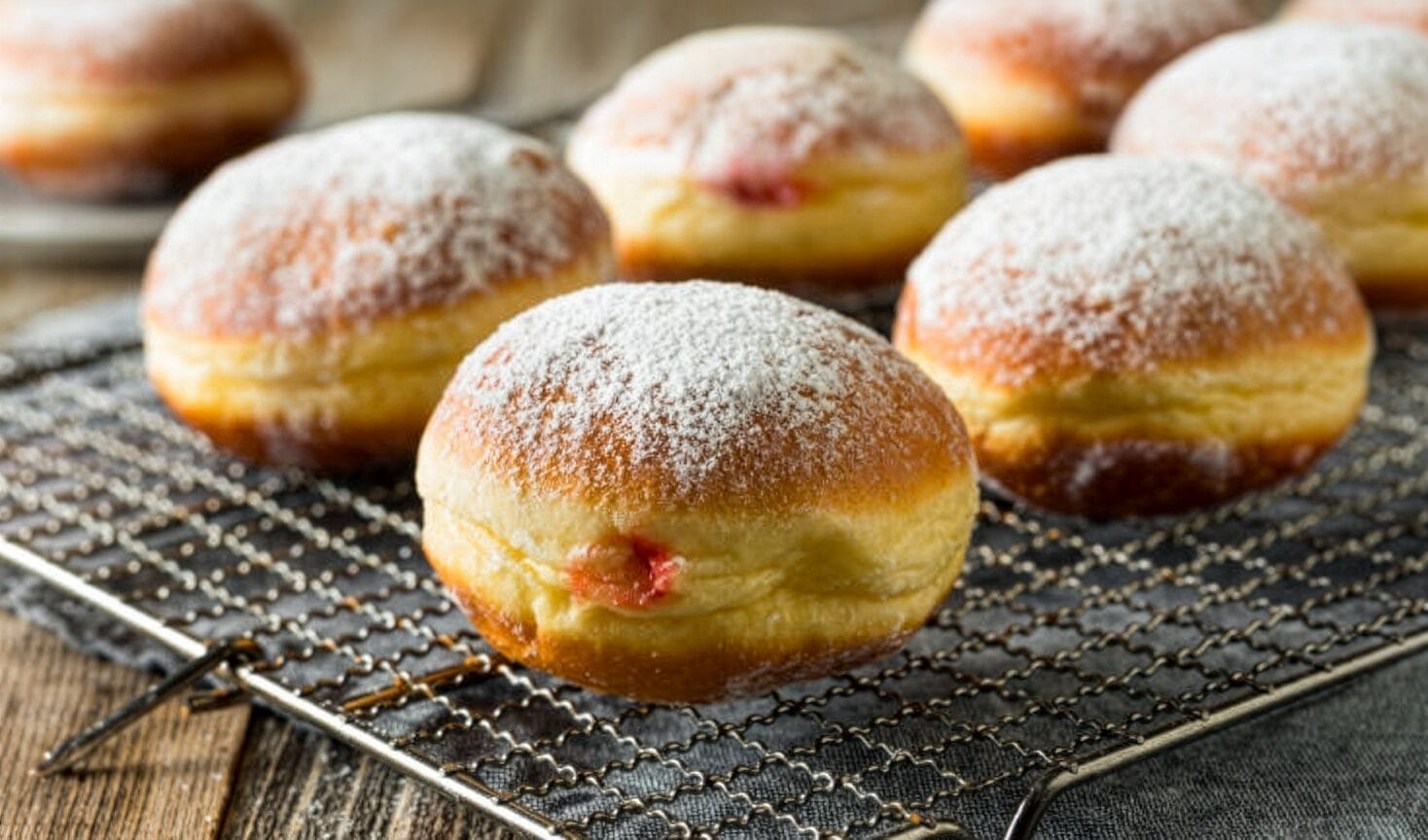
Paczki Day is observed annually on the Tuesday preceding Ash Wednesday and centers on a filled doughnut originating in Poland. Paczki developed as a practical and symbolic food tied to the Christian liturgical calendar and seasonal consumption.
Historically, paczki were made from enriched dough containing eggs, sugar, butter, and lard. These ingredients were intentionally used up before the beginning of Lent, a period traditionally marked by fasting and restraint. Paczki allowed households to consume perishable and rich ingredients rather than waste them.
Early paczki were denser and less sweet than modern versions. They were often filled with preserved fruits or rose jam, which provided both flavor and shelf stability.
The tradition migrated with Polish immigrants during the nineteenth and early twentieth centuries, particularly to industrial regions of the United States. In these communities, paczki became a cultural marker, reinforcing identity and continuity in new environments.
Paczki Day reflects how religious calendars, migration, and domestic economy shaped enduring food traditions.
Paczki are culturally significant because they mark transition. The indulgence of Paczki Day stands in contrast to the restraint that follows, creating a moment of collective participation and shared indulgence.
In Polish and Polish American communities, paczki are not merely desserts but symbols of heritage. Bakeries often prepare them in large quantities, reinforcing communal rhythm and anticipation.
Over time, paczki have expanded beyond ethnic boundaries, becoming part of broader regional food culture in areas with strong Polish influence.
The tradition illustrates how food can maintain cultural identity even as it adapts to new contexts.
Paczki Day highlights how celebration and restraint operate together within food culture.
Paczki Day remains relevant because it preserves a ritual shaped by seasonality and intention rather than convenience.
The observance encourages awareness of how food traditions encode values such as preparation, timing, and communal participation.
In contemporary culture, where indulgence is constant, Paczki Day restores meaning by limiting indulgence to a specific moment.
The day matters because it honors a tradition that uses food to mark time, identity, and transition.